
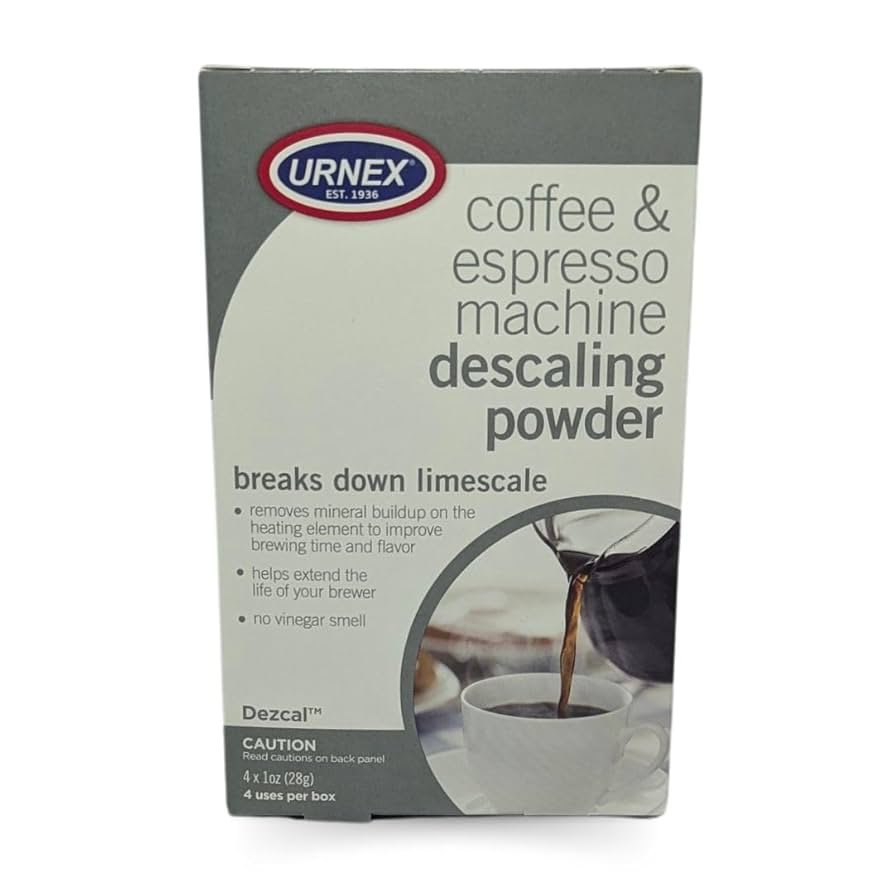
Have you noticed your coffee machine isn’t brewing like it used to? That stubborn buildup, called coffee scale, could be the reason.
If you want your coffee to taste fresh and your machine to last longer, cleaning this scale is a must. You’ll discover simple, effective ways to remove coffee scale from your machine. Keep reading, and you’ll learn how to bring back that perfect cup every time.

Credit: www.goodhousekeeping.com
Why Coffee Scale Forms
Coffee scaleforms because of minerals in water. These minerals build up inside coffee machines over time. Hard water has more minerals like calcium and magnesium. When water heats, minerals stick to machine parts. This creates a layer called scale buildup. It blocks water flow and changes how the machine works.
- Water with minerals is the main source of scale.
- Using tap water often increases buildup fast.
- Old or unclean machines hold more scale.
- Boiling water leaves mineral deposits behind.
Scale affects coffee flavor. It can make coffee taste bitter or dull. Blocked water flow changes extraction. This means coffee tastes weaker or uneven. Cleaning scale regularly keeps coffee fresh and tasty.
Tools Needed For Cleaning
Cleaning coffee scale requires a mix of simple tools like vinegar, water, and a soft cloth. A brush can help remove stubborn residues, ensuring your coffee maker stays in top condition.
Essential Cleaning Supplies
- White vinegaror a commercial descaler for dissolving scale.
- Soft clothsor sponges to wipe surfaces gently.
- Plastic scraperto remove thick scale without scratching.
- Measuring cupfor precise liquid amounts.
- Warm waterto rinse and dilute cleaning agents.
Optional Equipment
- Toothbrushfor scrubbing small or hard-to-reach areas.
- Spray bottleto apply vinegar evenly.
- Rubber glovesto protect hands from chemicals.
- Bucketto catch drips and rinse tools.
Step-by-step Cleaning Process
Before cleaning, unplug your coffee maker and let it cool down. Remove any detachable parts like the carafe and filter basket. Check the water reservoir and empty any leftover water.
Clear out loose debris such as coffee grounds or dust. Use a soft brush or cloth to wipe off any visible dirt inside the machine. This helps the cleaning solution work better.
Use a mixture of equal parts white vinegar and water as a cleaning solution. Pour it into the water reservoir and run a brew cycle without coffee grounds. This helps break down scale and mineral buildup.
Run two or three cycles of plain water through the machine to rinse out vinegar taste. Wipe the outside of the machine with a damp cloth. Let all parts dry completely before reassembling.
Natural Cleaners Vs Commercial Products
Vinegar and baking sodaare common natural cleaners. Vinegar helps dissolve coffee scaleand mineral deposits. Baking soda acts as a gentle scrubber that removes stains without scratching surfaces.
Mix vinegar and water in equal parts. Pour it into the coffee maker or on the scale. Let it sit for 15-20 minutes. Use baking soda with a damp cloth to scrub stubborn spots.
Specialized cleaners are made for coffee machines. They often contain ingredients that remove scale faster. Some are safe for delicate parts and electronics. Check product labels to ensure compatibility with your device.
| Cleaner Type | Advantages | Considerations |
|---|---|---|
| Vinegar & Baking Soda | Natural, inexpensive, easy to find | May leave smell; requires rinsing |
| Specialized Cleaners | Effective, designed for coffee machines | Costs more; check safety for your machine |
Preventing Future Scale Buildup
Keeping a regular cleaning schedulehelps stop scale buildup. Clean your coffee machine at least once a week. Use a soft cloth and mild detergent to wipe all parts. Run a descaling solution or vinegar through the machine monthly. This removes mineral deposits inside.
Good water qualityis key to fewer scale problems. Use filtered or bottled water if possible. Hard water has more minerals that cause scale. Avoid using tap water with high mineral content. This simple change helps your machine last longer.
| Cleaning Tips | Water Quality Tips |
|---|---|
| Clean machine weekly | Use filtered or bottled water |
| Wipe parts with mild detergent | Avoid hard tap water |
| Run descaling solution monthly | Check mineral content in water |

Credit: www.7pandas.com.au
When To Seek Professional Help
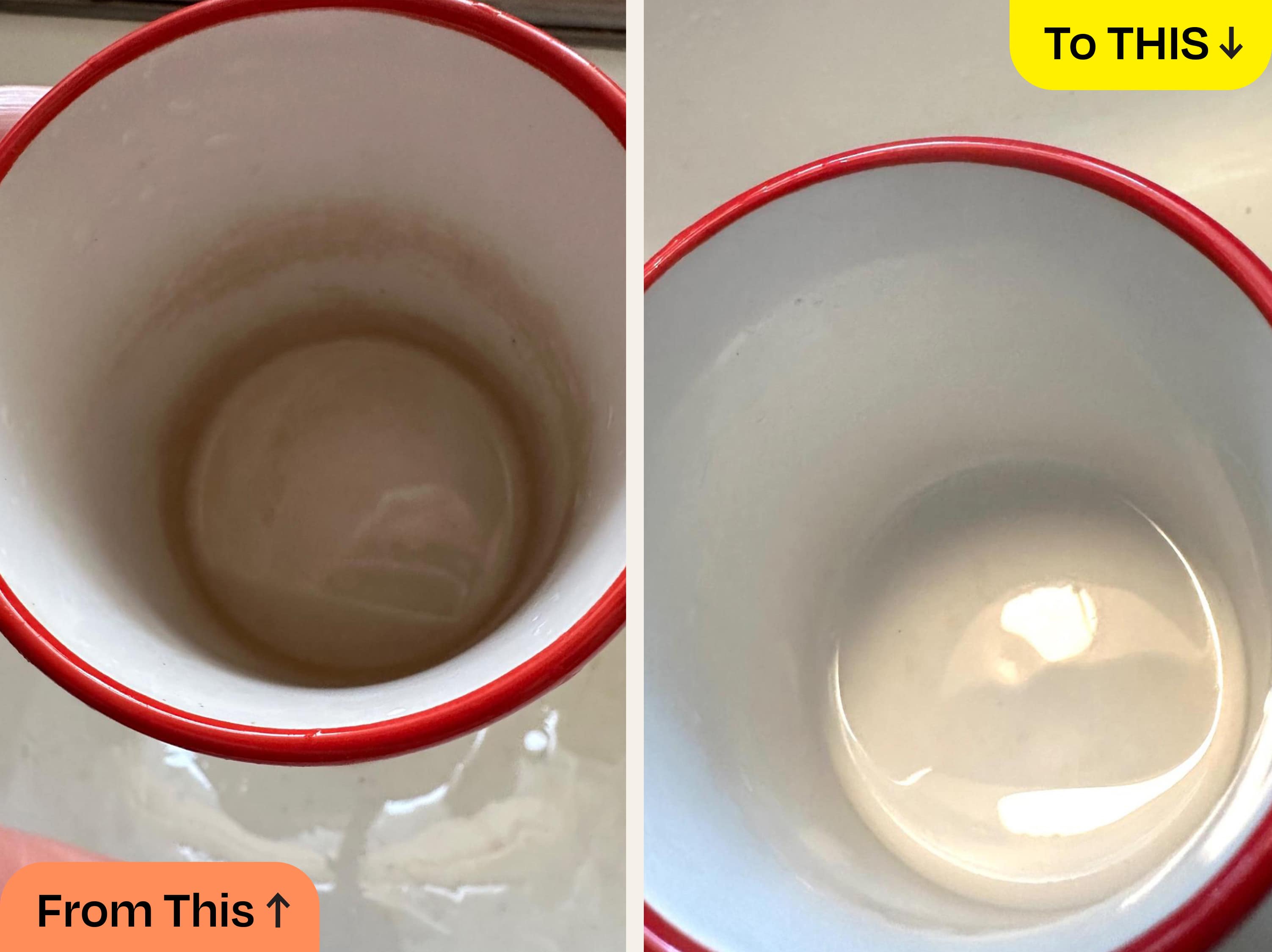
Persistent stains or heavy buildup on your coffee machine may need expert cleaning. Professional help ensures safe removal of tough coffee scale and protects your device. Seek assistance if home cleaning does not improve performance or appearance.
Signs Of Severe Scale
White spots on coffee machine parts can be a bad sign. Thick scale layers might affect your coffee machine. If coffee tastes strange, this might be due to scale. Water flow slows down, meaning scale is blocking it. Machine noise changes, which shows a problem inside. Heating issues arise when the scale builds up too much.
Maintenance Services
Experts can help with tough scale removal. They use special tools for the job. Professionals know the right cleaning solutions to use. They can ensure your machine lasts longer. Regular maintenance keeps the machine working well. Get service before problems get worse. This saves time and money in the long run.
Credit: www.thekitchn.com
Frequently Asked Questions
What Causes Coffee Scale Buildup In Machines?
Coffee scale forms from mineral deposits in water. Hard water contains calcium and magnesium. These minerals accumulate inside coffee machines. Regular cleaning prevents damage and maintains coffee taste. Scale affects heating efficiency and machine lifespan.
How Often Should I Clean Coffee Scale?
Clean coffee scale every 1 to 3 months. Frequency depends on water hardness and machine usage. Frequent cleaning ensures optimal machine performance. It prevents blockages and maintains coffee flavor. Follow manufacturer guidelines for best results.
What Is The Best Solution To Remove Coffee Scale?
Use a descaling solution or vinegar to remove scale. Descaling products dissolve mineral deposits effectively. Vinegar is a natural, affordable alternative. Always dilute vinegar with water to protect your machine. Rinse thoroughly after descaling to avoid taste issues.
Can I Use Lemon Juice To Clean Coffee Scale?
Yes, lemon juice works as a natural descaler. Its acidity breaks down mineral deposits. Mix lemon juice with water before use. It’s safe and eco-friendly but may take longer than commercial descalers. Rinse well to prevent sour taste.
Conclusion
Cleaning coffee scale keeps your machine working well and tasting great. Regular cleaning stops buildup and protects your device. Use simple tools and safe methods for best results. Small efforts prevent big problems later. Enjoy fresh coffee every day with a clean machine.
Remember, a little care goes a long way. Keep your coffee routine smooth and enjoyable. Easy steps make a big difference in taste and machine life.