
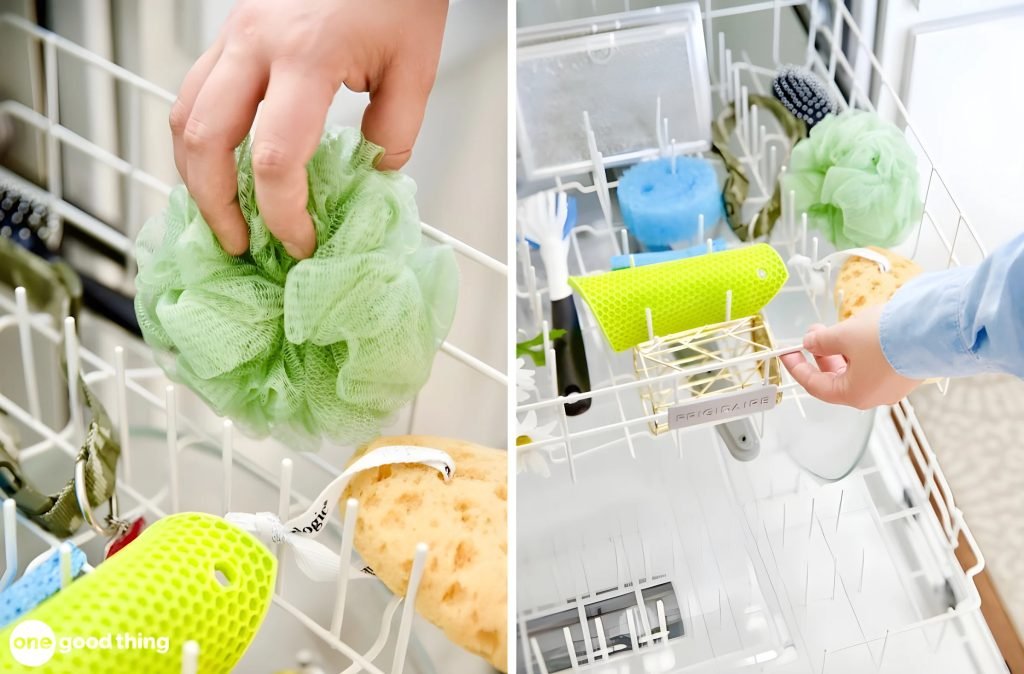
Are your dishwasher attachments looking grimy or clogged? If you want your dishwasher to work its best and keep your dishes sparkling clean, you need to clean those attachments regularly.
Ignoring them can lead to poor performance and even damage over time. You’ll discover simple, effective steps to clean your dishwasher attachments quickly and easily. Keep reading, and you’ll learn how to make your dishwasher run smoothly again—saving you time, money, and frustration.
Choosing The Right Cleaning Tools
Choose brushes with soft bristles to avoid scratching dishwasher parts. Small brushes help reach tight spots. Sponges with non-scratch surfaces work well for gentle cleaning.
Use mild soaps and detergents that do not harm plastic or metal parts. Avoid bleach and harsh chemicals that can damage attachments.
| Cleaning Tool | Best Use | Notes |
|---|---|---|
| Soft-bristle Brush | Removing stuck food | Gentle on surfaces |
| Small Detail Brush | Cleaning hard-to-reach areas | Reaches narrow spaces |
| Non-scratch Sponge | Wiping surfaces | Safe for plastic parts |
| Mild Soap | General cleaning | Protects materials |
:max_bytes(150000):strip_icc()/how-to-clean-dishwasher-drain-6823343-09-hero-5643ebc79fcd4aae8389c75c4fefdbdc.jpg)
Credit: www.thespruce.com
Removing Attachments From Dishwasher
Dishwasher attachments like racks, spray arms, and filters can often be removed. Check your dishwasher manual or look for clips and screws holding parts in place. Some parts just lift out or twist off easily.
Use gentle force to avoid breaking anything. Hold the attachment firmly while detaching. Avoid using sharp tools that can cause damage.
Keep small parts like screws safe in a bowl. Clean and dry all parts before putting them back. Proper removal helps keep your dishwasher working well.
Pre-cleaning Preparation
Rinse the dishwasher attachments under warm water to remove loose food bits. Use your fingers or a soft brush to clear stuck pieces gently. This step helps prevent clogs and improves cleaning performance.
Soaking attachments in warm water softens dried food and grease. Add a little mild dish soap to the water for better results. Let them soak for 10 to 15 minutes before scrubbing or rinsing again.
Credit: creators.yahoo.com
Step-by-step Cleaning Process
Scrubbing with Brusheshelps remove stuck food and grime. Use a soft brush to avoid damage. Focus on small corners and crevices. Rinse well after scrubbing to wash away loosened dirt.
Cleaning Spray Arms and Filterskeeps the dishwasher working well. Remove spray arms carefully. Use a toothpick or small brush to clear holes. Soak filters in warm, soapy water. Rinse before placing them back.
Washing Racks and Traysstops stains and buildup. Take out racks and trays gently. Use warm water and mild soap to clean. Scrub with a sponge or soft cloth. Let them dry fully before reinstalling.
Drying And Reassembling Attachments
Attachments must be completely dry before reassembling to avoid mold growth. Air drying on a clean towel works well. Placing parts in a warm, dry spot speeds drying. Avoid using cloths that leave lint on the parts. For faster drying, use a fan or open a window to improve air flow.
Check each part carefully before putting it back. Align parts as they were originally to avoid damage. Small parts should fit snugly without forcing. Tighten screws gently to secure attachments. Test the attachment by running the dishwasher empty to ensure proper function.
Maintenance Tips For Long-lasting Cleanliness
Set a regular cleaning schedulefor dishwasher attachments. Clean them at least once a week to stop build-up and bad smells. Use warm water and mild soap to wash parts by hand. Rinse thoroughly before putting them back.
Do not use harsh chemicals or scrub too hard. This can damage plastic and rubber parts. Check for clogs in spray arms and filters often. Remove food pieces or grease to keep water flowing well.
- Remove attachments carefully to avoid breaking them.
- Dry parts completely before reassembling to prevent mold.
- Avoid putting dishwasher attachments in the dishwasher itself.
- Inspect attachments for wear and replace damaged parts quickly.
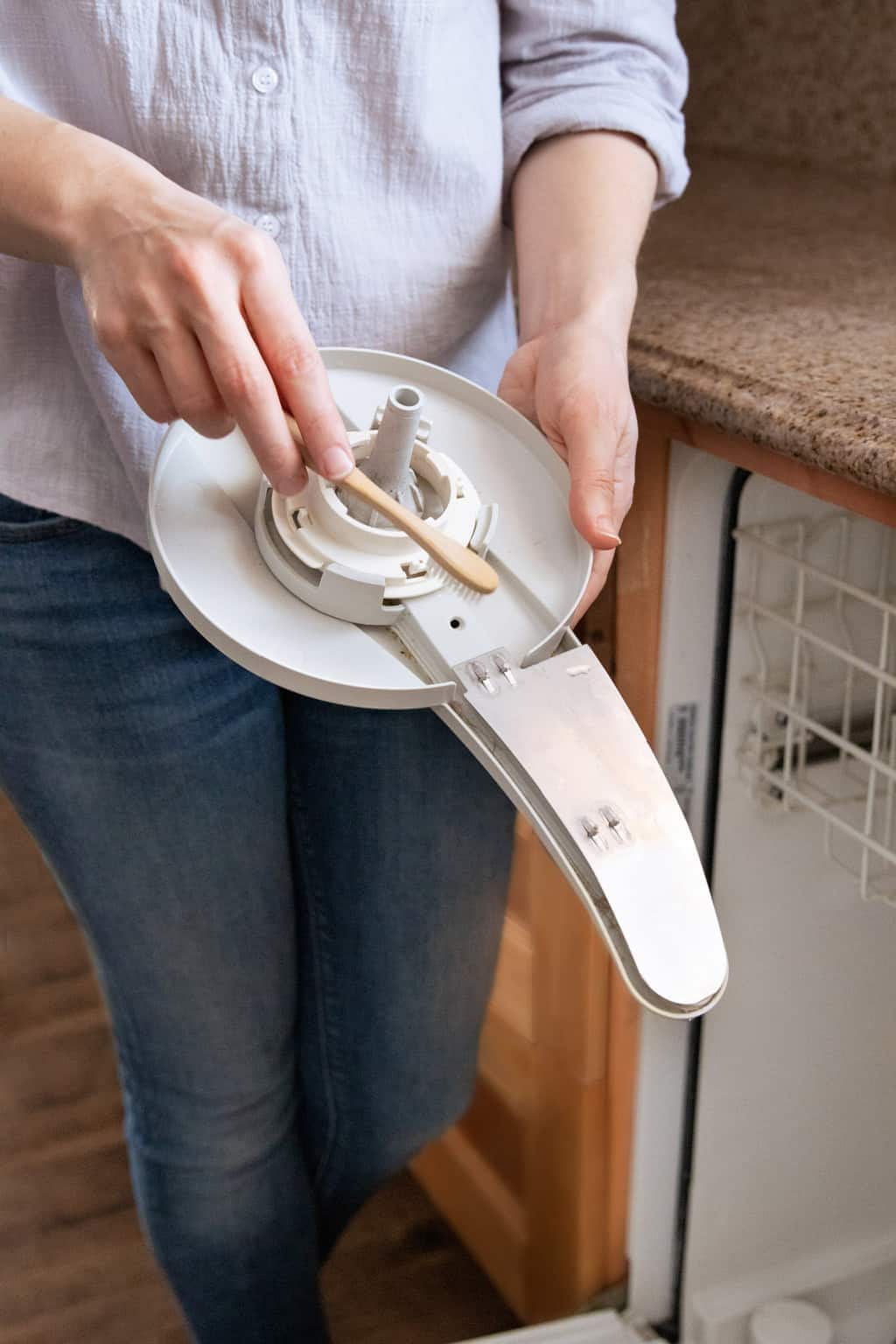
Credit: ablissfulnest.com
Frequently Asked Questions
How Often Should Dishwasher Attachments Be Cleaned?
It’s best to clean attachments monthly to ensure optimal performance. Regular cleaning prevents buildup of food particles and soap residue. This helps maintain the efficiency of your dishwasher and prolongs its lifespan. Consistent maintenance can also prevent odors and ensure that your dishes come out sparkling clean.
What Tools Do I Need To Clean Attachments?
You will need a soft brush, mild detergent, and warm water. A toothbrush can help clean crevices effectively. These tools ensure that you can scrub away any stuck-on debris or residue. For tougher spots, consider using a toothpick or a tooth floss.
Can Vinegar Be Used To Clean Dishwasher Attachments?
Yes, vinegar is effective for cleaning attachments. Its acidity helps break down mineral deposits and grease. Simply soak the attachments in a vinegar solution for about 20 minutes. This method is natural and safe, leaving your attachments clean and fresh without any harsh chemicals.
Do I Need To Remove Attachments For Cleaning?
Yes, removing attachments ensures thorough cleaning. It allows you to access hard-to-reach areas. Always refer to your dishwasher’s manual for instructions on detaching parts. Proper removal and reattachment ensure no damage occurs during the cleaning process.
Conclusion
Cleaning dishwasher attachments keeps your appliance working well. Regular care stops clogs and bad smells. Use simple tools like brushes and mild soap. Rinse parts thoroughly to remove all dirt. Dry each piece before putting it back. Small efforts save money and time later.
A clean dishwasher means cleaner dishes every day. Try these steps often for best results. Easy habits bring lasting cleanliness and peace of mind.