
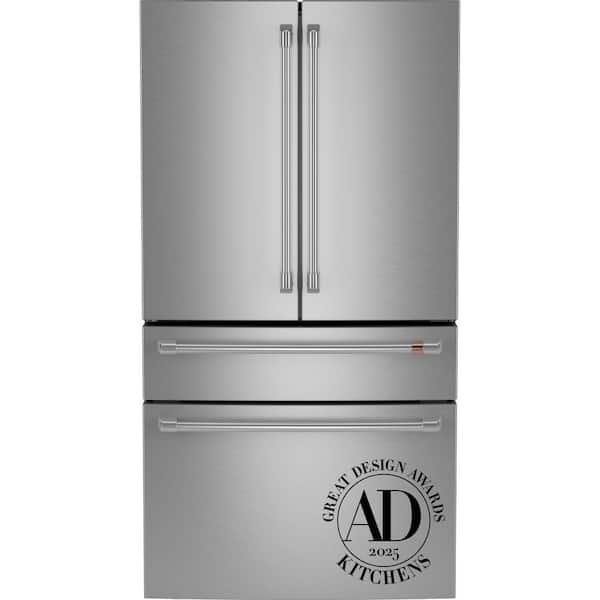
Imagine opening your smart refrigerator to find it gleaming and spotless, every surface shining and every shelf organized. Doesn’t it make you feel more at ease?
A clean smart refrigerator isn’t just about looks—it’s about efficiency, hygiene, and the longevity of your appliance. But how do you achieve that perfect shine without spending hours scrubbing? You’re about to discover the secrets to cleaning your smart refrigerator quickly and effectively.
This guide will walk you through each step, making sure you can enjoy a fresh and tidy fridge that keeps your food at its best. Get ready to transform your refrigerator into a pristine and inviting space. Keep reading to learn how to make your fridge cleaning routine as smart as the appliance itself.
Essential Cleaning Supplies
A clean refrigerator needs the right tools. Microfiber cloths are great for cleaning surfaces. They trap dust and dirt well. Mild dish soap helps remove sticky spots. It is gentle but effective. Baking soda is a natural deodorizer. It keeps your fridge smelling fresh. White vinegar works well on tough stains. It also disinfects surfaces. Soft brushes reach small corners. They help clean hard-to-reach areas. Gloves protect your hands from harsh cleaners. Always wear them while cleaning.
Trash bags are important for disposing waste. Use them for expired food or packaging. Paper towels help in quick drying. They are handy for spills too. Spray bottles make cleaning easier. Fill them with vinegar or water. Sponges are useful for scrubbing. They remove tough grime easily. Cotton swabs can clean small spaces. They are perfect for tight spots.
Credit: dornob.com
Preparing Your Refrigerator
Cleaning a smart refrigerator involves unplugging it and removing all food. Use a soft cloth with mild detergent to wipe surfaces gently. Pay attention to touchscreens and sensors, ensuring they remain dry.
Unplugging And Emptying
First, unplug the refrigerator from the wall. This keeps you safe. Empty all food items from the fridge. Place them on a table or counter. Throw away expired items. This makes cleaning easier. Remove all shelves and drawers. Set them aside for washing.
Organizing Contents
Group similar food items together. Use different boxes for meat, fruits, and vegetables. Keep drinks separate from food. This helps in putting items back easily. Wipe each box with a clean cloth. Make sure no crumbs are left behind. Use labels if needed.
Cleaning The Exterior
Smart refrigerators need gentle care. Use a soft cloth for wiping. Avoid harsh chemicals; they can damage the surface. Warm soapy water works best. Wipe gently to remove dirt and fingerprints. Dry with a clean cloth to prevent streaks.
Stainless steel needs special attention. Use a microfiber cloth for polishing. Apply a small amount of olive oil or vinegar. Polish with gentle, circular motions. This brings out the shine. Buff with a dry cloth to finish.
Interior Cleaning Techniques
Cleaning a smart refrigerator involves gentle wiping of surfaces with a microfiber cloth and mild detergent. Regularly empty and clean shelves to remove spills and crumbs. Ensure sensors and touchscreens are free from dust and fingerprints for optimal performance.
Removing Shelves And Drawers
Take out all shelvesand drawers. Place them on a table. Check for any food bits or spills. Use a soft cloth to wipe them clean. Be gentle to avoid scratches. Let them dry completely before putting back.
Sanitizing Shelves And Drawers
Mix warm water and mild soap. Dip a sponge into the mix. Wipe each shelf and drawer carefully. Rinse with clean water. Dry with a towel. Use vinegar for stronger cleaning. It kills germs and smells fresh.
Cleaning The Interior Walls
Empty the fridge completely. Use a soft cloth to wipe the walls. Mix water with baking soda for stubborn spots. Scrub gently. Rinse with clean water. Make sure walls are dry before restocking.
Handling The Smart Features
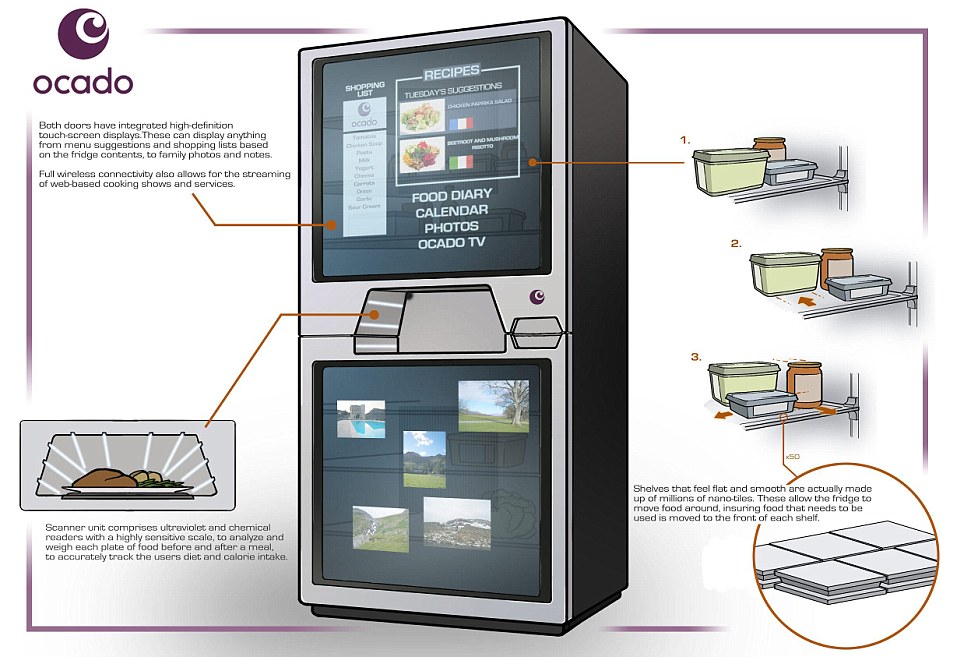
Touchscreens need gentle care. Use a soft cloth. Dampen it with a bit of water. Avoid harsh chemicals. They can damage the screen. Clean in small circles. This helps remove fingerprints. Do not spray cleaners directly. It might harm the device. Turn off the screen before cleaning. This prevents accidental touches. Regular cleaning keeps it smooth.
Sensors help with smart features. Keep them dust-free. Use a dry cloth for cleaning. Never use wet cloths. Moisture can damage sensors. Inspect regularly. Check for dirt or blockages. Clean gently if needed. Keep vents clear. Blocked vents affect sensor function. Avoid rough handling. It can misalign sensors. Proper care keeps sensors working well.
Deodorizing Your Fridge
Baking soda can help remove bad smells. Place a small open box in the fridge. Change it every month to keep it fresh. Lemons also work well. Cut a lemon in half and place it on a plate. It will absorb odors and add a fresh scent. Coffee grounds can be used too. Place them in a bowl and leave it in the fridge. They are great at neutralizing smells.
Many stores sell fridge deodorizers. These products are easy to use. Just place them in your fridge and they absorb smells. Some come in gel form while others are in packs. Make sure to replace them as directed. Read the instructions on the package for best results. They are often more powerful than natural options.
Preventive Maintenance Tips
Creating a cleaning scheduleis a smart move. Clean the fridge every month. Remove old food and wipe spills. Use a damp cloth with mild soap. Avoid harsh chemicals. Clean shelves and drawers. Dry them before putting back.
Seals and gasketskeep the cold air in. Check them often for cracks. Close the fridge door on a piece of paper. Try to pull it out. If it slides easily, the seal might be loose. Replace damaged seals to save energy. Keep seals clean to ensure a tight fit.

Credit: hicare.in
Troubleshooting Common Issues
Smart refrigerators require regular cleaning to function well. Ensure the refrigerator is unplugged before cleaning. Use a soft cloth and mild detergent to wipe shelves and surfaces. Regular maintenance prevents odors and keeps your appliance efficient.
Handling Odors
Odors in a refrigerator can be unpleasant. First, check for spoiled food. Remove anything expired or moldy. Clean shelves and drawers with warm, soapy water. Baking soda helps absorb bad smells. Place an open box inside the fridge. Vinegar is another option. Wipe surfaces with a mixture of water and vinegar. Fresh lemons can help too. Cut a lemon in half. Leave it in the fridge for a fresh scent. Charcoal can also absorb odors. Use activated charcoal in a small container. Change it every few weeks. Regular cleaning prevents odors. Keep the fridge smelling nice.
Addressing Temperature Fluctuations
Temperature changes can spoil food. First, check the thermostat. Set it between 37°F and 40°F. Door seals are important. Ensure they close tightly. A blocked vent can cause issues. Clear any obstructions. Overloading the fridge affects cooling. Arrange items for good airflow. Regular maintenance helps. Clean the coils behind the fridge. Dust can make it work harder. Power outages affect temperature. Monitor and adjust settings after outages. Proper care keeps the fridge working well.

Credit: www.hnkparts.com
Frequently Asked Questions
How To Clean An Lg Smart Inverter Refrigerator?
Unplug the refrigerator and remove all food items. Use a soft cloth with mild detergent to wipe interior surfaces. Clean shelves and drawers with warm, soapy water. Rinse and dry thoroughly. Wipe the exterior with a damp cloth. Ensure everything is dry before plugging it back in.
What’s The Best Way To Clean Out The Inside Of A Refrigerator?
Start by unplugging the refrigerator. Remove all items and shelves. Use a mix of warm water and mild detergent to clean surfaces. Wipe with a damp cloth, then dry thoroughly. Avoid using abrasive cleaners to prevent damage. Reassemble shelves and plug back in.
Can I Use Clorox Wipes To Clean The Inside Of My Fridge?
Yes, you can use Clorox wipes to clean your fridge interior. Ensure food items are removed first. Use wipes to sanitize surfaces, then dry with a clean cloth. Avoid contact with food directly.
What Not To Use To Clean A Fridge?
Avoid using bleach, abrasive cleaners, or ammonia-based products on your fridge. These can damage surfaces and leave harmful residues. Opt for mild soap or vinegar solutions for safe cleaning. Always ensure thorough rinsing to prevent chemical traces. Keep your fridge fresh and safe with gentle cleaning methods.
Conclusion
Cleaning a smart refrigerator isn’t hard. Follow simple steps for success. Regular cleaning keeps it fresh and efficient. A clean fridge means better food storage. Start by unplugging for safety. Use mild soap and warm water. Wipe shelves and bins thoroughly.
Check seals for any dirt. Don’t forget the outside. A clean exterior shines bright. Keep smart features in mind. They need gentle care too. Cleaning your fridge prolongs its life. Saves energy. Protects your food. Maintain it regularly for best results.
Enjoy a clean, smart fridge today!