
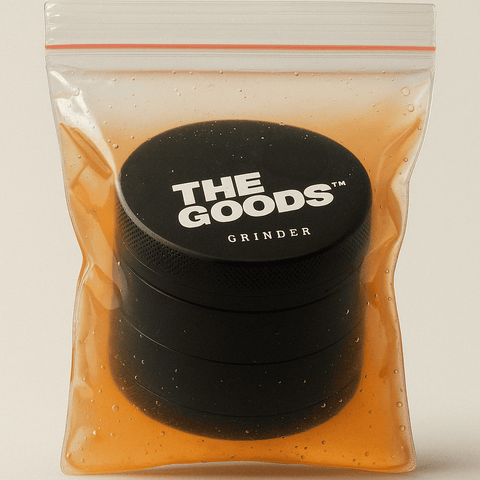
If you use a plastic grinder, you know how quickly it can get sticky and clogged. Cleaning it might feel like a hassle, but a clean grinder works better and lasts longer.
Imagine grinding your herbs smoothly every time without any residue slowing you down. In this guide, you’ll discover simple, effective ways to clean your plastic grinder so it stays fresh and ready to use. Keep reading, and you’ll learn easy steps that save you time and keep your grinder in top shape.
Tools And Materials Needed
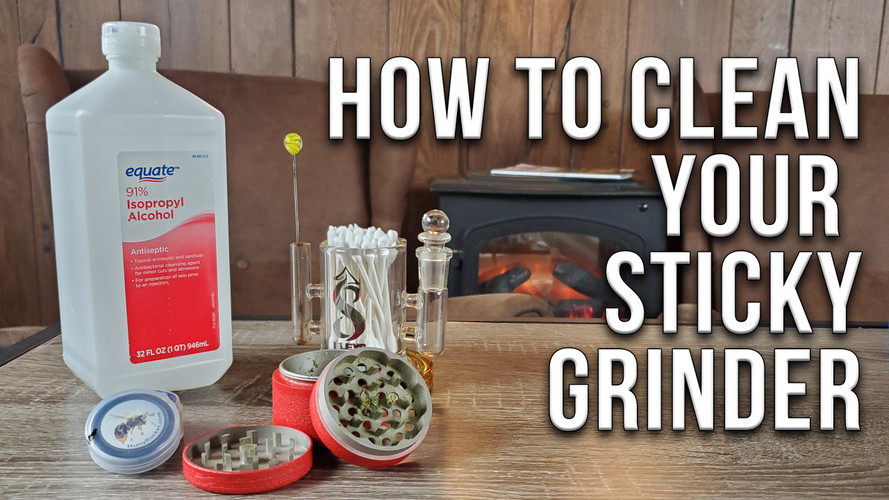
Gather these tools and materialsbefore cleaning your plastic grinder. Use a soft brushor an old toothbrush to remove loose debris. A toothpickor a small wooden stick helps to get into tight spots. Have some isopropyl alcohol (70% or higher)ready for deep cleaning. Soft cloths or paper towels are good for drying and wiping. A small bowl or container can hold the alcohol and parts. Avoid using harsh chemicals or metal tools to protect the plastic.
Disassemble The Grinder
Start by carefully taking apart the plastic grinder. Each piece should come off without forcing. Keep the parts organized so you don’t lose any. The grinder usually has three main parts: the lid, the grinding chamber, and the base. Handle each part gently to avoid breaking the plastic. Removing all parts lets you clean every corner well. Small bits of residue often hide in the teeth and corners. Taking it apart first makes cleaning easier and more effective.
Remove Residue And Debris
Start by gently tapping the grinder to remove loose bits. Use a soft brush or an old toothbrush to clean out stuck residue. For stubborn debris, soak the grinder parts in warm, soapy water for 10-15 minutes. Avoid using harsh chemicals that can damage the plastic. Rinse thoroughly with clean water to remove soap. Let all parts air dry completely before reassembling. This keeps the grinder working smoothly and prevents bad smells.

Credit: mambagrinders.com
Soak And Scrub Components
Choose a gentle cleaning solution to avoid damage. Warm water with mild dish soap works well. Avoid strong chemicals that can harm plastic parts. For tough grime, use isopropyl alcohol but sparingly. Let the grinder parts soak for 10-15 minutes to loosen residue.
Use a soft brush or old toothbrush for scrubbing. Focus on the teeth and corners where residue builds up. Scrub gently to avoid scratching the plastic. Rinse each part thoroughly under warm water after scrubbing. Dry completely before reassembling to prevent mold or rust.
Rinse And Dry Thoroughly
Rinse the plastic grinder with warm water to remove loose debris. Use your fingers or a soft brush to clear stuck bits gently. Avoid hot water as it may warp the plastic. After rinsing, shake off excess water. Dry the grinder completely with a clean cloth or paper towel.
Let it air dry for a while to ensure no moisture remains inside. Moisture can cause mold or bad smells later. Store the grinder in a dry place. This keeps it fresh and ready for next use.
Reassemble And Test
Ensure all parts are completely dry before reassembling the grinder.
Align the pieces carefully to avoid damaging the threads or teeth.
Press the pieces firmly together until they click or fit snugly.
Check that the grinder turns smoothly without any resistance.
Test the grinder by adding a small amount of material to see if it grinds properly.
- Clean parts prevent buildup and keep grinding efficient.
- Proper assembly helps the grinder last longer.
- Testing confirms the cleaning was successful.
Maintenance Tips For Longevity
Cleaning your plastic grinder often keeps it working well. Dirt and residue can build up and make it hard to use. Set a regular cleaning schedule. Wipe it with a soft cloth after every few uses. Soak parts in warm, soapy water to remove sticky bits. Use a small brush to clean hard-to-reach spots. Dry all parts completely before putting them back together.
Proper storagehelps protect your grinder. Keep it in a dry, cool place away from sunlight. Avoid storing it in damp or hot areas. Use a small container or pouch to keep dust and dirt off. This stops damage and keeps your grinder ready for use.
Credit: www.elev8glassgallery.com

Credit: www.420science.com
Frequently Asked Questions
How Often Should I Clean A Plastic Grinder?
Clean your plastic grinder every 1-2 weeks to maintain optimal performance. Frequent cleaning prevents residue buildup and ensures smooth grinding.
What Materials Are Best For Cleaning A Plastic Grinder?
Use warm water, mild soap, and a soft brush to clean. Avoid harsh chemicals or abrasive tools that may damage the plastic.
Can I Use Rubbing Alcohol To Clean A Plastic Grinder?
Yes, rubbing alcohol effectively removes sticky residue and kills bacteria. Soak parts briefly, then rinse with warm water and air dry.
Is It Safe To Clean A Plastic Grinder In The Dishwasher?
No, dishwasher heat can warp or damage plastic grinders. Always hand wash to preserve the grinder’s shape and function.
Conclusion
Cleaning a plastic grinder keeps it working well and lasting longer. Regular cleaning stops residue build-up and bad smells. Use simple tools and gentle soap for best results. Dry it fully before use to avoid damage. A clean grinder makes your experience better every time.
Try to clean it after each use for easy care. Small steps lead to big improvements in your grinder’s life. Keep it simple, keep it clean.