
When it comes to grilling, the right wood pellets can make all the difference in flavor and cooking quality. But with so many options out there, how do you know which pellets are best for your grill and your taste buds?
Choosing the perfect wood pellets isn’t just about picking any bag off the shelf—it’s about understanding what each type brings to your food and how it fits your grilling style. Keep reading, and you’ll discover simple tips to select wood pellets that turn every meal into a mouthwatering experience.
Your grill deserves it, and so do you.

Credit: www.atbbq.com
Types Of Wood Pellets
Choosing the right wood pellets for grilling affects the flavor of your food. Different types of wood offer unique tastes and burning qualities.
Understanding the differences helps you pick pellets that suit your grilling style and the food you cook.
Hardwood Vs Softwood
Wood pellets come from hardwood or softwood trees. Hardwood pellets burn longer and hotter. Softwood pellets tend to burn faster and produce more smoke.
Hardwood pellets are popular for grilling because they add good flavor without too much resin or sap. Softwoods may affect taste and create more creosote.
Popular Wood Varieties
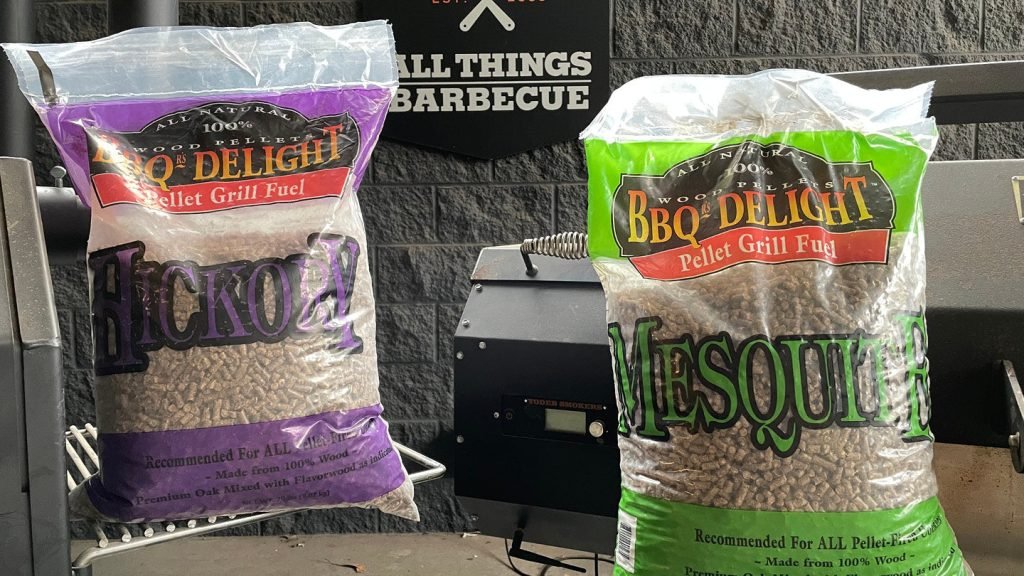
- Hickory: Strong smoky flavor, good for pork and ribs.
- Mesquite: Intense, bold smoke, best for beef.
- Apple: Sweet and mild, great for poultry and fish.
- Cherry: Fruity and light, works well with most meats.
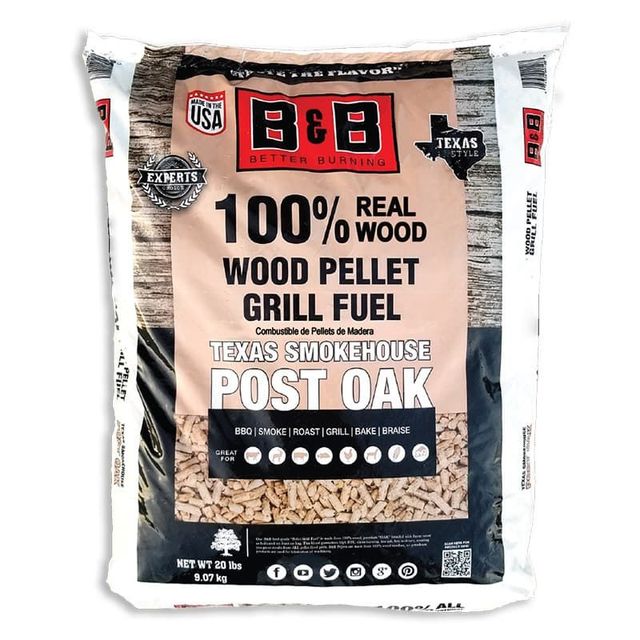
- Oak: Medium smoke, versatile for many types of grilling.
Flavor Profiles
| Wood Type | Flavor | Best For |
|---|---|---|
| Hickory | Strong, smoky, bacon-like | Pork, ribs, brisket |
| Mesquite | Bold, earthy, intense | Beef, steaks |
| Apple | Sweet, mild, fruity | Poultry, fish, vegetables |
| Cherry | Light, fruity, sweet | Chicken, pork, beef |
| Oak | Medium, smoky | Beef, pork, lamb |
Pellet Quality Factors
Choosing the right wood pellets is important for good grilling results. Quality pellets burn evenly and add flavor. Low-quality pellets can cause problems.
Focus on factors like moisture content, pellet density, and additives. These affect how well pellets burn and taste.
Moisture Content
Moisture content means how much water is in the pellets. Good pellets have low moisture, usually under 10%. Wet pellets burn poorly and create smoke.
Dry pellets burn hotter and cleaner. They help keep a steady temperature while grilling.
Pellet Density
Pellet density refers to how tightly the wood is packed. Dense pellets last longer and burn more evenly. Low-density pellets break apart and burn too fast.
Look for pellets that feel hard and solid. This means they have good density and quality.
Additives And Fillers
Some pellets contain additives or fillers to lower cost. These can affect flavor and produce unwanted smoke or residue.
Choose pellets made from 100% natural hardwood without chemicals. This ensures clean burning and better taste.
Grill Compatibility
Choosing the right wood pellets for your grill is important. Not all pellets work with every grill model. Some grills need specific pellet sizes and shapes to run well.
Knowing your grill’s requirements helps you pick pellets that burn evenly and produce good smoke. This guide covers key points to check before buying pellets.
Pellet Size And Shape
Pellets come in different sizes and shapes. Your grill might only accept certain types. Using the wrong size can cause feeding problems or poor heat control.
- Standard pellets are usually 1/4 inch in diameter and about 1 inch long.
- Some grills require smaller pellets to avoid clogging.
- Uniform shape helps pellets feed smoothly into the firepot.
- Irregular or crumbly pellets can cause jams and uneven burning.
Manufacturer Recommendations
Check your grill’s manual for pellet advice. Manufacturers often list compatible pellet brands and types. Following these tips keeps your grill working well.
| Grill Brand | Recommended Pellet Size | Notes |
|---|---|---|
| Traeger | 1/4 inch diameter | Use hardwood pellets only |
| Camp Chef | 1/4 inch diameter | Avoid softwood pellets |
| Green Mountain | 1/4 inch diameter | Check moisture content below 8% |
| Rec Tec | 1/4 inch diameter | Use pellets with uniform shape |
Flavor Pairings
Choosing the right wood pellets can change the flavor of your grilled food. Different woods pair well with different meats. Knowing these pairs helps you get the best taste.
Experimenting with blends of wood pellets can create unique flavors. This adds variety to your grilling experience.
Meat And Wood Combinations
Each type of meat matches well with certain wood pellets. For example, beef needs strong, smoky woods. Poultry works better with mild, sweet woods.
| Meat | Best Wood Pellet | Flavor Profile |
| Beef | Hickory | Strong, smoky, bold |
| Pork | Apple | Sweet, fruity, mild |
| Chicken | Cherry | Sweet, light, subtle smoke |
| Fish | Alder | Delicate, sweet, smoky |
| Lamb | Mesquite | Strong, earthy, spicy |
Experimenting With Blends
Mixing wood pellets can create new flavors. Start with small amounts to find the right mix. You can blend sweet woods with strong woods.
- Try half hickory and half apple for pork.
- Mix cherry with alder for a mild fish flavor.
- Combine mesquite and oak for rich beef taste.
- Blend pecan and cherry for chicken.
- Use oak and maple together for versatile smoky notes.
Storage Tips
Wood pellets absorb moisture easily. Proper storage keeps them dry and ready for grilling.
Storing pellets correctly prevents damage and ensures good smoke flavor.
Preventing Moisture Absorption
Keep pellets away from water and damp areas. Moisture can make pellets swell and break apart.
Store pellets in a dry, cool place with low humidity to keep them fresh longer.
- Avoid storing pellets on concrete floors
- Use pallets or shelves to raise bags off the ground
- Keep pellets away from rain or snow
- Check pellets often for signs of moisture or mold
Proper Container Choices
Use airtight containers to protect pellets from air and moisture. Good containers keep pellets dry and fresh.
Plastic bins with tight lids or metal containers work well for storing pellets.
- Choose containers with sealable lids
- Label containers with the pellet type and date
- Keep containers in a cool, dry place
- Do not store pellets in bags once opened for long
Credit: www.bbcharcoal.com
Budget Considerations
Choosing the right wood pellets for grilling can affect your budget. It is important to balance cost and quality to get the best value.
Buying pellets wisely helps you save money while still enjoying great grilling results.
Cost Vs Quality
Cheap wood pellets may save money upfront but can burn unevenly. This can affect the flavor and cooking time. Higher-quality pellets cost more but provide steady heat and better taste.
- Lower-cost pellets might contain fillers or bark
- Premium pellets use pure hardwood for better flavor
- Good pellets create less ash and burn longer
- Quality pellets may reduce fuel use overall
Buying In Bulk
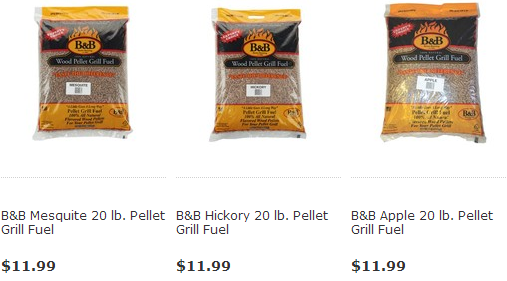
Buying wood pellets in larger quantities often lowers the price per bag. This is helpful if you grill regularly or want to store pellets for future use.
| Quantity | Price per Bag | Storage Tips |
| 1 Bag | $15 | Use quickly to keep fresh |
| 5 Bags | $13 | Store in a dry place |
| 10 Bags | $12 | Keep sealed to avoid moisture |
Reading Labels
Reading labels on wood pellets helps you pick the best for grilling. Labels show important details about quality and safety.
Knowing what to look for on labels can improve your grilling results and keep food flavors pure.
Certification Marks
Certification marks on pellet bags prove the product meets certain standards. These marks come from trusted organizations.
- Look for marks from the Pellet Fuels Institute (PFI).
- Check for certifications that show the pellets are made from 100% hardwood.
- Certifications can confirm pellets do not contain fillers or harmful chemicals.
- Some marks guarantee the pellets have consistent size and moisture levels.
Ingredient Lists
Ingredient lists tell you what wood types and additives are inside the pellets. Pure wood pellets give the best flavor.
| Ingredient | What to Look For | What to Avoid |
|---|---|---|
| Wood Type | Hardwoods like oak, hickory, or maple | Softwoods or unknown wood sources |
| Additives | None or natural wood binders | Fillers, bark, glue, or chemicals |
| Moisture Content | Below 8% for good burning | High moisture, which causes smoke and poor heat |
Credit: medium.com
Frequently Asked Questions
What Wood Pellets Are Best For Grilling Meat?
Hardwood pellets like hickory, oak, and mesquite are ideal for grilling meat. They provide rich, smoky flavors that enhance the taste. Avoid softwood pellets as they can produce unpleasant tastes and excessive smoke.
How To Identify High-quality Wood Pellets For Grilling?
High-quality pellets are made from 100% natural hardwood with no fillers or additives. They should be dense, uniform, and produce minimal ash. Look for pellets with good reviews and certifications to ensure safe and effective grilling.
Can Flavored Wood Pellets Improve Grilling Taste?
Yes, flavored pellets add unique aromas and enhance the grilling experience. Popular flavors include apple, cherry, and pecan. Use them sparingly to complement the food without overpowering its natural taste.
Are All Wood Pellets Safe For Food Grilling?
No, only pellets labeled as food-grade or meant for grilling are safe. Avoid using heating pellets designed for stoves, as they may contain harmful chemicals. Always check the packaging before use.
Conclusion
Choosing the right wood pellets makes grilling more enjoyable and tasty. Think about the flavor you want and the type of wood that matches it. Quality pellets burn cleaner and last longer on your grill. Always check for pellets made from pure wood without fillers.
Trying different types helps find what suits your taste best. Keep these tips in mind for better grilling results every time. Your next barbecue will be full of rich, smoky flavor. Simple steps lead to great meals and happy guests.