

Choosing the right BTU for your built-in grill can make all the difference in your cooking experience. You want your grill to heat up quickly, cook food evenly, and give you control over the flames.
But how do you know which BTU is best for your space and your needs? If you pick too low, your food might take forever to cook. Too high, and you risk wasting fuel or overheating your grill. This guide will help you understand exactly what BTU means, how it affects your grilling, and how to select the perfect power level for your built-in grill.
Keep reading to make sure your next barbecue is nothing short of perfect.
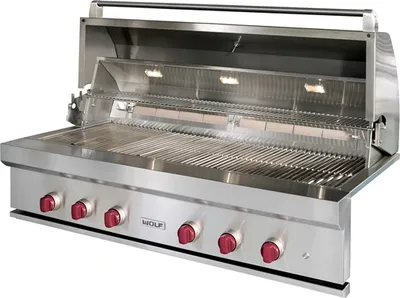
Credit: www.arizonaapplianceandhome.com
Btu Basics
Choosing the right BTU for your built-in grill is important. It helps you cook food evenly and fast.
BTU shows how much heat your grill can produce. Knowing BTU helps you pick the best grill.
What Is Btu
BTU stands for British Thermal Unit. It measures heat energy.
One BTU is the heat needed to raise one pound of water by one degree Fahrenheit.
Btu And Grill Performance
BTU tells how much heat the grill can make. Higher BTU means more heat.
More heat cooks food faster. But very high BTU may burn food if not controlled.
- Low BTU grills are good for slow cooking
- Medium BTU grills suit most everyday grilling
- High BTU grills are best for searing and fast cooking
Factors Affecting Btu Needs
Choosing the right BTU for a built-in grill is important. BTU means British Thermal Unit, which measures heat output.
Several factors affect how many BTUs you need for your grill. Knowing these helps you cook food evenly and efficiently.
Grill Size And Cooking Area
The size of your grill affects the BTU you need. A bigger cooking area needs more heat to cook food well.
Small grills need fewer BTUs, while large grills require higher BTU levels to keep food hot.
- Small grills (under 300 sq. in.) usually need 20,000 to 30,000 BTUs
- Medium grills (300 to 500 sq. in.) need 30,000 to 50,000 BTUs
- Large grills (over 500 sq. in.) often require 50,000+ BTUs
Fuel Type Considerations
Different fuels produce different heat levels. Propane, natural gas, and charcoal all have unique BTU outputs.
Choose a fuel type that fits your cooking style and matches your grill’s BTU needs.
- Propane grills heat quickly and offer high BTUs
- Natural gas grills provide steady heat but may have lower BTUs
- Charcoal grills give smoky flavor but heat control varies
Climate Impact
Where you live changes how much BTU your grill needs. Cold or windy places need more heat to cook well.
In warm climates, grills may need fewer BTUs because less heat escapes.
- Cold weather reduces grill temperature, requiring higher BTUs
- Wind can cool the grill surface, increasing BTU needs
- Warm weather keeps heat steady, so fewer BTUs may work
Matching Btu To Cooking Style
Choosing the right BTU for your built-in grill depends on how you like to cook. Different cooking styles need different heat levels.
BTU stands for British Thermal Unit. It measures the heat output of your grill. Picking the right BTU helps you cook food perfectly.
Low And Slow Cooking
Low and slow cooking means using low heat for a long time. This style is good for smoking or roasting large cuts of meat.
- BTU range: 15,000 to 30,000
- Keeps heat steady and even
- Prevents burning or drying out food
- Best for brisket, ribs, and pulled pork
High-heat Searing
High-heat searing uses very hot flames to cook the outside quickly. It locks in juices and creates a tasty crust.
| BTU | Ideal Temperature | Best Use |
| 40,000 – 60,000 | 500°F to 700°F | Steaks, burgers, chops |
| 60,000 and above | 700°F+ | Quick sear, grill marks |
Versatile Cooking
Versatile cooking needs a grill that works well for many foods and methods. Medium BTU is best for this.
Look for these BTU features in a versatile grill:
- BTU range around 30,000 to 45,000
- Good heat control settings
- Ability to do indirect and direct cooking
- Works for vegetables, chicken, and fish
Calculating Ideal Btu
Choosing the right BTU for your built-in grill is important. BTU measures how much heat your grill produces.
Knowing how to calculate the ideal BTU helps you cook food evenly and saves energy.
Btu Per Square Inch Rule
The BTU per square inch rule helps find the right heat for your grill size. It shows how many BTUs are needed for each square inch of cooking area.
| Grill Size (Square Inches) | BTU Range |
|---|---|
| 100 – 200 | 8,000 – 12,000 BTU |
| 201 – 400 | 12,000 – 18,000 BTU |
| 401 – 600 | 18,000 – 24,000 BTU |
| 601 – 800 | 24,000 – 30,000 BTU |
| 801 and above | 30,000+ BTU |
To use this rule, measure your grill’s cooking surface. Multiply the square inches by the BTU per square inch value you want.
Adjusting For Outdoor Conditions
Outdoor conditions affect how much BTU your grill needs. Wind, temperature, and altitude can change cooking performance.
- Wind cools the grill, so choose higher BTU for windy areas.
- Cold weather needs more BTUs to keep heat steady.
- High altitudes require more BTUs because air is thinner.
- Cover your grill to protect from rain and reduce heat loss.
Adjust your BTU choice based on these factors to cook food well in any outdoor setting.
Common Btu Ranges For Built-in Grills
BTU stands for British Thermal Unit. It measures heat output for grills. Choosing the right BTU helps you cook food evenly.
Built-in grills come in different sizes. Each size has a common BTU range. This helps match the grill to your cooking needs.
Small Grills
Small grills are good for small patios or balconies. They are easy to move and store. Their BTU ranges suit light cooking tasks.
Small built-in grills usually have lower BTUs. This saves fuel and prevents overheating.
- BTU range: 10,000 to 20,000
- Best for 1-3 people
- Good for quick meals and light grilling
Medium Grills
Medium grills fit most backyards. They offer more cooking space. Their BTU ranges handle a variety of foods well.
These grills can cook for small gatherings. Their heat output balances power and fuel use.
- BTU range: 20,000 to 40,000
- Best for 4-6 people
- Good for grilling meats and vegetables
Large Grills
Large grills are for big groups and parties. They have wide cooking surfaces. Their BTU ranges provide strong heat for fast cooking.
These grills use more fuel but cook food evenly and quickly. They suit experienced grillers and larger events.
- BTU range: 40,000 to 80,000+
- Best for 7 or more people
- Good for large cuts of meat and high-volume cooking

Credit: authenteak.com
Energy Efficiency And Btu
BTU stands for British Thermal Unit. It measures the heat a grill produces. Choosing the right BTU helps save energy and fuel.
Energy efficiency means using less fuel to get the same cooking results. A good BTU rating helps balance power with fuel use.
Choosing Efficient Models
Look for grills that use fuel well. Efficient models heat up fast and keep steady temperatures. They waste less energy.
Stainless steel burners and good insulation improve efficiency. These features keep heat inside the grill, using less fuel.
- Choose stainless steel burners
- Check for good grill insulation
- Look for adjustable heat controls
- Pick models with even heat distribution
Balancing Power And Fuel Consumption
High BTU means more heat but uses more fuel. Low BTU saves fuel but may cook slower. Find a balance for your needs.
Consider how often and what you cook. A built-in grill with 20,000 to 30,000 BTU suits most families. It offers power without wasting fuel.
- High BTU for fast cooking and searing
- Lower BTU for slow cooking and fuel saving
- Match BTU to grill size and cooking habits
Expert Buying Tips
Choosing the right BTU for a built-in grill can improve cooking results. BTU means British Thermal Units. It measures heat output. Picking the right amount helps cook food evenly and saves fuel.
Use these tips to understand BTU ratings better. This guide helps you find the best grill for your needs.
Consulting Manufacturer Specs
Check the grill’s product manual or website for BTU details. Manufacturers list BTU ratings for each burner and total output. Compare these numbers with your cooking style and space.
| Grill Size | Typical BTU Range | Best Use |
|---|---|---|
| Small (under 300 sq. in.) | 10,000 – 20,000 | Light cooking, small families |
| Medium (300-500 sq. in.) | 20,000 – 40,000 | Regular cooking, moderate groups |
| Large (over 500 sq. in.) | 40,000 – 60,000+ | Big gatherings, fast cooking |
Reading User Reviews
Look at online reviews to learn about real use. Users often share if the grill’s heat matches the BTU rating. They note if cooking is even or if some spots get too hot.
- Check if the grill heats quickly and holds temperature
- See if users mention fuel efficiency
- Note any issues with uneven cooking
- Look for comments on durability under heavy use
Planning For Future Needs
Think about how you will use the grill over time. If you expect to cook for larger groups, choose a grill with higher BTU. This prevents long cooking times and underpowered heat.
- Estimate your usual cooking area size
- Consider how often you host guests
- Plan if you want to cook different foods at once
- Choose a BTU level that fits both now and later
.jpg)
Credit: www.bbqgrills.com
Frequently Asked Questions
What Btu Rating Is Ideal For A Built-in Grill?
An ideal BTU rating depends on grill size and cooking needs. Generally, 30,000 to 50,000 BTUs suit most built-in grills. Higher BTUs offer faster heating, while lower BTUs provide better temperature control for slow cooking.
How Does Btu Affect Built-in Grill Performance?
BTU impacts heat output and cooking speed. Higher BTUs mean more heat and quicker cooking. However, too high BTUs may cause flare-ups. Choose BTUs based on grill size and cooking style for optimal performance.
Can I Use A Grill With Low Btu For Large Gatherings?
Low BTU grills may struggle to cook large amounts evenly. For big gatherings, select a grill with higher BTUs to ensure consistent heat and efficient cooking. This prevents longer cooking times and unevenly cooked food.
Does Fuel Type Influence Btu Requirements For Grills?
Yes, fuel type affects BTU needs. Propane and natural gas grills offer different BTU ranges. Choose fuel and BTU rating that match your cooking frequency and desired heat output for best results.
Conclusion
Choosing the right BTU for your built-in grill matters a lot. It affects cooking speed and fuel use. Too high BTU can waste gas and burn food. Too low means longer cooking times and uneven heat. Think about grill size and what you cook most.
Find a balance that fits your needs well. This helps you enjoy tasty meals without extra cost. Take your time to choose wisely. Your grill will work better and last longer. Simple steps lead to better grilling every time.