
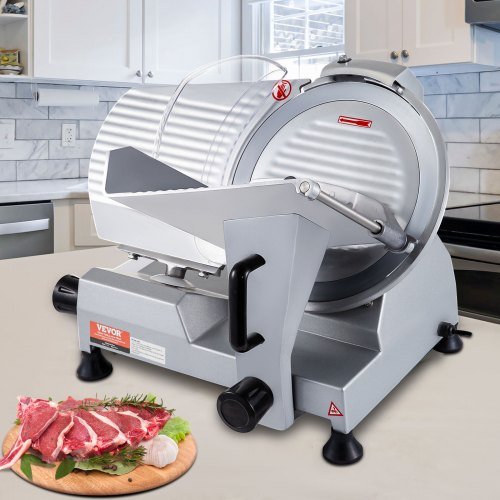
Choosing the right commercial slicer is more than just picking a machine that cuts well. Your safety—and the safety of everyone around you—depends on it.
Imagine working confidently, knowing your slicer has built-in features that protect your hands and prevent accidents. You’ll discover exactly what safety features to look for so you can make a smart, secure choice. Keep reading to learn how to protect yourself and boost your kitchen’s efficiency at the same time.

Credit: www.braher.com
Key Safety Features To Look For
Safety guards and automatic shut-off features reduce accident risks. Choose slicers with non-slip feet and easy-to-clean designs for added protection. Look for models with blade covers to prevent injuries during use and cleaning.
Blade Guards And Shields
Blade guards are crucial for safety. They cover the sharp edges. This prevents accidental cuts. Always choose slicers with strong blade guards. Shields protect your hands and fingers. They act as a barrier. This keeps you safe while slicing. Make sure the shield is easy to adjust.
Automatic Shutoff Mechanisms
These mechanisms stop the slicer if overheating occurs. This prevents accidents. They also save energy. Automatic shutoff protects both the slicer and you. Look for slicers with this feature for added safety.
Non-slip Base And Stability
A non-slip base keeps the slicer steady. It prevents sliding on the counter. Stability is key when slicing. Make sure the base grips well. This reduces the risk of accidents. It keeps your slicer in place.
Safety Interlock Systems
This system ensures the slicer works safely. It prevents the slicer from starting accidentally. Safety interlocks are vital. They protect you from accidental starts. Look for slicers with reliable interlock systems. They add an extra layer of safety.
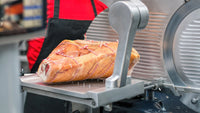
Credit: www.econolease.com
Types Of Commercial Slicers
Manual slicers require you to push the food across the blade. They give more control but need more effort. Automatic slicers do the work with a motor. They save time and reduce hand strain. Both types should have safety guards to protect fingers.
Belt driven slicers use a belt to turn the blade smoothly. They are quieter and have less vibration. Gear driven slicers use gears to turn the blade. They are stronger and last longer, but can be noisier.
Adjustable thickness settings let you choose how thick or thin the slices are. This feature is important for different foods like meat, cheese, or vegetables. Easy-to-use dials or knobs make changing thickness quick and safe.
Material And Build Quality
Stainless steelis the best choice for slicer bodies. It resists rust and keeps the machine looking new. This metal is strong and lasts a long time, even with daily use.
Durability is key. Slicers made with good materials need less repair. They save money and time. Easy maintenance means parts can be fixed or cleaned quickly without special tools.
Cleaning should be simple and fast. Parts that come apart easily help keep the slicer safe and hygienic. Smooth surfaces prevent food from sticking and reduce germs.
Ergonomics And User Comfort
The handle designshould fit comfortably in the hand. A soft grip helps reduce strain during use. Rounded edges prevent slipping and improve control.
Weight plays a big role in portability. A lighter slicer is easier to move and store. But it must still feel stable when slicing.
- User-friendly controlsare simple to find and use.
- Buttons or knobs should be clear and easy to turn.
- Controls near the handle make adjustments faster.
Compliance And Certifications
Choosing a commercial slicer means checking its food safety standards. Look for machines that meet local and international rules. This helps avoid contamination and keeps food clean.
Electrical safety certificationsare also key. They show the slicer is tested for safe use. Common marks include UL, CE, or CSA. These ensure the machine won’t cause shocks or fires.
| Certification | What It Means |
|---|---|
| UL (Underwriters Laboratories) | Passed safety tests in the USA |
| CE (Conformité Européenne) | Meets EU safety and health rules |
| CSA (Canadian Standards Association) | Approved for safe use in Canada |
Check the manufacturer warranty and support. A good warranty covers parts and repairs. Reliable support means help is ready if problems arise.

Credit: restaurantequipment.com
Budget And Long-term Value
Initial costof a commercial slicer should match its features. A cheaper slicer might lack safety options or last shorter. Spending a bit more can bring better safety and longer use.
Energy efficiencysaves money over time. Look for slicers that use less power but work well. This lowers electricity bills and helps the environment.
Check if replacement partsare easy to find. Parts like blades and safety guards should be available. This keeps the slicer safe and working without long delays or high costs.
| Factor | What to Consider | Why It Matters |
|---|---|---|
| Initial Cost | Price vs. safety features | Better safety and durability |
| Energy Efficiency | Power usage | Lower bills and eco-friendly |
| Replacement Parts | Availability and cost | Easy maintenance and safety |
Frequently Asked Questions
What Safety Features Should A Commercial Slicer Have?
A commercial slicer should include blade guards, safety locks, and non-slip feet. These features prevent accidental cuts and ensure stable operation.
How To Verify Slicer Safety Before Purchase?
Check for certifications like NSF or UL. Also, read user reviews focused on safety and inspect the slicer’s safety mechanisms.
Can Safety Features Affect Slicer Performance?
Yes, safety features can improve performance by ensuring operator confidence and reducing accidents. Choose slicers balancing safety and efficiency.
Why Is Blade Guard Important In Commercial Slicers?
Blade guards protect users from direct contact with sharp blades, reducing injury risks during operation and cleaning.
Conclusion
Choosing a commercial slicer with safety features protects workers and reduces accidents. Always check for blade guards, safety switches, and easy-to-clean parts. A good slicer saves time and keeps your kitchen safe. Think about your needs and budget before buying.
Safe equipment means better work and fewer risks. Stay smart and choose wisely for a safer workspace.