

Choosing the right commercial slicer can make a huge difference in your kitchen. You want a slicer that feels comfortable to use, reduces strain, and helps you work faster.
But how do you find one that fits your needs and supports your body? This guide will show you exactly what to look for when picking a commercial slicer with an ergonomic design. By the end, you’ll know how to make a smart choice that keeps you safe and efficient every day.
Keep reading to discover the key tips that will transform your slicing experience.
Benefits Of Ergonomic Commercial Slicers
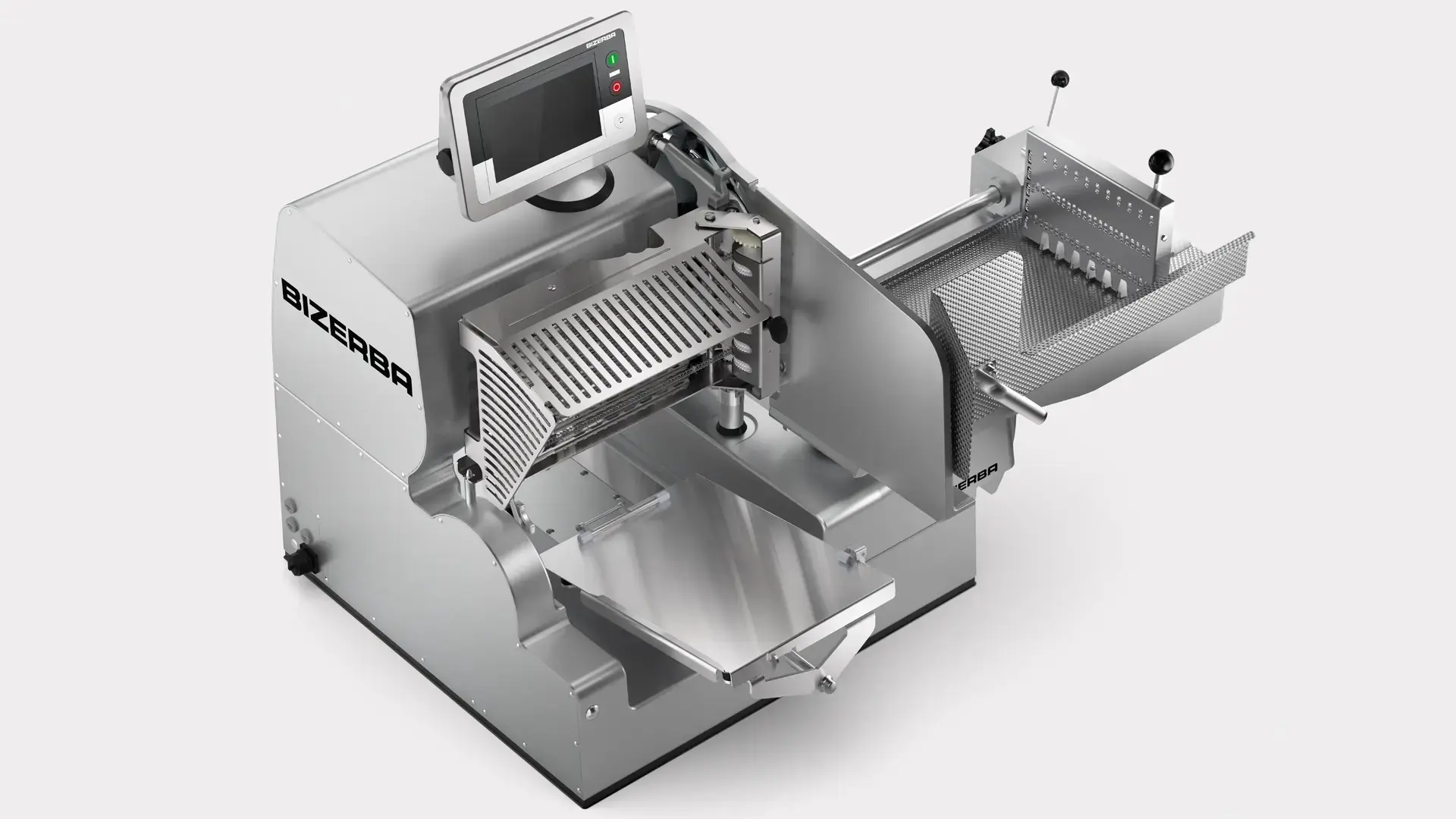
Ergonomic commercial slicershelp reduce operator fatigue by fitting natural hand and arm movements. This lowers strain during long hours of slicing. Comfortable grips and easy controls make the work less tiring.
These slicers also boost productivity. Operators slice faster and with better control. This leads to more slices in less time without losing quality.
Safetyimproves as well. Ergonomic designs often include features that protect hands and fingers. Guards and smooth operation reduce accidents in busy kitchens.
| Benefit | How It Helps |
|---|---|
| Reducing Operator Fatigue | Fits natural movements, reduces strain, comfortable grips |
| Enhancing Productivity | Faster slicing, better control, more output |
| Improving Safety | Protective guards, smooth operation, fewer accidents |
Credit: www.bizerba.com
Key Ergonomic Features To Consider
Look for slicers with adjustable components. They help fit different tasks. Adjustable knobs and levers make slicing easy. You can set the thickness of slices. This makes the slicer useful for many foods.
Controls should be simple and easy to understand. User-friendly controlssave time and effort. Buttons should be large and labeled clearly. This helps in using the slicer without confusion. Even first-time users will find it easy.
The slicer should have a good weight and balance. This prevents tipping over during use. A stable slicer is safer and more reliable. It should not be too heavy to move. Light enough to carry and store easily.
Choose a slicer with an easy cleaning design. Parts should be detachable. This makes washing simple and quick. Look for dishwasher-safe parts. Keeping the slicer clean ensures hygiene and long life.
Types Of Commercial Slicers
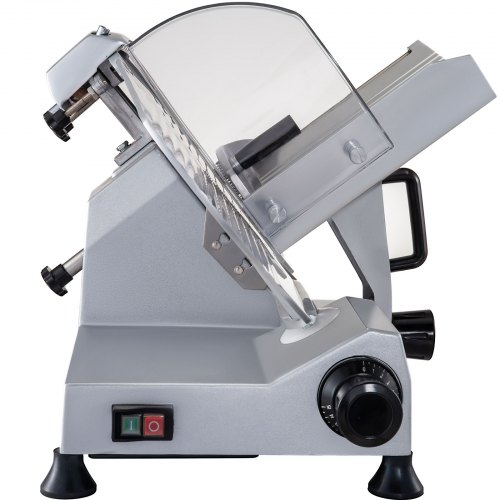
Manual slicersrequire physical effort. They are best for small tasks or low volume. Users control the speed and thickness by hand. These slicers are simple and easy to clean. They are usually less expensive but need more time to use.
Automatic slicerswork with electric power. They slice quickly and with consistent thickness. These are good for busy kitchens with high volume. They reduce effort and save time. Safety features are often included to protect users.
Semi-automatic slicerscombine manual and automatic parts. The blade spins automatically, but the user moves the food carriage. This offers more control than full automatic slicers. They balance speed and precision well.
Credit: www.vevor.ca
Material And Build Quality
Stainless steelis a top choice for slicer material. It offers excellent resistance to rustand corrosion, which keeps the machine safe and clean. The strong metal lasts longer even under heavy use, ensuring long-term durability. Its smooth surface also helps prevent food from sticking, making slicing easier and safer.
Durabilitydepends on the quality of the metal and the machine’s design. Thick, solid parts can handle daily use without breaking or bending. Look for machines with reinforced frames and strong joints to avoid frequent repairs.
Maintenanceis simpler with stainless steel. It cleans easily and does not need special chemicals. Regular wiping and occasional deep cleaning keep it working well. Avoid using harsh scrubbing tools that might scratch the surface.
Size And Capacity Considerations
Choosing the right commercial slicer means thinking about blade size, slice thickness, and workspace. Blades come in different sizes, usually from 8 to 14 inches. Bigger blades handle larger foods and more volume. Smaller blades suit lighter tasks and smaller spaces.
Slice thickness varies a lot. A good slicer offers a wide range, from very thin to thick slices. This helps prepare many types of food, like meats, cheeses, and vegetables. Easy adjustment controls are important for fast changes.
Workspace compatibility matters. Check the slicer’s size and weight. It should fit your counter space and be easy to move if needed. Some models come with built-in storage or compact designs to save room.
| Blade Size Options | Slice Thickness Range | Workspace Compatibility |
|---|---|---|
| 8″ to 14″ blades | Paper-thin to thick slices | Fits small to large counters |
| Sharp stainless steel | Adjustable thickness knob | Lightweight or built-in storage |
Budgeting For Ergonomic Features
Choosing a commercial slicer with ergonomic featuresmeans weighing the cost against the benefits. Ergonomic designs often cost more upfront but can reduce worker fatigueand increase productivity. This can save money in the long run.
Long-term savings come from fewer injuries and less downtime. A good slicer helps workers slice faster and with less effort. This lowers the risk of repetitive strain injuries.
| Factor | Benefit |
|---|---|
| Ergonomic design | Reduces strain and improves comfort |
| Durability | Lasts longer, lowering replacement costs |
| Warranty | Protects investment and reduces repair costs |
| Customer support | Helps fix issues quickly |
Check the warranty and supportoffered by the manufacturer. A good warranty covers parts and repairs. Support services can save time and money if problems arise.
Brands Known For Ergonomic Slicers
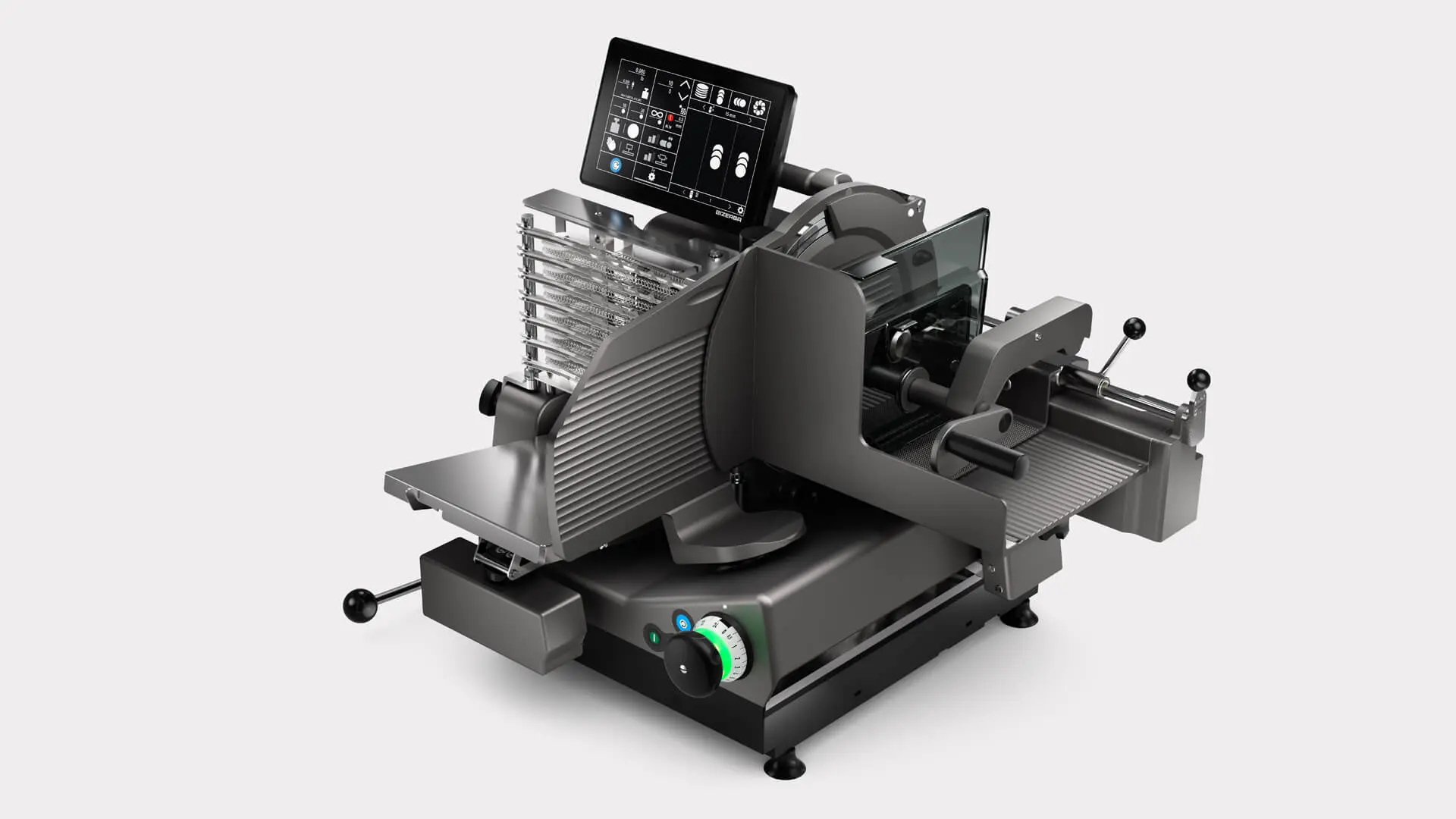
Top industry manufacturersfocus on slicers with ergonomic design. Brands like Bizerba, Hobart, and Globeare popular choices. These companies design slicers to reduce hand strain and improve safety.
Many customers rate these brands highly for comfort and ease of use. Their slicers often feature adjustable handles and smooth blade operation.
| Brand | Ergonomic Features | Customer Ratings |
|---|---|---|
| Bizerba | Adjustable handle, smooth blade | 4.5/5 |
| Hobart | Soft grip, easy controls | 4.3/5 |
| Globe | Comfort handle, safety lock | 4.4/5 |
Testing And Trial Tips
Hands-on demonstrations let you test slicers in real settings. Feel the weight and check how easy it is to use. Notice if the handles and controls fit comfortably in your hand. Watch how smoothly the blade moves and how safe it feels during use. Try slicing different foods to see how well it works.
Operator feedback is valuable. Ask workers about their comfort and ease of use. They can spot problems or benefits you might miss. Their opinions help find slicers that reduce strain and improve speed. Comfort leads to better work and fewer injuries.
Trial periods and returns give a chance to test slicers fully. Use the slicer for days or weeks before buying. Return it if it does not meet your needs. This reduces risk and ensures you choose the best slicer for your business.
Credit: www.bizerba.com
Frequently Asked Questions
What Is An Ergonomic Commercial Slicer?
An ergonomic commercial slicer is designed to reduce user strain and improve comfort. It features adjustable components for better posture and ease of use. This design helps prevent injuries during prolonged slicing tasks, increasing productivity and safety in commercial kitchens.
Why Choose An Ergonomic Design For Slicers?
Ergonomic slicers minimize physical strain and fatigue for users. They enhance efficiency by allowing smoother, more precise slicing motions. Choosing ergonomic designs promotes worker health and reduces the risk of repetitive stress injuries in busy commercial environments.
How To Identify Ergonomic Features In Slicers?
Look for adjustable thickness controls, comfortable handles, and stable bases. Non-slip feet and easy-to-clean surfaces also indicate ergonomic design. These features ensure safe, comfortable operation and quick maintenance, essential for commercial use.
Does Ergonomic Design Improve Slicer Safety?
Yes, ergonomic slicers reduce the risk of accidents by improving grip and control. Proper design supports natural hand movements, decreasing slips and cuts. Enhanced safety features protect both users and food quality.
Conclusion
Choosing a commercial slicer with an ergonomic design improves comfort and safety. It reduces hand strain and helps you work longer without fatigue. Focus on features like adjustable handles and easy-to-clean parts. A well-designed slicer saves time and effort in busy kitchens.
Remember, comfort matters as much as slicing precision. Take your time to find the right balance. This way, your slicer will support your daily tasks better and keep your workspace efficient.