
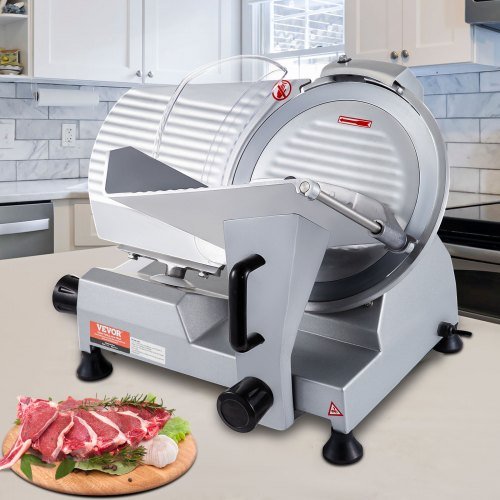
Choosing the right commercial slicer for your restaurant can make all the difference in your kitchen’s efficiency and food quality. You want a slicer that’s easy to use, reliable, and fits your specific needs.
But with so many options out there, how do you pick the perfect one? This guide will help you make a smart choice, so you can save time, reduce waste, and serve your customers better. Keep reading to discover the key factors you should consider before investing in a commercial slicer.

Credit: www.econolease.com
Types Of Commercial Slicers
Manual slicersrequire physical effort to cut food. They are usually cheaper and smaller. They work well for places with low slicing needs.
Electric slicersuse a motor to spin the blade. They are faster and need less effort. Ideal for busy restaurants with high slicing demands.
| Type | Description | Best For |
|---|---|---|
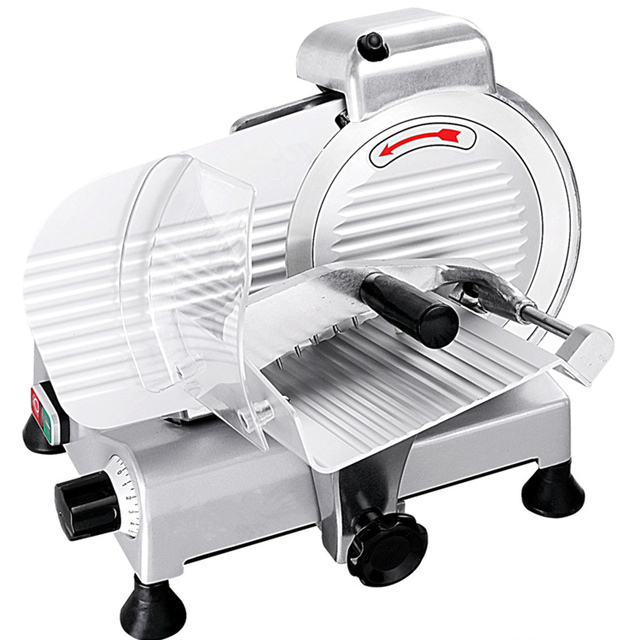
| Gravity Feed Slicers | Food slides down onto the blade by gravity. | Thick cuts of meat and large quantities. |
| Carriage Style Slicers | Operator moves food manually across a stationary blade. | Thin slices and delicate foods like cheese. |
Credit: www.accio.com
Key Features To Consider
Choose a slicer with durable blades and easy cleaning features. Consider size, power, and safety to fit your restaurant’s needs. Look for adjustable thickness and reliable brand support.
Blade Size And Material
A big blade cuts big food. Small blades are for small foods. Blade material matters too. Stainless steel is strong and lasts long. It also resists rust. Sharp blades cut food quickly and smoothly. Choose the right size and material for your needs.
Adjustable Thickness Settings
Different foods need different cuts. Adjustable thickness settings are important. Thick slices for bread. Thin slices for meats. You can change the thickness easily. This feature saves time and effort. It also helps in making perfect meals.
Safety Mechanisms
Safety is very important. Slicers can be sharp and dangerous. Look for safety locks and guards. These features protect your fingers. Non-slip feet keep the slicer steady. Safe slicers keep everyone safe in the kitchen.
Capacity And Usage Needs
Volume of slicingis key to choosing the right slicer. High-volume restaurants need machines with larger capacity and faster slicing speeds. Smaller places may do well with compact, slower models.
Frequency of useaffects slicer durability. Daily heavy use demands a strong, commercial-grade slicer. Occasional use allows for simpler, less costly options.
Space constraintsshould never be ignored. Measure available kitchen space before buying. Some slicers are bulky, while others fit neatly on counters.
- High volume: choose larger, faster slicers
- Low volume: smaller, slower models work
- Heavy use: pick durable commercial slicers
- Light use: basic slicers suffice
- Limited space: compact slicers are best
Credit: www.econolease.com
Maintenance And Cleaning
Choosing a commercial slicer with easy disassemblysaves time during cleaning. Parts that come apart quickly help keep the slicer hygienic and safe. Look for models with simple locks or buttons to remove the blade and other pieces.
Blade sharpening options matter. Some slicers have built-in sharpeners. These keep blades sharp and cutting smoothly. Sharp blades reduce effort and improve slice quality. Others need manual sharpening, which may take more time but can be more precise.
Durabilityand build qualityaffect long-term use. Stainless steel parts resist rust and wear. Strong motors handle heavy slicing without breaking. A sturdy frame prevents wobbling and keeps cuts even.
Budget And Cost Efficiency
Initial investmentis a key factor in choosing a slicer. Prices vary based on size, brand, and features. A higher upfront cost may mean better durability and performance.
Operating costsinclude electricity, blade sharpening, and maintenance. Choosing an energy-efficient model saves money over time. Regular sharpening keeps the slicer working well and extends its life.
| Warranty | Support |
|---|---|
| Look for a warranty that covers parts and labor. | Good customer support helps solve problems quickly. |
| Longer warranties often show higher product quality. | Check if support is available by phone or online. |
Top Brands And Models
Berkel, Hobart, and Globeare top brands for commercial slicers. They offer models with strong motors and sharp blades. These slicers handle tough jobs and last long in busy kitchens.
Popular models like the Berkel 826and Hobart Edge 12get good reviews for ease of use and smooth slicing. Users say these machines save time and cut evenly every time.
Experts suggest choosing slicers with safety features like blade guards and easy cleaning parts. Models with adjustable thickness settings suit many kitchen needs. Quiet motors help keep noise low during work.
- Strong motor for fast slicing
- Easy to clean and maintain
- Adjustable blade thickness
- Safety features to prevent accidents
- Durable build for heavy use
Frequently Asked Questions
What Factors Matter When Choosing A Commercial Slicer?
Key factors include slicer type, blade size, motor power, and safety features. Consider your menu needs and volume. Choose a slicer that matches your restaurant’s capacity and budget for best performance.
How To Determine The Right Slicer Blade Size?
Blade size affects slice thickness and food size capacity. Smaller blades suit deli meats, while larger blades handle bigger cuts. Match blade size to your primary slicing tasks for efficiency and precision.
Which Slicer Type Is Best For Restaurants?
Manual slicers offer control and are budget-friendly. Electric slicers provide speed and consistency, ideal for high-volume use. Choose based on your restaurant’s slicing volume and staff skill level.
How Important Is Slicer Maintenance For Restaurants?
Regular cleaning and blade sharpening ensure slicer safety and longevity. Proper maintenance prevents food contamination and mechanical issues. Schedule routine checks to keep your slicer efficient and safe.
Conclusion
Choosing the right commercial slicer improves your kitchen’s efficiency. Consider size, blade type, and safety features carefully. A good slicer saves time and keeps food fresh. Remember to check the machine’s ease of cleaning and maintenance. Think about your restaurant’s daily needs and volume.
This helps pick a slicer that fits your work style. A well-chosen slicer supports smooth kitchen operations every day. Take your time to compare options before deciding. Your restaurant deserves the best tool for slicing tasks.