
Choosing the right coffee beans for your pour-over can make all the difference in your cup. You want a brew that’s rich, smooth, and full of flavor—not bitter or flat.
But with so many options out there, how do you pick the perfect beans? This guide will help you discover exactly what to look for, so you can enjoy every single sip. Keep reading, and you’ll soon unlock the secret to making your pour-over coffee truly exceptional.
Bean Types
Arabicabeans offer a smooth, sweet taste with hints of fruit and sugar. They have less caffeine and are grown at higher altitudes. Robustabeans are stronger, bitter, and contain more caffeine. They grow at lower altitudes and are often used in espresso blends for a bold flavor.
Single origin beans come from one place. They show unique flavors from that area. Blends mix beans from different places. This creates a balanced taste. Choose single origin for distinct flavor. Pick blends for consistent taste.

Credit: thebasicbarista.com
Roast Levels
Light roastcoffee beans keep their original flavors. They taste fruity, floral, and bright. These beans have more acid and less bitterness. Light roasts work well for pour-over brewing because they show the bean’s true character. They often have a lighter color and dry surface.
Medium roastbeans balance acidity and body. They are smooth and rich with caramel and nutty notes. Medium roasts bring out more sweetness while keeping some brightness. This roast level suits many pour-over drinkers who want a balanced cup. The beans look brown with no oil on the surface.
Dark roastbeans have bold, smoky flavors. They taste bitter and less acidic. Dark roasts offer a heavier body and chocolate or burnt notes. These beans have a shiny, oily surface. Dark roasts are for those who like strong and deep coffee flavors in their pour-over.
Freshness Factors
Freshness greatly impacts the flavor of pour-over coffee. Choose beans roasted recently and stored in airtight bags with one-way valves to keep them fresh longer. Avoid beans that have been sitting on shelves for months.
Roast Date Importance
Freshnessis key for the best pour-over coffee. Coffee beans start to lose flavor soon after roasting. Choose beans with a roast dateprinted on the bag. Beans are freshest within two weeksafter roasting. Avoid beans roasted more than a month ago. Fresh beans give brighter, richer taste and better aroma.
Storage Tips
Store coffee beans in a cool, dark place. Use an airtight containerto keep air out. Avoid storing beans in the fridge or freezer. Moisture and odors can harm the beans’ flavor. Keep beans away from sunlight and heat. Only grind beans right before brewing to keep freshness.
Flavor Profiles
Fruity and floral notesgive coffee a bright and sweet taste. These beans often have hints of berries, citrus, or flowers. They make your cup lively and fresh.
Nutty and chocolatey tonesoffer a smooth and rich flavor. These coffees taste like almonds, hazelnuts, or dark chocolate. They feel warm and comforting.
Earthy and spicy hintsadd deep and bold flavors. You may find touches of wood, herbs, or pepper. These beans create a strong and unique cup.
Grind Size Impact
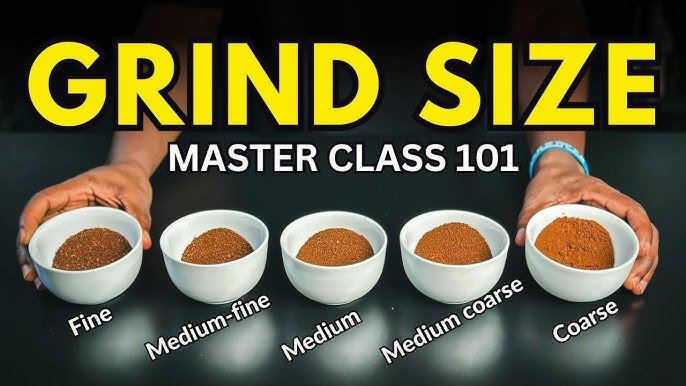
Grind sizeaffects how water flows through coffee grounds. Coarse grind means bigger pieces. Fine grind means very small pieces. Coarse grind lets water pass fast, causing a shorter brew time. Fine grind slows water down, giving a longer brew time.
Brew time changes the coffee taste. A short brew timecan make coffee weak. A long brew timecan make coffee bitter. You must adjust grind size to get the best taste.
| Grind Size | Brew Time | Effect on Coffee |
|---|---|---|
| Coarse | Fast | Light and weak flavor |
| Fine | Slow | Strong and bitter flavor |
- Use coarse grind for shorter brew time.
- Use fine grind for longer brew time.
- Adjust grind to balance taste and brew time.
Sourcing Beans
Local roasters know their coffee beans well. They often roast in small batches. This means fresh beans every time. Visiting them can be fun. You might even get to taste before buying. Ask questions about the bean origin and flavor notes. They can suggest beans perfect for pour-over. Supporting local roasters also helps your community. It’s a win-win for everyone.
Online stores offer a wide variety of beans. They often have rare and exotic beans. These stores provide detailed descriptions. You can read about the flavor profiles and origins. Some even offer reviews from other coffee lovers. This helps in choosing the best beans. Online shopping is convenient. Beans arrive right at your door. Just ensure they are freshly roasted before shipping.
Budget Considerations
Choosing coffee beans for pour-over depends on your budget. Higher-quality beans often cost more but offer better flavor. Balancing cost and taste helps find the best option for you.
Price Vs Quality
Choosing coffee beans can be tricky. Price often affects quality. Higher-priced beans might taste better. But not always. Sometimes, affordable beans surprise you. They can be very tasty too. It’s important to try different beans. Find what suits your taste and budget.
Investing In Quality Beans
Buying quality beans is a good idea. Fresh beans make better coffee. Check the roast date. Freshly roasted beans taste the best. Store beans in a cool, dry place. This keeps them fresh longer. A little extra cost can mean a lot in taste.
Credit: www.coffeeness.de

Credit: phillyfairtrade.com
Frequently Asked Questions
What Roast Level Is Best For Pour-over Coffee?
Medium roast is ideal for pour-over coffee. It balances acidity, body, and flavor, highlighting the beans’ unique characteristics. Light roasts can be too acidic, while dark roasts may taste bitter and mask subtle notes.
How Important Is Bean Freshness For Pour-over?
Freshness is crucial for pour-over. Fresh beans retain essential oils and aromas, enhancing flavor and aroma. Use beans roasted within the last two weeks for the best taste experience.
Should I Choose Single-origin Or Blend Beans?
Single-origin beans offer distinct, unique flavors from specific regions. Blends provide balanced, consistent taste profiles. Choose based on your preference for flavor complexity or consistency in pour-over coffee.
How Grind Size Affects Pour-over Brewing?
Grind size impacts extraction and taste. Medium to medium-fine grind allows optimal water flow and extraction. Too coarse leads to weak coffee; too fine causes over-extraction and bitterness.
Conclusion
Choosing the right coffee beans makes pour-over brewing enjoyable. Fresh, high-quality beans bring out the best flavors. Consider the roast level that suits your taste. Try small amounts before buying in bulk. Grind beans just before brewing for freshness. Experiment with different beans to find your favorite.
This simple care improves your coffee every time. Enjoy the process and the rich taste it creates. Your perfect cup starts with the right beans.