
Choosing the right blade size for your electric slicer can make a huge difference in how smoothly and efficiently you work. You might think all blades are the same, but the truth is, picking the perfect size can save you time, improve your cuts, and even keep you safer.
Wondering which blade fits your needs best? Keep reading, because by the end of this article, you’ll know exactly how to select the ideal blade size that matches your slicing tasks and helps you get the best results every time.
Credit: www.vevor.com
Blade Size Basics
Blade size affects the thickness and typeof slices. Small blades (6-8 inches) work well for thin, delicate cuts. Larger blades (10-12 inches) handle thick or large items easily.
| Blade Size (inches) | Best For |
|---|---|
| 6 – 8 | Thin slices, small fruits, cheese |
| 9 – 10 | Medium cuts, meats, vegetables |
| 11 – 12 | Large cuts, bread, big meats |
The material you slice matters. Hard items like frozen meat need a strong, sharp blade. Softer foods like bread or cheese work well with standard blades. Choose a blade that fits the material’s texturefor best results.
Slicing Needs
Different foods need different blade sizes. Bread needs a larger blade. This helps to cut through without crushing. For meats, a medium blade works well. It slices smoothly and neatly. Vegetables require smaller blades. They offer precision and control. Cheese often needs a special blade. It prevents sticking and ensures clean cuts.
Smaller portions need smaller blades. They give more control and precision. Larger portions need bigger blades. They cut through evenly and efficiently. Think about what you slice most often. Match the blade size to your regular needs. This way, slicing becomes easier and faster.
Machine Compatibility
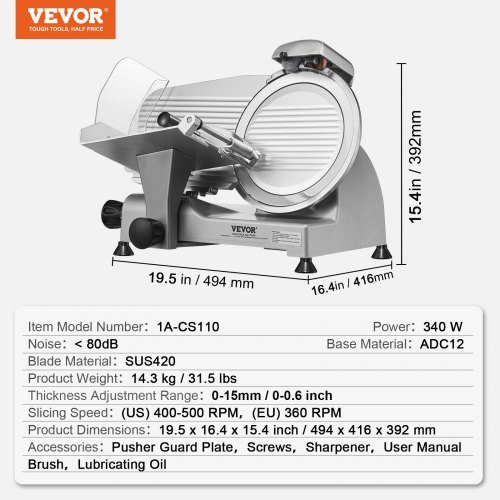
Each electric slicer model fits specific blade sizes. Check your slicer’s manual to find the right blade diameter. Using a blade that doesn’t fit can cause damageor poor slicing.
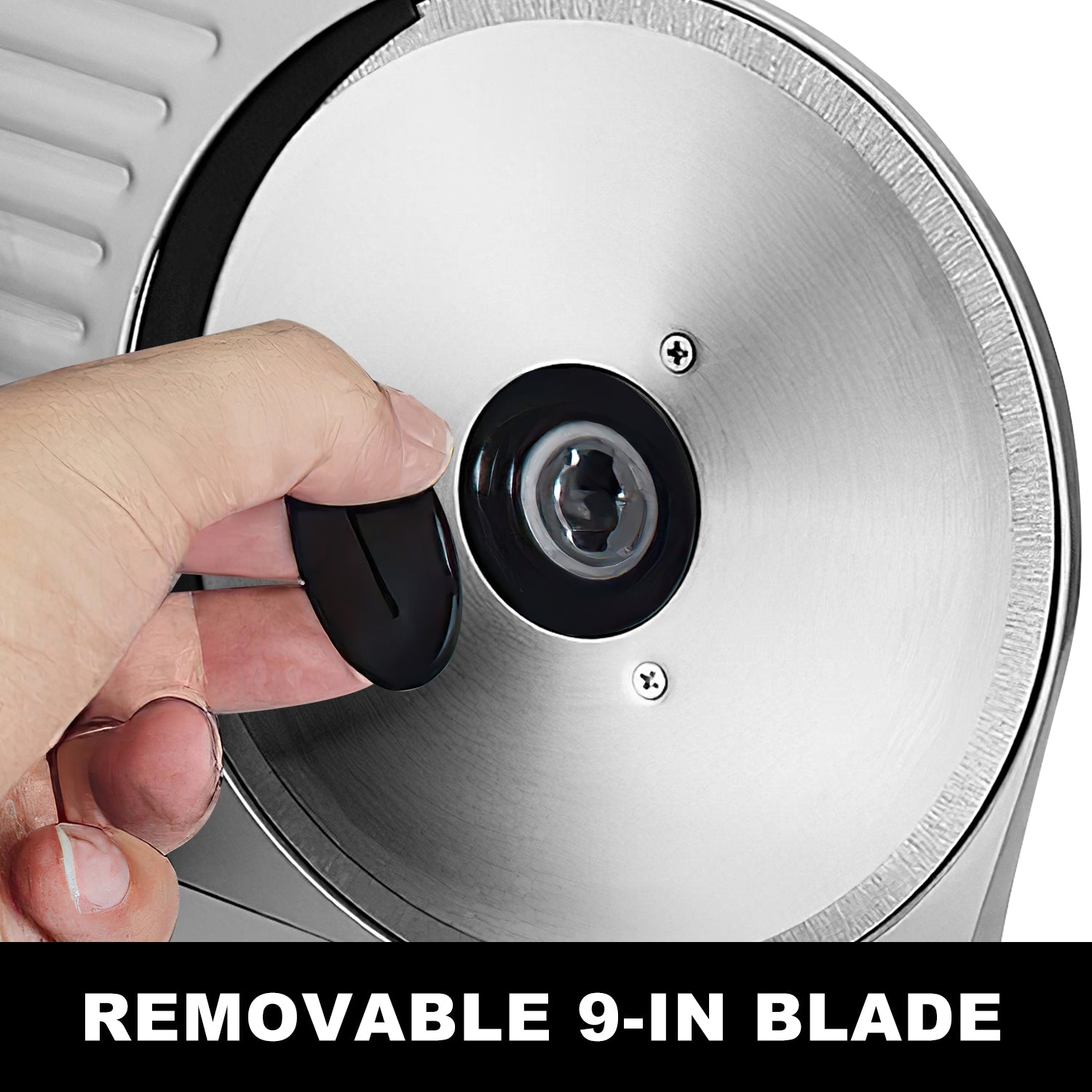
Blade attachment styles vary. Some blades attach with a screw, others use a clampor slot system. Knowing your slicer’s attachment helps in choosing the correct blade.
| Blade Attachment Type | Description | Compatibility Tip |
|---|---|---|
| Screw-on | Blade fastened by screws | Match screw size and position |
| Clamp | Blade held by clamping mechanism | Check clamp width and shape |
| Slot | Blade slides into slots | Measure slot dimensions carefully |
Blade Material And Durability
Choosing a blade made from high-quality steel ensures long-lasting sharpness and strength. Durable materials resist rust and damage, keeping slicing smooth and safe. Select a blade that matches your slicing needs for the best performance.
Stainless Steel Vs Carbon Steel
Stainless steelblades resist rust and stains well. They last long and need less care. Carbon steelblades are sharper and cut better but can rust if not dried properly. They need more care to keep sharp and clean. Choose stainless steel for easy maintenance. Pick carbon steel for sharp cuts but be ready to clean often.
Blade Maintenance Tips
- Clean blade after each use with warm water.
- Dry blade fully to stop rust.
- Sharpen blade regularly to keep it sharp.
- Store blade in a dry place.
- Avoid harsh chemicals; use mild soap instead.
Safety Features
Blade guards and covershelp protect users from cuts. They keep the sharp edge hidden when not in use. Always check that guards fit well and are not broken. This reduces the risk of accidents during slicing or cleaning.
Proper handling and storageare key to safety. Hold the slicer firmly and never touch the blade directly. Store the slicer in a dry place, away from children. Use blade covers to avoid damage and injuries.
Cost And Value
Blade size impacts the priceof an electric slicer. Smaller blades tend to be less expensivebut may not handle large jobs well. Larger blades cost more but can slice bigger amounts faster. Consider how often and how much you slice to find the right size for your budget.
Think of an electric slicer as a long-term investment. A bigger blade may cost more upfront but could save time and effort over years. Smaller blades might need replacing sooner if used heavily. Choose a size that fits your needs and offers good value over time.
Professional Vs Home Use
Heavy-duty slicingneeds require larger blades. These blades handle thick meats and large food items easily. They are common in professional kitchens where high volume slicing happens daily.
Large blades offer better speedand efficiency. They reduce the time needed to slice many items. Durability is key, as these blades face constant use.
Compact options suit home kitchens. Smaller blades are easier to store and clean. They work well for slicing bread, cheese, and small cuts of meat.
Home slicers focus on convenience and safety. They take up less space and use less power. Perfect for families and casual cooks.

Credit: borrelli.com.au
Credit: www.techwood.online
Frequently Asked Questions
What Blade Size Is Best For Home Electric Slicers?
A blade size between 7 to 9 inches is ideal for home use. It offers versatility for slicing meats, cheese, and vegetables efficiently. Smaller blades are easier to handle and clean, making them perfect for everyday kitchen tasks.
How Does Blade Size Affect Slicing Thickness?
Larger blades provide more stability, allowing thinner and more even slices. Smaller blades may struggle with uniform thickness. Choosing the right blade size ensures precise slicing, improving the appearance and texture of your food.
Can I Use Different Blade Sizes For Various Foods?
Yes, different blade sizes suit different foods. Larger blades work well for big cuts of meat. Smaller blades are better for delicate items like cheese or thin vegetables. Selecting the correct blade size enhances slicing performance and safety.
Is A Bigger Blade Better For Electric Slicers?
Not always. Bigger blades can handle larger items but may be harder to maneuver. Smaller blades offer more control and quicker operation. The best blade size depends on your typical slicing needs and kitchen space.
Conclusion
Choosing the right blade size makes slicing easier and safer. Think about what you slice most often. Bigger blades handle large foods well. Smaller blades work best for thin, delicate cuts. Match the blade size to your usual needs. This saves time and avoids waste.
Keep your slicer sharp and clean for best results. A good blade helps you cook and serve better. Simple steps lead to better slicing every time. Your meals will look and taste better too.