
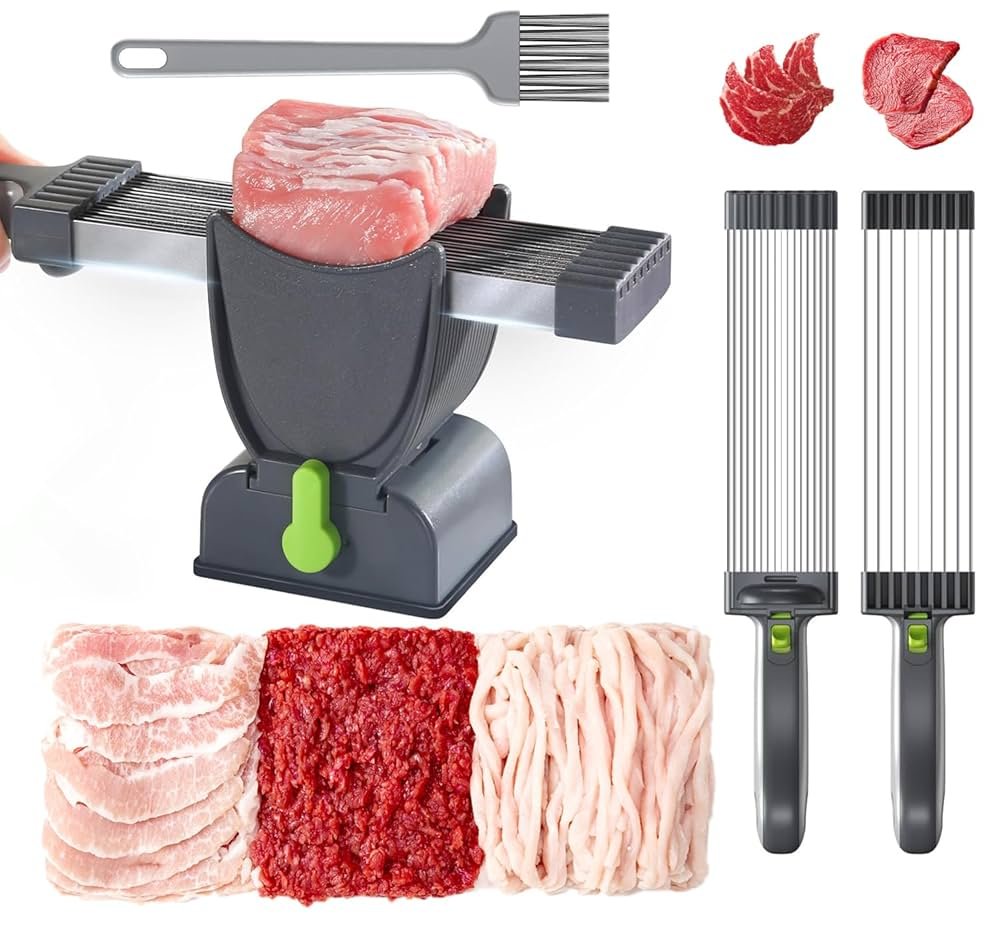
Choosing the right home meat slicer can change the way you prepare meals. Imagine slicing your favorite meats quickly, evenly, and with minimal effort every time.
But with so many options out there, how do you find the perfect one for your kitchen? This guide will help you discover exactly what to look for, so you get a slicer that fits your needs and makes your cooking easier and more enjoyable.
Keep reading, and soon you’ll be slicing like a pro.
Credit: www.walmart.com
Benefits Of A Home Meat Slicer
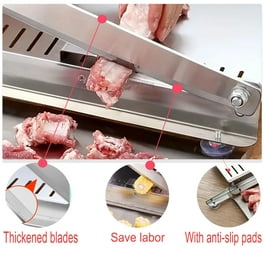
A home meat slicer gives consistent slicesevery time. This helps make sandwiches and meals look neat and uniform. Thin or thick cuts can be made easily without effort. It saves time by slicing quickly compared to using a knife. Slices are even, so cooking times stay the same for all pieces.
It is a time-saving kitchen tool. Slicing meat by hand takes longer and needs more skill. A slicer finishes the job faster and with less mess. This means more time for other cooking tasks or relaxing.
Using a slicer is cost efficient. Buying pre-sliced meat at the store costs more. Whole pieces of meat are cheaper and last longer. Slicing at home reduces waste and saves money in the long run.
Credit: www.vevor.ca
Types Of Meat Slicers
Home meat slicers vary by blade type, size, and motor power. Choosing depends on how often and what kind of meat you slice. Understanding these differences helps pick the right slicer for your kitchen needs.
Manual Vs Electric Slicers
Manual slicers need your hand to work. They are cheaper and don’t need power. Electric slicers are fast and easy. They can cut meat evenly. Choose electric for big tasks. For small tasks, manual is good.
Belt-driven Vs Gear-driven Models
Belt-driven slicers are quiet and smooth. They need more care. Gear-driven models are strong and last long. They cut through tough meat. But they can be noisy. Decide based on what you like more.
Portable Vs Full-size Options
Portable slicers are light and easy to move. They fit in small kitchens. Full-size slicers are big and powerful. They can handle a lot of meat. Choose portable for easy storage. Full-size is best for meat lovers.
Key Features To Consider
Blade sizeaffects the type of meat you can slice. Larger blades handle big cuts easily. The blade material should be rust-resistantand stay sharp longer. Stainless steel is a popular choice for durability.
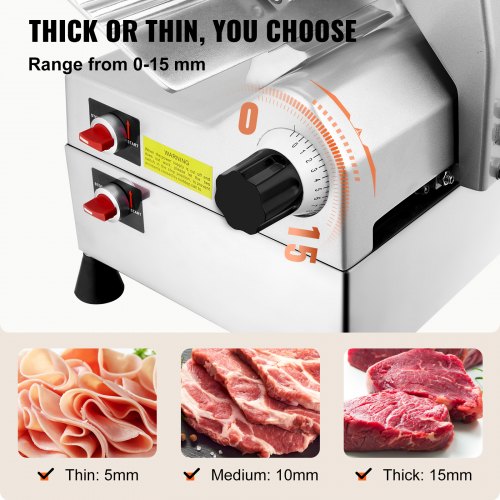
Adjustable thickness settingsallow slicing meat thin or thick. This feature offers more control over your cuts. Choose a slicer with easy-to-use thickness controls.
- Safety featureslike blade guards protect your fingers.
- Look for a slicer with a non-slip baseto keep it steady.
- Some models have a safety lockto stop the blade when not in use.
Ease of cleaningsaves time and keeps your slicer hygienic. Removable parts make cleaning simple. Avoid models with many small parts that are hard to reach.

Credit: www.amazon.ca
Choosing The Right Size
Counter spaceis key for a home meat slicer. Measure your kitchen area carefully. Pick a slicer that fits without cluttering your space.
Capacitydepends on how much meat you slice. For small families, a compact slicer works well. Larger families or frequent hosts might need a bigger model.
Weight and portabilitymatter if you move the slicer often. Lightweight models are easier to carry and store. Heavy slicers stay stable during use but can be hard to move.
Budget And Price Range
Entry-level meat slicers are usually the cheapest. They work well for small tasks. These models suit occasional use and light slicing. They often have smaller blades and simpler designs. Expect less power and fewer features.
Mid-range slicers offer better performance and more durability. They can handle frequent slicing and larger volumes. These models usually have stronger motors and adjustable blades. Price is moderate, balancing cost and quality.
High-end professional slicers are built for heavy use. They have powerful motors and sharp, large blades. These slicers offer precise cuts and many features. They are more expensive but last longer. Ideal for serious cooks or small businesses.
Tips For Using A Meat Slicer Safely
Always hold the slicer firmly with both hands. Keep fingers clear of the blade at all times. Use the provided guard to protect your hands while slicing. Do not force the meat; let the slicer do the work. Move the meat smoothly and steadily for even cuts.
Keep the blade sharp to slice safely and easily. Dull blades can slip and cause accidents. Regularly check the blade for sharpness and sharpen it as needed. Follow the manufacturer’s instructions for sharpening.
Clean the slicer after each use to avoid bacteria buildup. Use warm, soapy water and a soft cloth to clean all parts. Never immerse the entire slicer in water. Dry all parts thoroughly before storing.
| Cleaning Steps | Storage Tips |
|---|---|
| Unplug the slicer before cleaning. | Store in a dry place away from moisture. |
| Remove the blade carefully for cleaning. | Cover the blade with a protective sheath. |
| Wipe down the motor base with a damp cloth. | Keep the slicer out of reach of children. |
Maintenance And Troubleshooting
Clean the meat slicer after every use to keep it safe and sharp. Unplug the slicer before cleaning. Use warm soapy water and a soft cloth to wipe all parts. Dry the slicer well to stop rust. Never immerse the motor base in water.
Replace the blade if it becomes dull or chipped. Turn off and unplug the slicer first. Remove the blade cover carefully. Use the tool provided to loosen the blade screws. Replace with a new blade matching the size and type. Tighten screws firmly before use.
| Issue | Cause | Fix |
|---|---|---|
| Slicer won’t start | Power cord unplugged or damaged | Check the plug and cord; replace if needed |
| Blade won’t rotate | Motor jam or blade lock on | Turn off power, check for jams, and unlock blade |
| Uneven slices | Dull blade or incorrect thickness setting | Sharpen or replace blade; adjust thickness dial |
Frequently Asked Questions
What Features Should I Look For In A Home Meat Slicer?
Look for adjustable thickness, sharp blades, safety guards, and easy cleaning. Choose a slicer with a powerful motor for smooth slicing and durable materials for longevity.
How Do I Choose The Right Blade Size For Slicing Meat?
Blade size depends on your slicing needs. Smaller blades (7-8 inches) suit home use, while larger blades (10-12 inches) handle bigger cuts efficiently.
Is Electric Or Manual Meat Slicer Better For Home Use?
Electric slicers offer speed and ease, ideal for frequent use. Manual slicers are budget-friendly and suitable for occasional slicing and small portions.
How Important Is Safety In Selecting A Meat Slicer?
Safety features like blade guards, non-slip feet, and automatic shutoff are crucial. They prevent accidents and ensure safe operation during slicing.
Conclusion
Choosing the right home meat slicer makes cooking easier and more fun. Think about your needs, budget, and space before buying. Safety features and ease of cleaning matter a lot. A good slicer helps you cut meat evenly and saves time.
Take time to compare models and read reviews. This way, you get the best value for your money. A smart choice brings tasty meals and happy moments at home. Trust your judgment and enjoy slicing like a pro!