

When you’re standing by your grill, ready to sear the perfect steak or grill up some veggies, the last thing you want is to worry about getting burned. That’s where your trusty grill gloves come in.
But how can you be sure they can handle the heat? Knowing the heat resistance of your grill gloves isn’t just a nice-to-have—it’s essential for your safety and peace of mind. In this guide, you’ll discover simple, effective ways to check the heat resistance of your grill gloves, ensuring that you can focus on what really matters: cooking up delicious meals with confidence.
So, if you’ve ever wondered whether your gloves are up to the task, keep reading to find out how to test their limits and protect your hands from the flames.
Heat Resistance Basics
Grill gloves are made from different materialsto protect hands from heat. Common types include leather, silicone, and Kevlar. Leather is strong and heat-resistant but less flexible. Silicone offers good grip and heat protection. Kevlar is very heat-resistant and lightweight.
Temperature ratings show how hot gloves can safely handle. Most grill gloves protect from up to 400°F (204°C). Some high-quality ones resist heat up to 932°F (500°C). Check labels for exact temperature limits.
| Standard | Description | Heat Resistance |
|---|---|---|
| EN 407 | European norm for heat and flame protection | Tests gloves up to 500°C |
| ANSI/ISEA 105 | American standard for hand protection | Includes heat and thermal resistance |
| ISO 12127 | Measures heat contact resistance time | Time gloves withstand direct heat |

Credit: www.amazon.com
Testing Methods
Laboratory tests measure the heat resistance of grill gloves with high accuracy. Gloves are exposed to controlled heat sources. The time until damage or heat penetration is recorded. This process uses special machines and sensors. Results give clear safety limits. Manufacturers rely on these tests to meet standards.
Home testing is simple but less precise. You can try holding gloves near hot surfaces briefly. Check for heat passing through or discomfort. Use boiling water to test wet heat resistance carefully. Always avoid long contact to prevent burns. These tests give a quick idea but are not exact.
DIY tests have limits. They cannot measure exact heat levels or time safely. Results vary by glove type and test method. Home tests might miss small damages or weak spots. Laboratory tests are safer and more reliable. Use DIY tests only for basic checks or first impressions.
Key Features To Inspect
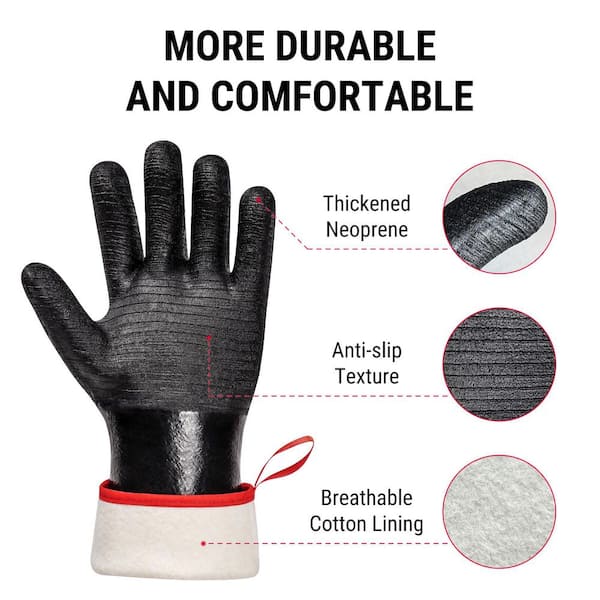
Insulation qualityis key for grill gloves to protect from heat. Look for gloves made with heat-resistant materialslike Kevlar or silicone. These materials keep your hands safe from burns.
Layering and thicknessadd extra protection. Gloves with multiple layersblock heat better. Thicker gloves last longer and feel safer when holding hot items.
| Feature | Why It Matters |
|---|---|
| Seam Strength | Strong seams stop gloves from tearing easily during use. |
| Layering | More layers mean better heat resistance and comfort. |
| Insulation | Good insulation keeps your hands cool and safe. |
Credit: www.homedepot.com
Signs Of Wear And Tear
Discoloration on grill gloves can mean they are worn out. Dark or faded spots show heat damage.
Cracks and holes lower the gloves’ protection. Heat can pass through these breaks easily.
Loss of flexibility makes gloves hard to use. Stiff gloves might tear more during cooking.
- Discoloration:Look for dark spots or fading.
- Cracks and Holes:Check for any breaks in the material.
- Loss of Flexibility:Test if gloves still bend easily.
Safety Tips For Use
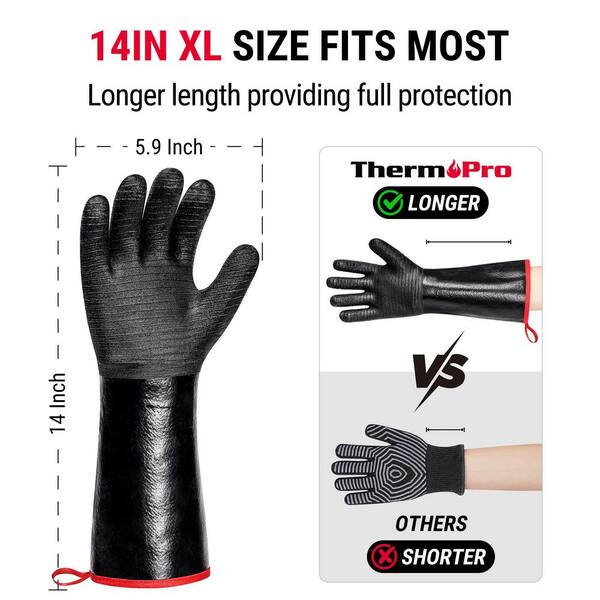
Proper glove fitis key for safety. Gloves that are too loose can slip, causing burns. Too tight gloves can reduce movement and comfort. Choose gloves that fit snugly but allow finger movement.
To avoid steam burns, keep hands away from rising steam. Lift lids slowly and tilt them away from your face. Use the glove’s heat-resistant parts to protect your skin.
- Always check gloves for holes or wear before use.
- Do not use gloves near open flames unless rated for fire.
- Keep gloves dry; wet gloves can cause heat to transfer quickly.
- Store gloves in a cool, dry place to keep material strong.
Credit: www.homedepot.com
Maintenance And Care
Cleaning grill glovesregularly keeps them safe and lasts longer. Use mild soap and warm water to clean dirt and grease. Avoid harsh chemicals that can damage the heat-resistant material. Let gloves air dry completely before storing them.
Proper storagehelps keep gloves in good shape. Store them in a cool, dry place away from direct sunlight. Avoid folding or crushing gloves to prevent damage to the heat-resistant layers.
| Signs to Replace Gloves | Reason |
|---|---|
| Visible holes or tears | Reduce heat protection |
| Burn marks or melted areas | Material weakened and unsafe |
| Loss of flexibility | Harder to grip hot items |
| Unpleasant odors after washing | Possible bacteria growth |
Recommended Grill Gloves
Top heat resistant grill glovesoffer strong protection against burns. They use special materialslike aramid fibers or silicone. These gloves can handle high temperatures up to 932°F (500°C). Many have long cuffsto guard wrists and forearms from hot sparks and flames.
Budget-friendly optionsprovide decent heat resistance for casual grilling. They use less expensive fabrics but still keep hands safe for short times. These gloves work well for home cooks who grill occasionally.
Specialty gloves for high heatare designed for serious grilling or smoking. They often have extra layersand are thicker. Some gloves are waterproof and heatproof, perfect for handling hot grills or open fires.
Frequently Asked Questions
How Can I Test The Heat Resistance Of Grill Gloves?
To test heat resistance, hold the gloves near a heat source safely. Check if they block heat without discomfort. Look for gloves with certified heat ratings for reliable protection.
What Materials Offer The Best Heat Resistance In Grill Gloves?
Materials like Kevlar, silicone, and leather provide excellent heat resistance. These materials resist high temperatures and protect hands during grilling or cooking.
How Long Should Grill Gloves Withstand Heat Exposure?
Good grill gloves should resist heat for at least 30 seconds to 2 minutes. This duration ensures safe handling of hot grills and cookware without burns.
Can Heat Resistance Be Measured By Glove Thickness?
Thickness can affect heat resistance but isn’t the only factor. Quality of material and glove design are more important for effective heat protection.
Conclusion
Checking the heat resistance of grill gloves keeps you safe while cooking. Always test gloves before using them with high heat. Look for labels or standards that show heat protection. Simple tests at home help find out how much heat gloves can handle.
Strong, heat-resistant gloves protect your hands from burns. Use gloves that fit well and feel comfortable. Good gloves make grilling easier and safer. Stay cautious and enjoy cooking with confidence.