
You rely on your gas grill to deliver delicious meals and great times with family and friends. But did you know that even a small gas leak can turn your grilling experience dangerous?
Checking your gas grill for leaks is a simple step that can protect your safety and keep your cookouts worry-free. You’ll learn easy, effective ways to spot leaks before they become a problem. Keep reading to ensure your grill is safe and ready to fire up every time.

Credit: www.amazon.ca
Signs Of Gas Leaks
Gas leaks from your grill can be dangerous. It is important to know the signs early.
Detecting leaks helps you avoid accidents and keep your grill safe to use.
Smell And Sound Alerts
You can often smell or hear gas leaks before seeing any damage. The gas used in grills has a strong odor added to it.
- A smell like rotten eggs or sulfur means gas is leaking.
- You may hear a hissing or whistling sound near the gas connections.
- Listen carefully around the hose and regulator for unusual noises.
- If you smell gas or hear hissing, turn off the grill immediately.
Visual Indicators
Look closely at your grill and gas lines for any signs of leaks or damage.
| Visual Sign | What to Check | Why it Matters |
| Cracked or worn hose | Look for splits or cracks in the hose | Gas can escape through damaged hoses |
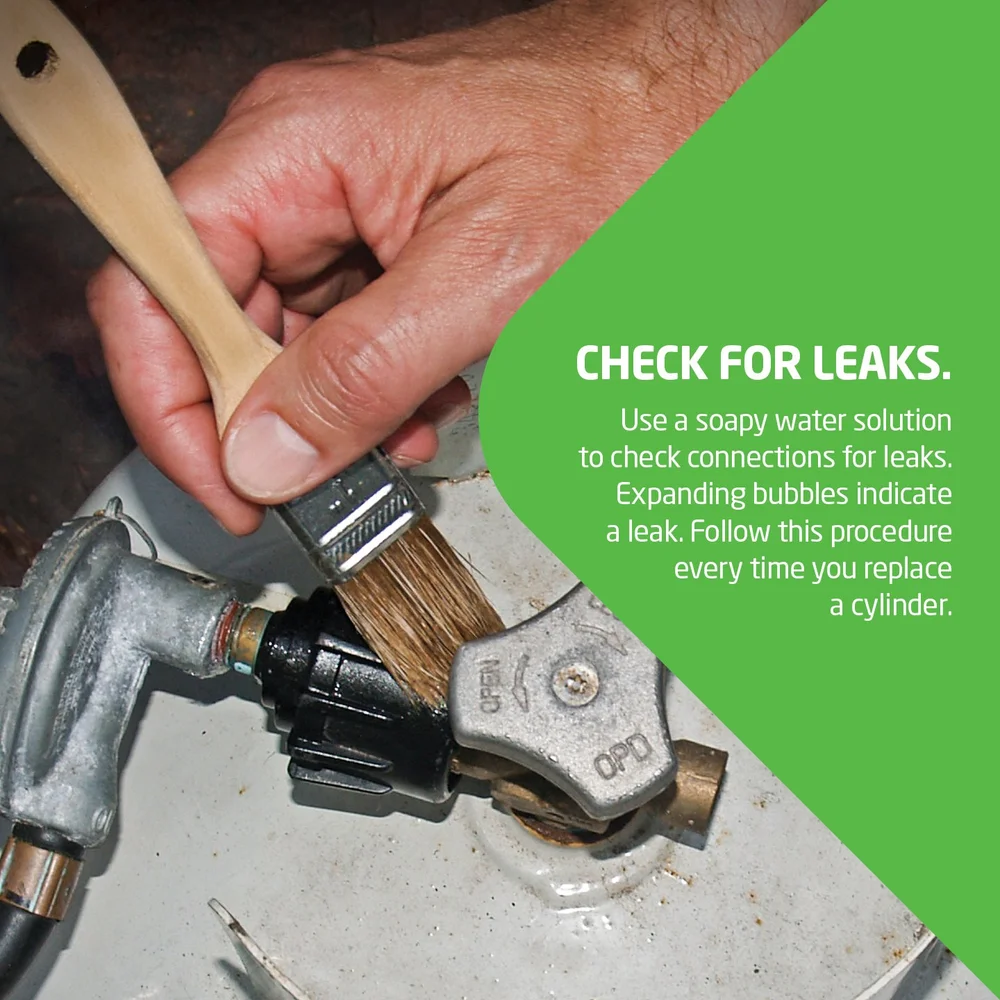
| Soapy bubbles | Apply soapy water to joints and watch for bubbles | Bubbles show where gas is leaking |
| Rust or corrosion | Check metal parts for rust or corrosion | Damaged metal can cause leaks |
| Loose connections | Make sure all fittings are tight and secure | Loose parts allow gas to escape |
Tools Needed
Checking your gas grill for leaks is important for safety. Using the right tools makes the job easier and safer.
Below are the main tools you need to find leaks on your gas grill.
Soap And Water Solution
A soap and water solution helps spot gas leaks by creating bubbles at the leak points. It is a simple and effective tool.
You can make this solution by mixing a small amount of dish soap with water in a spray bottle or a bowl.
- Dish soap
- Water
- Spray bottle or brush
Leak Detection Sprays
Leak detection sprays are ready-made solutions for finding gas leaks. They bubble up when gas escapes from the grill.
These sprays are easy to use and save time. Spray the solution on hose connections and valves to check for leaks.
- Pre-mixed leak detection spray
- Spray applicator
- Instructions on the label
Safety Gear
Wearing safety gear protects you while checking for leaks. Gas can be dangerous if it catches fire or causes irritation.
Use gloves and eye protection to stay safe during the inspection.
- Protective gloves
- Safety glasses
- Work clothes that cover your skin
Preparing The Grill
Checking your gas grill for leaks is important for safety. Before testing, you need to prepare the grill properly.
Preparing includes turning off the gas and inspecting the hoses closely. These steps help you find any problems early.
Turn Off Gas Supply
Always turn off the gas supply before starting any inspection. This stops gas from flowing and keeps you safe.
Close the valve on the propane tank or gas line completely. Make sure no gas can escape during your check.
Disconnect And Inspect Hoses
Next, disconnect the hoses from the gas source and the grill. This helps you check them for cracks or damage.
Look closely for holes, hard spots, or signs of wear. Replace any damaged hoses to prevent leaks.
- Check for cracks or holes along the hose
- Feel for stiff or soft areas
- Replace hoses that look worn or damaged
Applying Leak Test Solution
Checking your gas grill for leaks is very important for safety. You need to apply a leak test solution to find any gas leaks.
This solution helps you see bubbles where gas escapes. It is easy to make and use at home.
How To Mix Soap Solution
Mixing a soap solution is simple. You only need water and liquid soap to make it.
Use dish soap because it creates good bubbles. Avoid strong detergents that may not foam well.
- Fill a spray bottle or bowl with one cup of water
- Add one tablespoon of liquid dish soap
- Stir gently or shake the bottle to mix
Where To Apply The Solution
Apply the soap solution to areas where gas could leak. These spots include connections and hoses.
Turn the gas on lightly to check for bubbles. If bubbles appear, there is a leak that needs fixing.
- Gas regulator connections
- Hose fittings
- Valve connections
- Burner tubes
Observing For Bubbles
Checking a gas grill for leaks is important for safety. One simple way is to look for bubbles.
Bubbles show where gas might be escaping from the grill’s connections or hoses.
Detecting Small Leaks
Apply soapy water to the gas connections and hoses. Use a spray bottle or a brush.
Turn on the gas slowly without lighting the grill. Watch carefully for any bubbles forming.
- Small bubbles mean tiny leaks
- Look near the regulator, hose, and tank connection
- Bubbles may be hard to see in bright light
- Check all fittings and joints
What To Do If Bubbles Appear
If you see bubbles, do not use the grill. Turn off the gas immediately.
Fix the leak by tightening the connection or replacing damaged parts. If unsure, ask a professional.
- Turn off the gas supply
- Do not light the grill
- Check for loose or cracked hoses
- Replace faulty parts before use
- Test again with soapy water after repairs
Credit: monumentgrills.com
Additional Leak Detection Methods
Checking your gas grill for leaks is important for safety. Besides the soap and water test, you can use other ways to find leaks.
These methods help you detect leaks more easily and keep your grill safe to use.
Using Electronic Gas Detectors
Electronic gas detectors sense the presence of gas in the air. They can find leaks faster than soap and water.
These devices beep or light up when they detect gas near your grill connections or hose.
- Turn on the detector and bring it close to the gas line
- Move it slowly along the hose and connections
- Listen or watch for alarms or lights
- If you detect gas, turn off the grill and fix the leak
Professional Inspection Services
If you are not sure about checking leaks, hire a professional. Experts use special tools and skills to find leaks safely.
They also fix leaks and give advice on grill safety. This can save you time and prevent accidents.
Fixing Detected Leaks
Finding a gas leak on your grill can be dangerous. Fixing leaks quickly keeps you safe.
Leaks often happen at connection points or worn parts. You can fix these yourself.
Tightening Connections
Loose connections cause most gas leaks. Check all nuts and fittings carefully.
Use a wrench to tighten each connection. Do not over-tighten to avoid damage.
- Turn off the gas supply before you start
- Use soapy water to test connections after tightening
- Look for bubbles that show leaks
- Tighten again if you see bubbles
Replacing Damaged Parts
Old or cracked hoses and fittings can cause leaks. Replace any damaged parts.
Buy parts that match your grill model. Install them carefully following instructions.
- Turn off and disconnect the gas supply
- Remove the damaged hose or part
- Attach the new part securely
- Test for leaks using soapy water
Preventive Maintenance Tips
Checking your gas grill for leaks is important for safety. Regular maintenance keeps the grill working well.
Small leaks can cause big problems. Find leaks early to avoid accidents and save money.
Regular Inspection Schedule
Check your gas grill before each use. Look at hoses, connections, and valves for damage or wear.
Use a soap and water mix to test for leaks. Bubbles show where gas is escaping.
- Inspect hoses for cracks or holes
- Check connections are tight and secure
- Look for rust or damage on valves
- Test for leaks with soap water solution
- Replace any damaged parts immediately
Proper Storage Practices
Store your gas grill in a dry place when not in use. Moisture can damage hoses and metal parts.
Keep the grill covered with a weatherproof cover. This protects it from rain, dust, and dirt.
- Disconnect the propane tank before storing
- Keep the grill away from direct sunlight
- Use a grill cover to protect from weather
- Store hoses separately if possible
- Check for damage before using after storage
Safety Precautions
Checking your gas grill for leaks is an important safety task. It helps prevent accidents and fires. Always follow safety rules before testing your grill.
Use simple steps to keep yourself and others safe. These tips focus on working in safe areas and avoiding risks during the test.
Working In Well-ventilated Areas
Always check your gas grill outdoors or in a place with good airflow. This stops gas from building up, which can cause explosions or breathing problems.
- Test your grill outside away from walls and roofed areas
- Keep windows and doors open if testing near a building
- Do not test in garages or enclosed spaces
- Make sure wind can carry away any gas leaks
Avoiding Open Flames During Testing
Never use matches, lighters, or any flame near your grill when checking for leaks. Sparks can ignite gas and cause fires or explosions.
| Do Not Use | Safe Alternative |
| Open flames like matches or lighters | Use soapy water solution to find leaks |
| Lighting grill before testing | Keep grill valves closed during leak check |
| Smoking or sparks nearby | Move away from grill area until testing is done |

Credit: www.amazon.ca
Frequently Asked Questions
How Do You Test A Gas Grill For Leaks?
To test your gas grill for leaks, apply soapy water to the connections. Turn on the gas and watch for bubbles. Bubbles indicate a leak. Always check hoses, valves, and connections. If you find a leak, turn off the gas immediately and fix the issue before using the grill again.
What Causes Gas Grill Leaks?
Gas grill leaks are often caused by worn or damaged hoses. Loose connections can also lead to leaks. Over time, these parts can degrade from exposure to weather and heat. Regular maintenance and inspections help prevent leaks and ensure safe grilling.
How Often Should I Check For Leaks?
You should check your gas grill for leaks before each use. Regular inspections ensure safety and prevent accidents. If you use your grill frequently, a weekly check is advisable. Always perform a thorough check at the start of the grilling season.
Can A Leaking Gas Grill Explode?
Yes, a leaking gas grill can potentially explode. Accumulated gas can ignite if exposed to a flame or spark. Always check for leaks before use. If you smell gas or suspect a leak, turn off the gas immediately and ventilate the area.
Conclusion
Checking your gas grill for leaks keeps you safe and your grill working well. Use soapy water and watch for bubbles carefully. Fix any leaks before you start cooking. Regular checks prevent accidents and save money on repairs. Stay alert and never ignore strange smells or sounds.
A safe grill means better meals and more fun outdoors. Keep these steps in mind every time you use your grill. Safety first, always.