
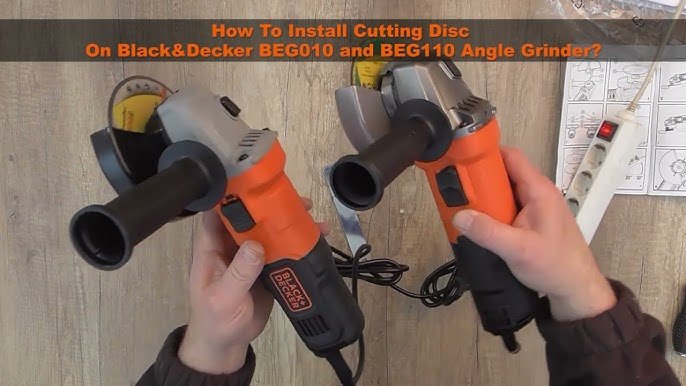
Changing the blade on your angle grinder might seem tricky, but it’s easier than you think. Whether you’re cutting metal, tile, or stone, having the right blade is key to getting the job done safely and smoothly.
In this guide, you’ll learn simple, step-by-step instructions to swap out your blade quickly and confidently. Keep reading to save time, avoid mistakes, and get your angle grinder working like new again.

Credit: www.youtube.com
Tools Needed
Gathering the right toolsmakes changing a blade easier and safer.
- Safety glassesto protect your eyes from sparks and debris.
- Work glovesto keep your hands safe and steady.
- Blade wrenchor spanner, usually comes with the grinder.
- New bladethat fits your angle grinder model.
- Brushor cloth to clean the grinder before fitting the new blade.
Having these tools ready helps avoid mistakes and saves time.
Safety First
Always unplugthe angle grinder before changing the blade. This prevents accidental starts that can cause injury. Wear protective glovesto keep your hands safe from sharp edges. Use eye protectionto guard against flying debris. Make sure the grinder is on a stable surface to avoid slipping. Check the blade for any cracks or damage before fitting it. Never force the blade onto the grinder. Use the correct wrenchor tool made for your grinder to remove the old blade. Keep your hands away from the blade while tightening or loosening it. Follow all safety instructions from the tool’s manual. Safety is the most important part of the blade change process.
Prepare The Grinder
Unplug the angle grinder from the power source to avoid accidents. Wear protective glovesand safety glasses before starting. Use the wrench that comes with the grinder to lock the spindle in place. This stops the blade from moving while you change it. Clean the area around the blade to remove dust and debris. Make sure the grinder is on a stable surface. Check the blade guard and adjust it if needed. Keep your workspace clear of anything that can cause trips or falls. Always handle the blade carefully to avoid cuts.

Credit: www.familyhandyman.com
Remove The Old Blade
First, make sure the angle grinder is unpluggedor the battery is removed. This is very important for safety. Hold the grinder firmly and press the spindle lock button. This will stop the blade from turning.
Use a wrenchto turn the blade nutcounterclockwise. If the nut is tight, try using more force carefully. Remove the nut and the old bladefrom the grinder.
Check the inside flangefor dirt or damage. Clean it if needed. Keep the blade and nutin a safe place if you want to reuse them.
Select The Right Blade
Choosing the correct blade is essentialfor safe and effective cutting. Different blades suit different materials like metal, wood, or tile. Using the wrong blade can cause damage or injury.
Check the blade size to match your angle grinder’s specifications. Most grinders use 4.5-inch or 7-inch blades. The blade type is also important:
- Abrasive discsfor metal cutting and grinding.
- Diamond bladesfor cutting hard materials like tile or stone.
- Wood cutting bladesdesigned for smooth cuts on wood.
Look for blades with the right speed rating. Blades must handle the grinder’s maximum RPM safely. Always choose blades from trusted brandsto ensure quality and safety.
Install The New Blade
Make sure the grinder is unplugged or the battery is off. Place the new blade on the spindle. The hole of the blade must fit the spindle perfectly. The side marked “outside” should face away from the grinder. Hold the blade in place and put the flange nut back on. Tighten the nut with the wrench that came with your grinder. Do not over-tighten; just make it snug. Check that the blade spins freely without touching other parts. Always wear gloves to protect your hands while handling the blade. Double-check the blade is secure before turning on the grinder. Safety first!
Secure The Blade
Ensure the angle grinder is unplugged before starting. Use the wrench provided with the tool to loosen the flange nut holding the blade. Turn the nut in the opposite direction of the blade rotation. Hold the blade steady to prevent it from spinning. Remove the old blade carefully and place the new blade on the spindle, aligning the hole with the shaft. Tighten the flange nut securely but do not overtighten, as it could damage the blade. Make sure the blade is firmly fixed and does not wobble. Check that the guard is in place before use. Safety first to avoid accidents.
Test The Grinder
Before changing the blade, test the grinderto ensure it works well. Make sure the tool is unpluggedor the battery is removed for safety. Turn the grinder on and listen for any unusual sounds. Check for vibrationsor smoke, which can mean a problem.
Wear safety gogglesand gloves during testing. Hold the grinder firmly and let it reach full speed. This helps check if the motor and switchare working correctly. If the grinder runs smoothly, it is safe to change the blade.
Common Mistakes To Avoid
Avoid using the wrong blade size. It can cause damage or accidents. Never skip unplugging the grinder before changing the blade. This prevents accidental starts.
Do not force the blade onto the grinder. It should fit easily and securely. Avoid using a blade that is cracked or bent. This can break during use.
Check that the blade is tight but not over-tightened. Over-tightening can damage the tool or blade. Always use the correct wrench for loosening and tightening.
Do not touch the blade right after use. It can be very hot. Always wear safety gloves to protect your hands.
- Use the right blade for the material you cut.
- Keep the guard in place before using the grinder.
- Inspect the grinder for damage regularly.
- Store the grinder and blades in a dry place.
Maintenance Tips
Always unplug the angle grinder before starting any maintenance work. This prevents accidents and ensures safety. Use the correct wrench to loosen the blade nut carefully. Avoid forcing the blade off to prevent damage to the tool or yourself.
Check the new blade for any cracks or damage before fitting it. Secure the blade firmly but do not over-tighten. Over-tightening can cause the blade to warp or the nut to strip.
- Wear gloves to protect your hands from sharp edges.
- Keep the workspace clean and free of clutter.
- Use blades that match the grinder’s size and type.
- Inspect the grinder regularly for signs of wear.
- Store blades in a dry place to prevent rust.

Credit: m.youtube.com
Frequently Asked Questions
How Do I Safely Change An Angle Grinder Blade?
First, unplug the grinder. Use the wrench to loosen the flange nut. Remove the old blade carefully. Install the new blade, tighten the nut securely, and check for stability before use.
What Tools Are Needed To Change An Angle Grinder Blade?
You need a wrench or spanner, usually included with the grinder. Sometimes, a locking pin is required to hold the blade. Always have safety gloves and eye protection ready before starting.
How Often Should I Replace My Angle Grinder Blade?
Replace the blade when it shows signs of wear, damage, or reduced cutting efficiency. Using a dull blade can cause accidents and damage the grinder. Regular inspection ensures safe and optimal performance.
Can I Use Any Blade On My Angle Grinder?
No, use blades compatible with your grinder’s size and speed rating. Check the manufacturer’s specifications to avoid accidents and ensure efficient cutting. Using the wrong blade can cause damage and injury.
Conclusion
Changing the blade on an angle grinder is simple and safe. Always unplug the tool before starting. Use the right wrench to loosen the flange nut. Replace the old blade carefully with a new one. Tighten the nut firmly but don’t overdo it.
Check that the blade spins freely before use. Following these steps keeps your tool working well. Take your time and stay safe while working. Now, you can handle blade changes with confidence.