
Are you ready to unlock the secret to a lifetime of delicious meals? Cast iron cookware is more than just a kitchen tool; it’s a culinary tradition passed down through generations.
But to truly enjoy its benefits, you need to know how to care for it properly. Imagine the satisfaction of cooking a perfect dish every time, with flavors that develop and deepen thanks to your well-maintained cast iron. In this guide, you’ll learn simple, effective techniques to keep your cookware in top condition, enhancing your cooking experience and ensuring your meals are always a hit.
Stay with us, and discover how just a little care can lead to culinary masterpieces in your kitchen.
Choosing The Right Cast Iron Cookware
Quality cast iron feels heavy and solid. It should have a smooth surface. Look for consistent color and no cracks. Avoid cookware with rough edges. Newer cast iron often has a shiny finish. Older pieces may look dull. Both can be good. Always check for rust. A little rust can be removed. Deep rust may damage the pot.
There are skillets, Dutch ovens, and griddles. Skillets are great for frying. Dutch ovens work well for soups. Griddles are flat and perfect for pancakes. Cast iron pans come in different sizes. Choose a size that fits your stove. Some have an enameled coating. These do not need seasoning. Regular cast iron needs care and seasoning.
Seasoning Your Cast Iron
Seasoning keeps cast iron cookware non-stick and rust-free. Rub a thin layer of oil on the surface. Bake it to create a protective coating. Proper care ensures your cast iron lasts for years.
Why Seasoning Matters
Seasoning is like a protective coat for your cast iron. It keeps food from sticking and helps the pan last longer. Without seasoning, your pan can rust and get damaged. A good seasoning can also make cooking easier and more fun. It’s important to keep your pan well-seasoned for the best cooking results.
Step-by-step Seasoning Guide
- Wash the pan with warm water.
- Dry the pan completely using a towel.
- Apply a thin layer of vegetable oil.
- Rub the oil all over the pan with a cloth.
- Place the pan upside down in the oven.
- Heat the oven to 375°F (190°C).
- Bake the pan for one hour.
- Turn off the oven and let it cool.
Repeat these steps if needed. A shiny surface means it’s well-seasoned!
Cleaning After Use
Soapcan harm the surface of cast iron. It’s better to use warm water. Dishwashersshould be avoided too. They can cause rust.
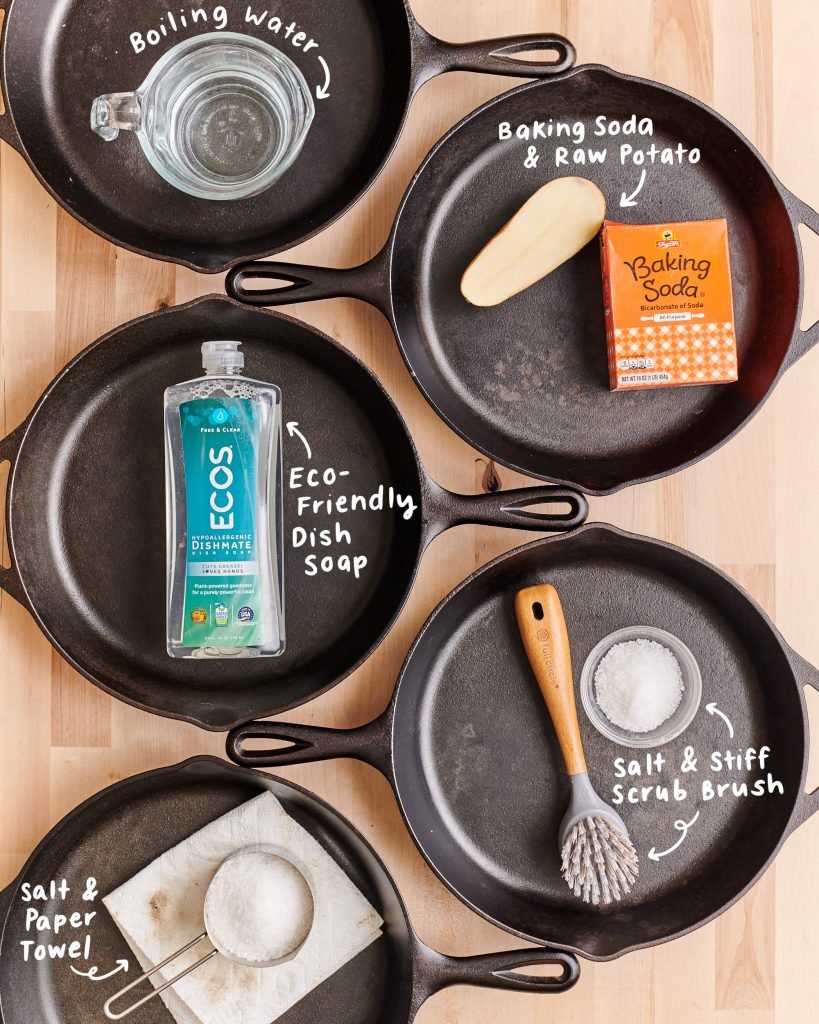
Use salt and water for cleaning. Salt

Credit: m.youtube.com
Proper Storage Techniques
Ensure cast iron cookware lasts by storing it in a dry place. Avoid stacking to prevent damage. Use paper towels to absorb moisture and maintain seasoning.
Preventing Rust
Rust is a big enemy of cast iron cookware. Always keep your cookware dry. Moisture can cause rust quickly. After washing, dry the pan with a towel. For extra care, place it on a warm stove. This removes all moisture. A thin layer of oil can also help. Rub a little oil on the surface. This creates a protective shield against rust. It’s like wearing a raincoat on a rainy day.
Storing In A Dry Place
The storage place must be dry. Avoid damp cupboards or shelves. Humidity invites rust. Use a dry cupboard or hang on a rack. This keeps air circulating around the cookware. A paper towel can help too. Place it between stacked pans. It absorbs moisture and keeps the pans safe. Your cookware will stay happy and rust-free.
Cooking Tips
Preheating Cast Ironis important for good cooking. Start with low heat. Slowly increase to medium. This helps the pan heat evenly. Never rush preheating. It can damage your pan. Use your hand to feel the warmth. A gentle warmth means the pan is ready. Remember, patience is key.
Cooking with Oil and Fatsis essential for cast iron. Use a little oil. It prevents food from sticking. Olive oil or vegetable oil are good choices. Butter works too. Heat the oil before adding food. This makes food crisp and tasty. Avoid using too much oil. It can make food greasy. Learn to use the right amount.
Credit: abeautifulmess.com
Troubleshooting Common Issues
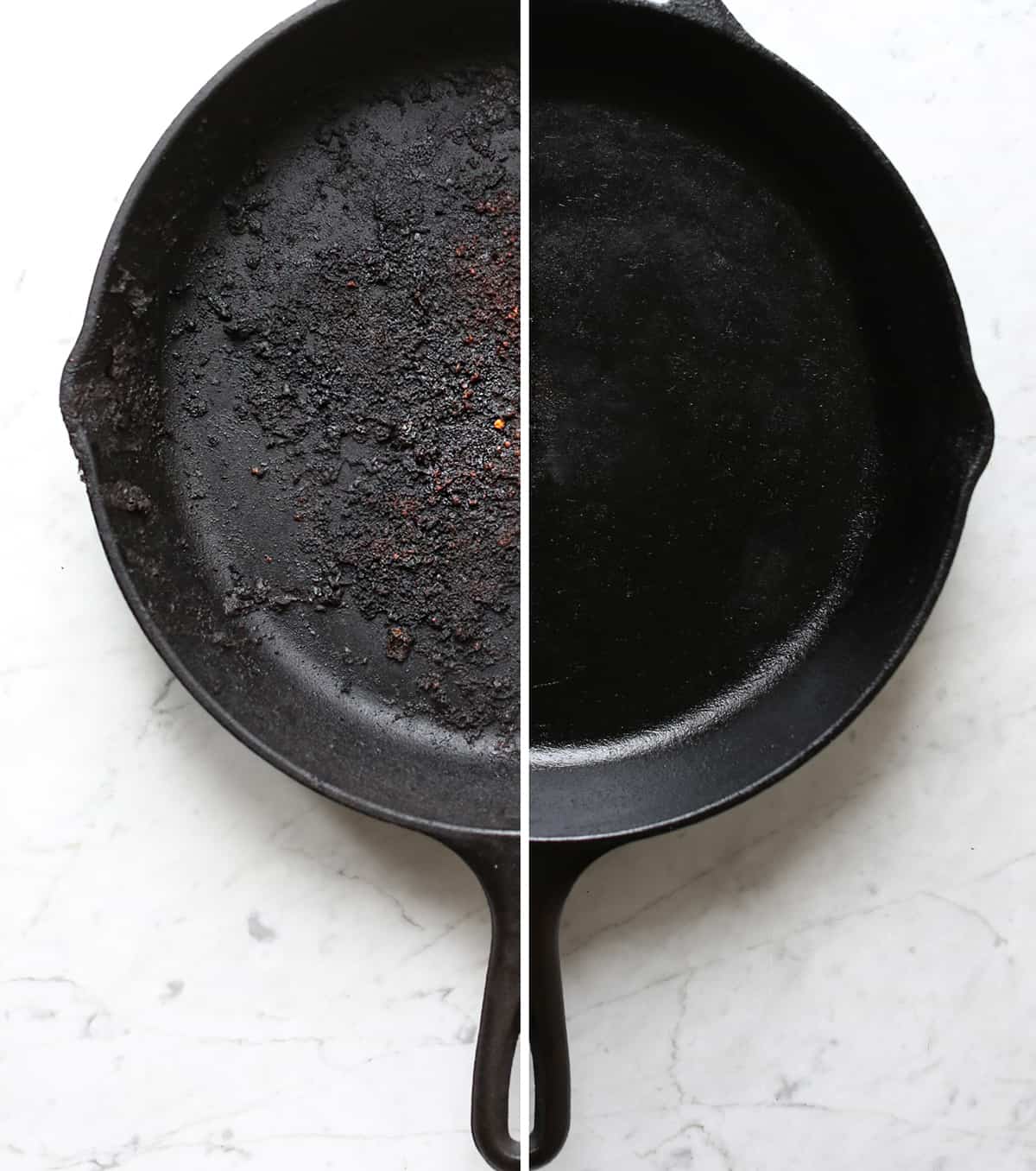
Food sticks if the pan is not seasoned well. Seasoning makes the pan smooth. This helps food slide off easily. To fix this, clean the pan with warm water. Dry it with a towel. Then, rub a thin layer of oil all over. Heat the pan on the stove for a few minutes. This helps the oil to soak in. Now, the pan is ready to use again.
Rust can happen if the pan is wet. First, scrub the rust with steel wool. This removes the top layer. Wash with warm water and soap. Dry it completely with a towel. Apply a thin layer of oil to protect it. Heat the pan in the oven for an hour. This restores the seasoning. Always keep your pan dry to avoid rust.
Restoring Old Cast Iron
Old cast iron may have built-up seasoning. This can affect cooking. To remove it, use a lye bath or oven cleaner. Both work well for stripping. Be careful when using chemicals. Wear gloves to protect your hands. Once clean, rinse the pan with water. Dry it completely to prevent rust. Stripping is the first step to restoring.
After stripping, the pan needs seasoning. Apply a thin layer of oil. Use vegetable or flaxseed oil. Rub the oil all over the pan. Don’t forget the handle. Place it upside down in the oven. Bake at 375°F for an hour. This creates a protective layer. Repeat the process for a stronger coat. A well-seasoned pan cooks food evenly.
:max_bytes(150000):strip_icc()/__opt__aboutcom__coeus__resources__content_migration__serious_eats__seriouseats.com__images__2016__09__20160817-cast-iron-pan-vicky-wasik-1-2-5ca3f25cf17a4a6aa97f4a8c878c63b3.jpg)
Credit: www.seriouseats.com
Enhancing Longevity
Season the cast iron cookware regularly. This keeps it smooth and non-stick. Use vegetable oil or melted shortening for seasoning. Apply a thin layer and heat until it smokes. Cool down and wipe off excess oil.
Clean cookware after each use. Avoid soap; it removes seasoning. Use hot water and a brush instead. Dry thoroughly to prevent rust. Store in a dry place.
Avoid sudden temperature changes. Do not place hot cookware in cold water. This may cause cracking. Let it cool before washing. Avoid cooking on high heat. Use medium heat for even cooking.
Avoid using metal utensils. They can scratch the surface. Use wooden or silicone tools instead. Protect the seasoning and prevent damage.
Frequently Asked Questions
How Should I Properly Care For A Cast Iron Skillet?
Clean your cast iron skillet with warm water and a soft brush. Dry it thoroughly to prevent rust. Apply a thin layer of vegetable oil to maintain its seasoning. Store in a dry place away from moisture. Avoid using soap, as it can strip the seasoning layer.
Should I Oil My Cast Iron Skillet After Every Use?
Yes, oil your cast iron skillet after every use. This prevents rust and maintains its seasoning. Clean it, dry thoroughly, then apply a thin layer of oil. This practice enhances the skillet’s non-stick properties and longevity. Regular maintenance ensures your skillet stays in excellent condition for years.
What Foods Cannot Be Cooked In Cast Iron?
Acidic foods like tomatoes and vinegar-based dishes can damage cast iron seasoning. Avoid cooking delicate fish, which can stick.
Is Dawn Dish Soap Safe On Cast Iron?
Dawn dish soap is safe for cast iron. Use it sparingly and dry the pan thoroughly to prevent rust. Season the cast iron after cleaning to maintain its non-stick surface. Regular use of soap won’t harm your cast iron if you maintain proper care.
Conclusion
Caring for cast iron cookware is simple and rewarding. Keep it clean and dry. Regular seasoning maintains its non-stick surface. Use gentle scrubbing to remove food bits. Avoid soap that can strip the seasoning. Proper storage prevents rusting. Embrace its durability and timeless appeal.
With care, it lasts for generations. Your meals taste better. Your kitchen feels complete. Preserve your cast iron’s charm with these tips. Enjoy cooking with it every day. It’s a kitchen staple you’ll cherish. Happy cooking!