
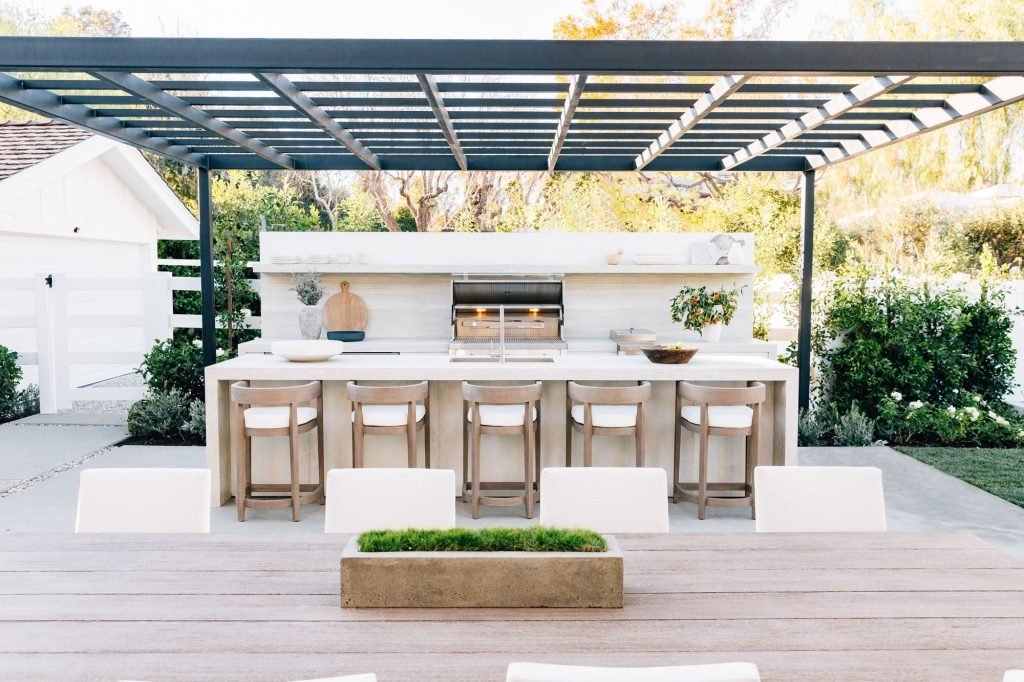
Are you ready to transform your outdoor kitchen into the ultimate gathering spot? Building a pergola over your outdoor kitchen not only adds style but also creates a cozy, shaded space where you can cook, eat, and relax with friends and family.
Imagine enjoying your favorite meals without worrying about the sun or unexpected rain. In this guide, you’ll discover simple steps to design and build a pergola that fits your space perfectly. Let’s make your outdoor kitchen the place everyone wants to be! Keep reading to find out how easy it can be.
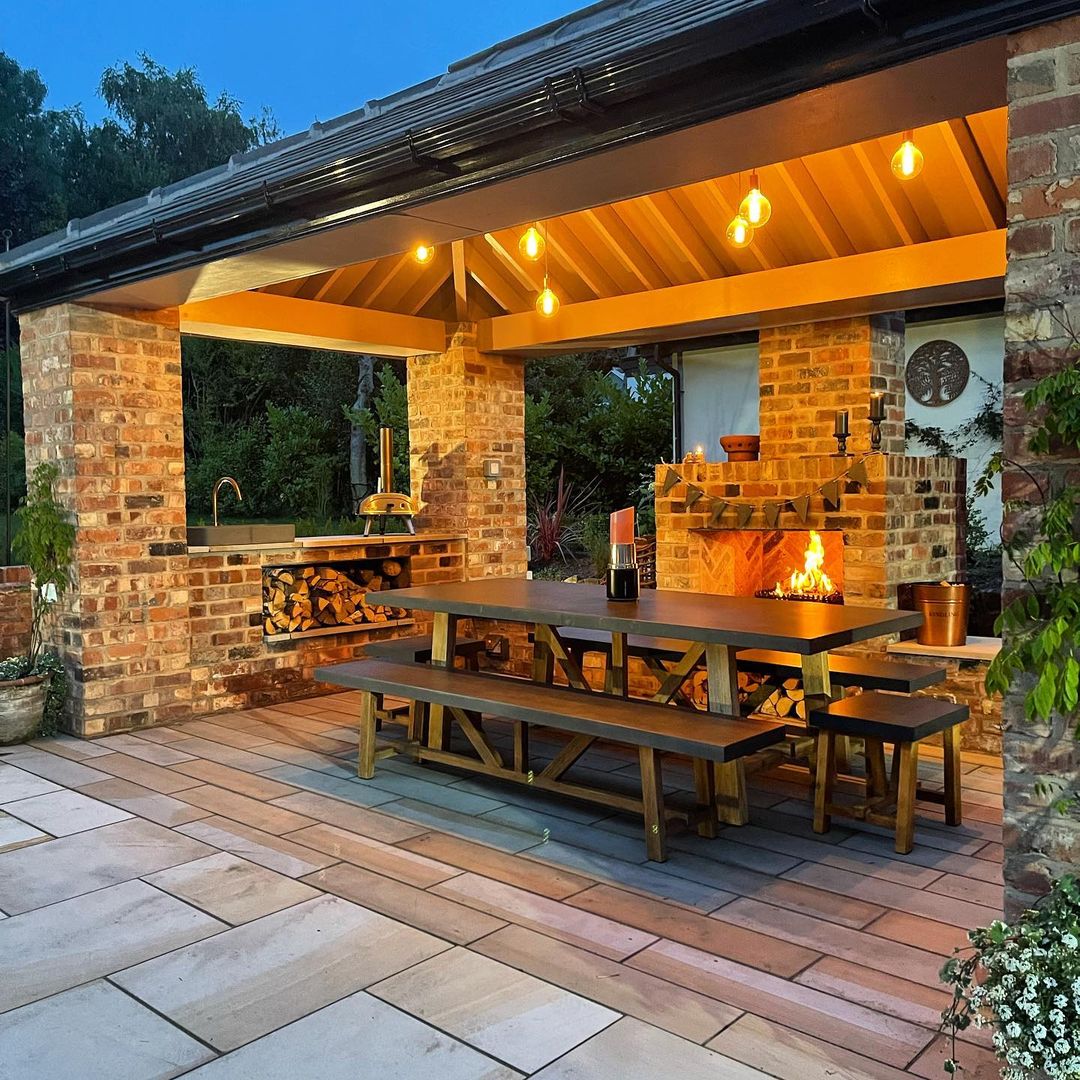
Credit: www.extraspace.com
Planning Your Pergola
Building a pergola over your outdoor kitchen adds shade and style. Good planning makes the project easier and the result better.
Focus on location, style, and size before you start building. These factors help create a comfortable and functional outdoor space.
Choosing The Right Location
Pick a spot that fits well with your outdoor kitchen. Look for a flat area with enough space around it. Consider sunlight and wind directions to keep the area comfortable.
Check for any overhead wires or structures. Avoid placing the pergola where it blocks doors or windows. Think about how the pergola will connect with your house and garden.
Selecting Pergola Style
Choose a pergola style that matches your outdoor kitchen and home design. Common styles include traditional, modern, and rustic. Each style uses different materials and shapes.
- Traditional pergolas have classic columns and beams.
- Modern pergolas feature clean lines and simple forms.
- Rustic pergolas use natural wood and rough finishes.
- Freestanding pergolas stand alone and can be moved.
- Attached pergolas connect directly to your home.
Measuring And Sizing
Measure your outdoor kitchen and surrounding area carefully. The pergola should cover the cooking space and allow room to move around. Think about the height to keep the space open and airy.
| Area | Recommended Size | Notes |
| Small outdoor kitchen | 8 feet by 8 feet | Basic coverage with seating space |
| Medium outdoor kitchen | 10 feet by 12 feet | More room for cooking and dining |
| Large outdoor kitchen | 12 feet by 16 feet | Extra space for appliances and guests |
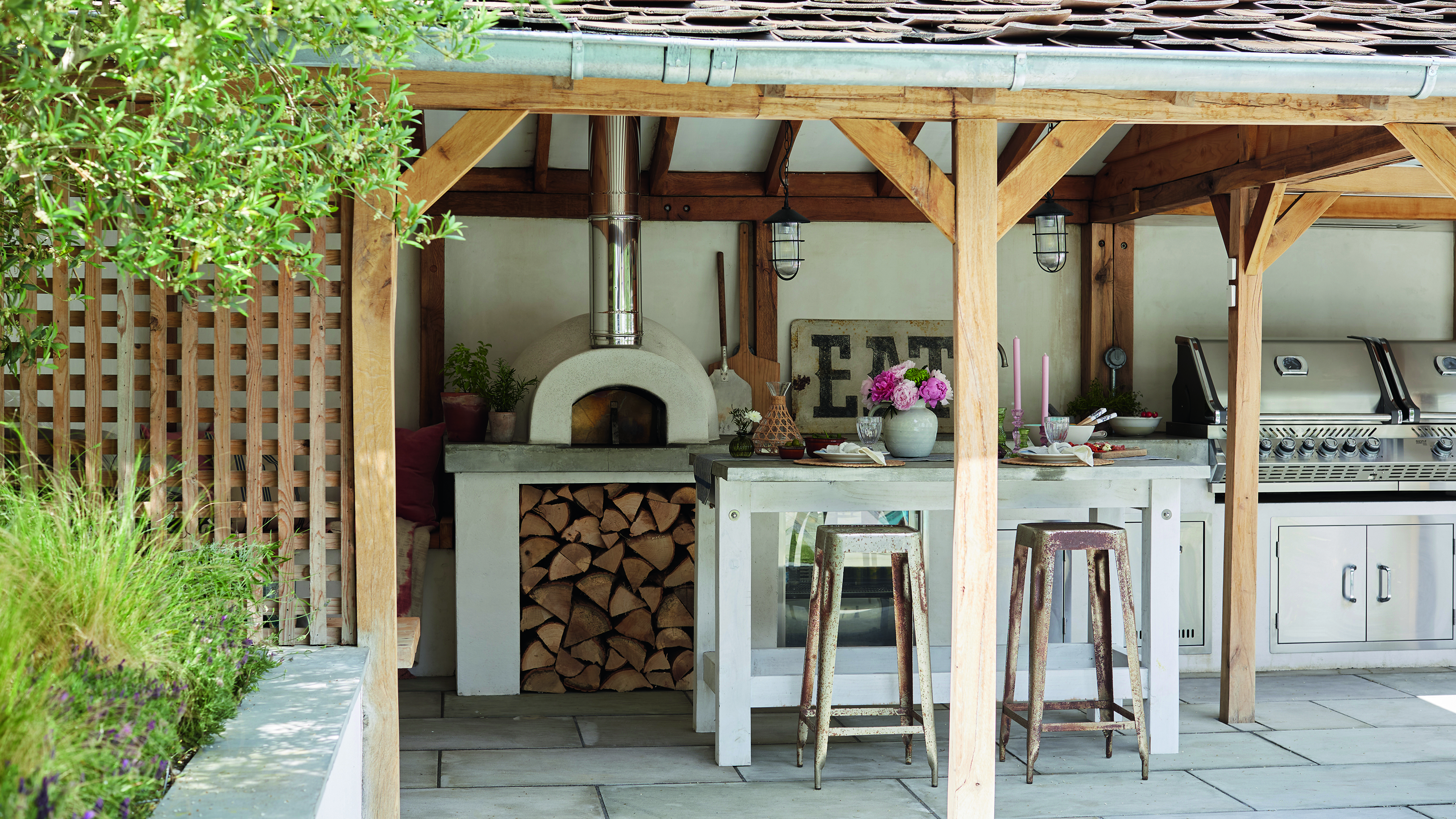
Credit: www.idealhome.co.uk
Gathering Materials And Tools
Building a pergola over an outdoor kitchen needs careful planning. Gathering the right materials and tools saves time and effort.
Before you start, check your list to ensure you have everything. This helps make the building process smooth and safe.
Essential Materials List
Select strong and weather-resistant materials for your pergola. Wood and metal are common choices that last long outside.
- Treated lumber or cedar beams
- Galvanized screws and bolts
- Concrete mix for footings
- Metal brackets and connectors
- Waterproof wood sealant
- Outdoor-grade paint or stain
- Post anchors for stability
Required Tools
Use proper tools to make the build easier and safer. Having the right tools helps in cutting, drilling, and assembling parts correctly.
| Tool | Purpose |
| Measuring tape | Measure wood and space |
| Power drill | Drill holes and drive screws |
| Circular saw | Cut lumber to size |
| Level | Ensure structure is even |
| Hammer | Drive nails and secure parts |
| Wrench set | Tighten bolts and nuts |
| Paintbrush | Apply sealant or paint |
Preparing The Site
Building a pergola over your outdoor kitchen starts with good site preparation. This makes sure the structure is safe and looks great.
Focus on clearing the area and marking where the posts will go. These steps set the base for a strong pergola.
Clearing And Leveling Ground
Remove all plants, rocks, and debris from the site. This gives a clean workspace for the pergola posts and foundation.
- Cut grass and weeds down to the soil.
- Dig out roots and large stones.
- Remove old concrete or wood pieces.
- Use a rake to smooth the surface.
- Check for slopes or uneven spots.
- Level the ground using a shovel and a level tool.
Marking Post Positions
Mark where each pergola post will stand. Accurate markings keep the pergola balanced and square.
| Tool | Purpose |
| Measuring tape | Measure distances between posts |
| Wooden stakes | Mark post corners on the ground |
| String line | Connect stakes for straight lines |
| Chalk or spray paint | Highlight exact post spots |
Installing Pergola Posts
Building a pergola over your outdoor kitchen starts with strong posts. These posts hold up the roof and frame. You must install them carefully for safety and style.
This guide covers digging the holes and setting the posts securely. Follow these steps to create a sturdy pergola foundation.
Digging Post Holes
Mark the spots where you want the posts. Make sure the spacing matches your pergola design. Use a measuring tape and stakes to outline the area.
Dig holes that are deep enough for stability. Usually, holes should be about one-third the length of the post. The width should be at least twice the post size.
- Use a post hole digger or shovel
- Dig at least 2 feet deep for most posts
- Make holes wider than post width
- Check for level and straight edges
Setting And Securing Posts
Place the posts in the holes carefully. Hold each post straight and level before filling the hole. Use a level tool to check the vertical position.
Fill the holes with concrete to keep the posts steady. Let the concrete dry fully before adding beams or roof parts. You can also use gravel for drainage below the concrete.
- Pour gravel in the bottom of the hole
- Set the post in the hole
- Use a level to make post straight
- Pour concrete around the post
- Allow concrete to cure for 24-48 hours
Building The Frame
Building a strong frame is key to a sturdy pergola over your outdoor kitchen. The frame holds the entire structure and supports the roof. You need to prepare all materials and tools before starting the work.
This guide covers attaching beams and installing rafters. These steps help you create a solid and reliable frame for your pergola.
Attaching Beams
Begin by securing the main beams to the posts. Use strong bolts or brackets to ensure stability. Make sure the beams are level and properly aligned.
- Measure and mark beam positions on posts
- Use a drill to make pilot holes for bolts
- Attach beams with lag bolts or metal brackets
- Check that beams are level with a spirit level
- Tighten all fasteners securely
Installing Rafters
Rafters run across the beams to support the pergola roof. They must be evenly spaced and firmly attached. Use nails or screws and add rafter ties for extra strength.
| Task | Details |
|---|---|
| Measure spacing | Space rafters 16 to 24 inches apart |
| Cut rafters | Cut rafters to length with angled ends |
| Attach rafters | Nail or screw rafters to beams securely |
| Add rafter ties | Use metal ties for added support |
| Check alignment | Ensure rafters are straight and even |

Credit: www.reddit.com
Adding Roof And Finishing Touches
Building a pergola over your outdoor kitchen adds shade and style. Adding a roof and finishing touches makes the space comfortable and attractive.
Choose the right materials and details to protect your kitchen and enhance the look. Small touches create a cozy outdoor area.
Choosing Roof Covering
Pick a roof covering that fits your climate and style. The roof should protect from sun and rain while letting air flow.
Common roof options include polycarbonate panels, fabric covers, and wooden slats. Each offers different light and weather protection.
- Polycarbonate panels are strong and let light through.
- Fabric covers provide shade but may need replacement over time.
- Wooden slats create a classic look with partial shade.
- Metal roofs are durable and offer full protection.
Sealing And Painting
Seal and paint the pergola wood to protect it from weather damage. This keeps the structure strong and looking good.
Use outdoor sealants and paints made for wood. Apply multiple coats for better protection and longer life.
- Choose water-resistant sealant for rain protection.
- Use UV-resistant paint to prevent color fading.
- Paint or seal all wood surfaces, including edges.
- Allow each coat to dry fully before adding the next.
Adding Lighting And Decor
Good lighting makes your outdoor kitchen usable at night. Choose lights that match the style of your pergola and kitchen.
Decorations add personality and comfort. Use plants, rugs, and outdoor furniture to complete the space.
- String lights create a warm, inviting glow.
- LED spotlights highlight cooking areas.
- Lanterns add charm and extra light.
- Potted plants bring color and freshness.
- Weatherproof rugs add comfort and style.
Maintaining Your Pergola
Building a pergola over your outdoor kitchen adds style and shade. To keep it looking great, you need to maintain it well. Regular care helps your pergola last longer and stay safe.
Follow simple steps to clean and check your pergola. This makes sure it stays strong and beautiful through every season.
Regular Cleaning Tips
Clean your pergola often to remove dirt, dust, and leaves. This stops damage and keeps wood or metal fresh. Use mild soap and water for most surfaces.
Rinse well and dry after washing. Avoid harsh chemicals that might hurt the finish or wood.
- Remove leaves and debris weekly
- Wash with soft brush and mild soap monthly
- Rinse with water and dry thoroughly
- Check for mold or mildew and clean it quickly
Seasonal Maintenance
Each season brings new challenges for your pergola. Check it for damage or wear after storms or winter. Fix small problems before they get bigger.
Apply sealant or paint every year to protect wood. Tighten bolts and screws to keep the structure safe and steady.
- Inspect pergola for cracks or rust seasonally
- Reapply wood sealant or paint once a year
- Tighten all fasteners to prevent wobbling
- Trim nearby plants to avoid damage
Frequently Asked Questions
How Do I Start Building A Pergola Over An Outdoor Kitchen?
Begin by measuring your outdoor kitchen area. Choose durable materials like wood or metal. Ensure proper permits and plan the design to complement your space.
What Materials Are Best For A Pergola Over A Kitchen?
Wood, aluminum, and vinyl are popular. Wood offers natural beauty, aluminum resists rust, and vinyl requires low maintenance. Choose based on climate and style preference.
How To Ensure Safety When Building A Pergola Outdoors?
Use sturdy, weather-resistant materials and secure the structure firmly. Check local building codes and avoid placing pergola near power lines or gas lines.
Can A Pergola Provide Enough Shade For Cooking Areas?
Yes, adding lattice or retractable canopies enhances shade. You can also grow climbing plants for natural cover, making your outdoor kitchen comfortable.
Conclusion
Building a pergola over your outdoor kitchen adds style and shade. It creates a cozy space for cooking and dining outside. With careful planning, you can choose the right materials and design. Keep safety and durability in mind during construction.
A well-built pergola will last for years and enhance your backyard. Start with clear steps and enjoy your new outdoor living area. Simple, smart, and practical. Your outdoor kitchen deserves it.