
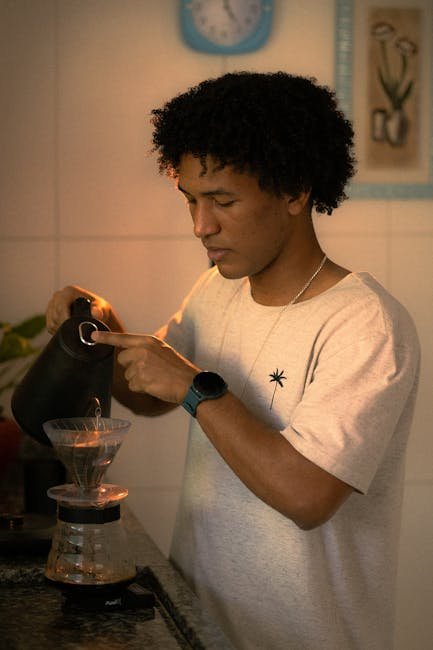
If you want to enjoy a rich, flavorful cup of coffee right at home, learning how to brew coffee using a manual pour-over method is a game changer. This simple technique puts you in control of every step, letting you unlock the true taste of your beans.
Imagine starting your day with a fresh, aromatic brew that feels like it was made just for you. Keep reading, and you’ll discover easy steps to master this art and transform your coffee routine forever.
Choosing The Right Equipment
Selecting a pour-over breweraffects the taste and ease of brewing. Ceramic and glass brewers keep heat well. Plastic brewers are lighter and cheaper. Choose a size that fits your coffee needs. A good brewer has a steady flow to control extraction.
Essential accessoriesinclude a gooseneck kettle for precise pouring. A timer helps control brew time. Filters should match your brewer type for best results. A scale ensures accurate coffee-to-water ratio. Clean equipment keeps flavors pure.
| Grinder Type | Pros | Cons |
|---|---|---|
| Burr Grinder | Even grind size, better flavor | Usually more expensive |
| Blade Grinder | Affordable, simple to use | Uneven grind, affects taste |
| Manual Grinder | Portable, quiet, consistent | Requires effort, slower |
Picking The Perfect Coffee Beans
Bean varietiesaffect flavor and aroma. Arabica beans have a smooth taste. Robusta beans are stronger and more bitter. Blend beans to find your favorite taste.
| Roast Level | Flavor Profile |
|---|---|
| Light Roast | Bright, fruity, and mild acidity |
| Medium Roast | Balanced, sweet, and nutty |
| Dark Roast | Bold, smoky, and bitter |
Freshnessis key for great coffee. Use beans within a month of roasting. Store beans in an airtight container. Keep them in a cool, dark place. Avoid the fridge or freezer to keep flavors strong.
Mastering The Grind Size
The grind sizeplays a key role in pour-over coffee brewing. It affects how water flows and extracts flavors. A medium grind, similar to sand, works best for most pour-over brewers.
Finer grinds slow water flow and create a stronger taste. Coarser grinds speed up flow and produce lighter coffee. Adjust grind size to match your taste preferenceand brewing time.
- Use a medium grindfor balanced flavor and smooth flow.
- Choose a finer grindfor a bold and rich cup.
- Try a coarser grindfor a lighter and quicker brew.
Changing grind size helps control extraction. Too fine causes bitterness; too coarse leads to weak coffee. Experiment to find the perfect grind for your pour-over.

Credit: www.wholelattelove.com
Water Quality And Temperature
The ideal water temperaturefor pour-over coffee is between 195°F and 205°F. Water cooler than this will under-extract, causing a sour taste. Hotter water can burn the coffee, making it bitter. Using a thermometer helps keep the temperature steady. Let boiled water rest for 30 seconds before pouring.
Water quality affects coffee flavor a lot. Use fresh, clean waterfree from chlorine and impurities. Tap water with strong tastes can ruin your brew. Filtered or bottled water is often best. Minerals in water help extract coffee oils and flavors, but too many minerals can cause bad taste.
Step-by-step Brewing Process
Place a clean paper filterinto the brewer. Rinse it with hot water to remove paper taste and warm the brewer. Discard the rinse water before adding coffee.
Pour a small amount of hot water over the grounds to let the coffee bloom. This releases gases for better flavor. Wait about 30 secondsbefore pouring more water.
- Pour water slowly in a circular motion.
- Start from the center and move outward.
- Keep the water level steady.
Use a coffee-to-water ratioof about 1:16 for balanced taste. Brewing usually takes 2 to 3 minutes. Adjust time or ratio to suit your taste.

Credit: www.wholelattelove.com
Troubleshooting Common Issues
Common problems like uneven extraction or weak flavor can arise during manual pour-over brewing. Adjust grind size, water temperature, and pouring speed to fix these issues. Consistent technique improves taste and brewing experience.
Bitter Or Sour Taste Fixes
A bitter taste might mean water is too hot. Let it cool slightly. A sour taste could mean water is too cold. Heat it up a bit. Check your coffee grind size. Too fine can taste bitter. Too coarse may taste sour. Adjust the grind size slowly. Use fresh coffee beans always. Stale beans can ruin the flavor. Use a timer to control brewing time. Under or over-brewing can affect taste.
Uneven Extraction Solutions
Check your pouring technique. Pour in circles, not just one spot. This helps water cover all the grounds. Use a gooseneck kettle for better control. Ensure the coffee bed is level before pouring. Stir gently if needed. Clean your equipment regularly. Dirty tools can cause uneven extraction. Check the coffee grind size. Consistent size helps even extraction. Use a scale to measure coffee and water. This keeps your brew balanced.
Enhancing Your Pour-over Experience
Pour-over coffee lets you control every part of brewing for a fresh, rich flavor. Pour hot water slowly over grounds to extract the best taste. Simple tools and careful pouring make a smooth, tasty cup every time.
Experimenting With Variables
Changing water temperature can affect coffee taste. Hotter water extracts more flavor. Cooler water makes coffee milder. Try different grind sizes too. Coarser grinds brew slower. Finer grinds brew faster. Adjust the coffee-to-water ratio as well. More coffee makes a stronger drink. Less coffee gives a lighter taste. Note how each change affects flavor. Keep notes of each experiment. Find your perfect cup with these tweaks.
Cleaning And Maintenance Tips
Clean your coffee gear after each use. Rinse filters with hot water. Wash the dripper with mild soap. Ensure no soap remains on it. Dry everything completely to avoid rust. Store your tools in a dry place. This keeps them in good shape. Replace filters when they wear out. A clean setup means better coffee taste. Regular care makes your tools last longer.

Credit: naivo.in
Frequently Asked Questions
What Equipment Do I Need For Manual Pour-over Coffee?
You need a pour-over dripper, filter, coffee grinder, kettle, and fresh coffee beans. A scale helps for accuracy. These tools ensure consistent extraction and a great coffee flavor.
How Fine Should I Grind Coffee For Pour-over?
Use a medium-fine grind, similar to sea salt. This allows water to flow evenly, extracting balanced flavors without bitterness or under-extraction.
What Water Temperature Is Best For Manual Pour-over?
Ideal water temperature is between 195°F and 205°F (90°C to 96°C). Too hot water burns coffee; too cool under-extracts flavors.
How Long Should I Pour Water Over Coffee Grounds?
Pouring should take about 2. 5 to 3 minutes. Slow, steady pouring ensures even saturation and full flavor extraction.
Conclusion
Brewing coffee with a manual pour-over brings great flavor and control. You can enjoy the process and taste the difference. Just use fresh coffee, clean water, and steady pouring. Practice makes your coffee better each time. This simple method fits any morning or afternoon break.
Try it, and enjoy a fresh cup made by your own hands.