
Do you want to brew the perfect cup of coffee every single time? Imagine unlocking the full flavor of your coffee beans with just a few simple steps.
Brewing coffee with precision isn’t about fancy machines or complicated tricks—it’s about understanding the details that make your coffee taste amazing. In this guide, you’ll discover how to control every part of the brewing process, so your coffee is rich, balanced, and exactly how you like it.
Ready to take your coffee game to the next level? Keep reading, and let’s make your perfect cup together.
Choosing The Right Coffee Beans
Arabicabeans have a sweeter taste and less caffeine. Robustabeans taste stronger and have more caffeine. Choose Arabica for smooth coffee. Pick Robusta for bold flavors.
Check the roast dateon the package. Fresh beans give better flavor. Coffee is best used within a month of roasting.
Single originbeans come from one place. They have unique tastes from that region. Blendsmix beans from different places for balanced flavor.
Credit: angelinos.com
Grinding For Precision
Grind size affects how coffee brews. Coarse grinds suit French press, while fine grinds work for espresso. Medium grinds fit drip coffee makers.
Burr grinders give more uniform coffee groundsthan blade grinders. Blade grinders chop beans unevenly, causing inconsistent extraction. Burr grinders crush beans between two burrs for better controlover grind size.
- Use a steady speed to grind beans evenly.
- Avoid grinding too fast or too slow.
- Clean your grinder regularly for best results.
- Grind only the amount you need to keep freshness.
Measuring Coffee And Water
The coffee-to-water ratiois key for great coffee. A common ratio is 1:15, meaning 1 gram of coffee for every 15 grams of water. Adjusting this ratio changes the strength and taste. Use more coffee for a stronger brew, less for a lighter one.
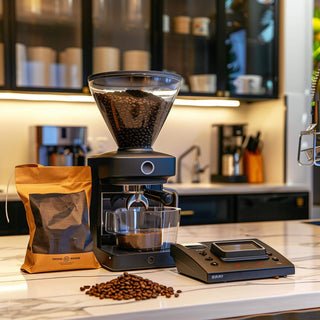
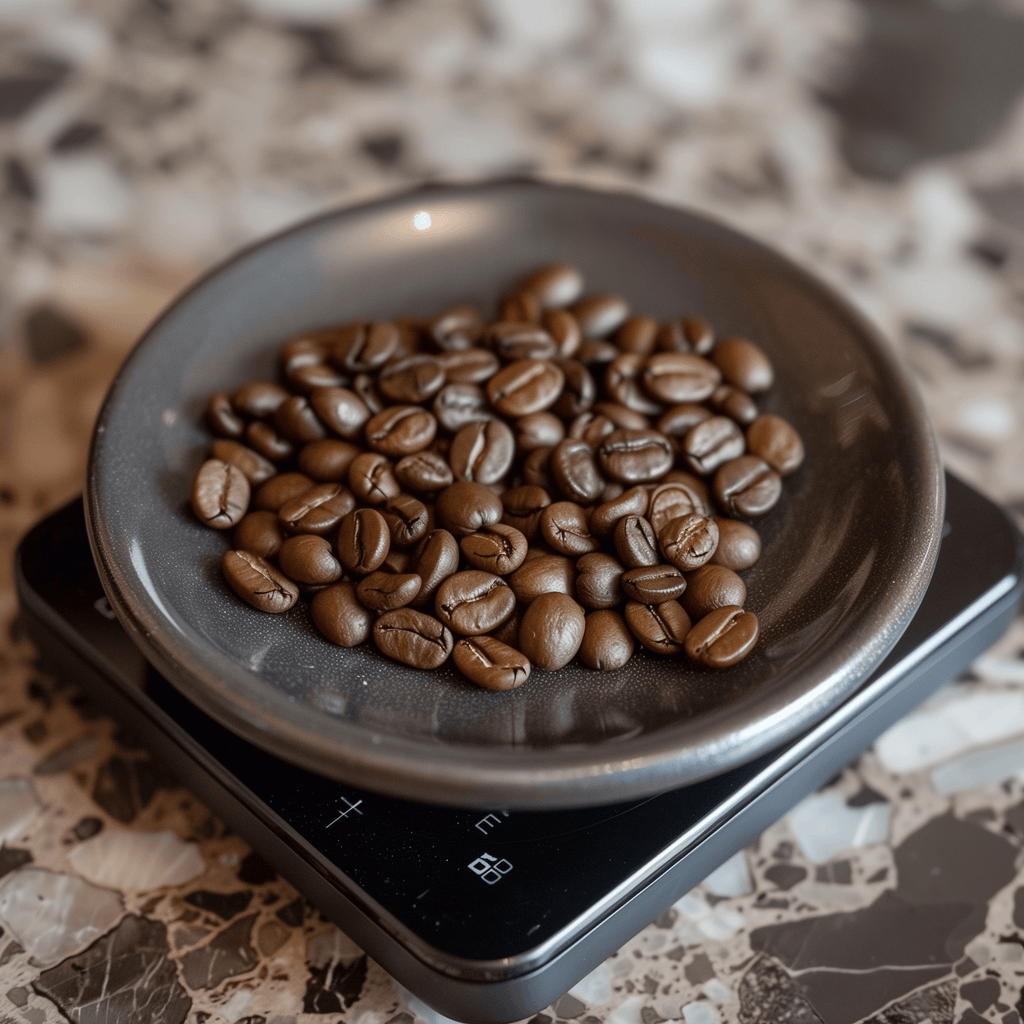
Using a scaleensures precise measurement. Avoid guessing with spoons. Weigh coffee beans and water for consistent results. This helps you brew the same way every time. Precision matters.
Water quality affects flavor a lot. Use clean, fresh water. Avoid water with strong odors or tastes. Temperature matters too. The ideal water temperature is 195°F to 205°F (90°C to 96°C). Too hot or too cold water can spoil the taste.

Credit: caffeinebrothers.co
Brewing Methods For Control
Pour over techniquesoffer great control over brewing time and temperature. Use a gooseneck kettleto pour water evenly. Wet the coffee grounds evenly to avoid over-extraction. Keep water temperature around 195-205°F. Pour slowly in a circular motion. This helps extract rich flavors.
French press tipsinclude using a coarse grind. Steep coffee for about 4 minutesbefore pressing. Press the plunger down slowly to avoid sediment. Use water just off the boil for best results. Stir gently before pressing for better extraction.
Espresso extractionneeds fine grounds and firm tamping. Use about 9 barsof pressure during brewing. The shot should take 25-30 seconds. Aim for a thick, rich crema on top. Adjust grind size if the shot is too fast or slow.
Cold brew processuses coarse grounds steeped in cold water. Let it brew for 12-24 hoursin the fridge. Filter coffee with a fine mesh or paper filter. Cold brew has smooth, less bitter flavors. Dilute with water or milk before serving.
Timing And Brewing Variables
Extraction timeaffects the taste of coffee. Shorter times make coffee lighter, less bitter. Longer times bring out more flavors but can cause bitterness.
Brew strengthchanges by adjusting coffee amount or water volume. More coffee or less water makes it stronger. Less coffee or more water makes it weaker.
Control bloomby pouring a small amount of hot water on grounds first. Wait 30 seconds to let gases escape. This helps better flavor.
Pour rateaffects how water flows through coffee. Slow pour extracts more flavor but can be bitter. Fast pour gives milder taste.
Tasting And Adjusting
Tasting and adjusting is key to brewing coffee beans with precision. Small tweaks in grind size or water temperature can dramatically change flavor. Experimenting helps find the perfect balance for your taste.
Identifying Flavor Notes
Flavor notes tell the coffee story. Sweetness adds a pleasant taste. Bitterness might be too strong. Acidity gives a bright touch. Nutty flavors are warm and comforting. Fruity hints can be refreshing. Tasting helps find what you like best.
Balancing Acidity And Bitterness
Acidity should not be too sour. Bitterness should not overpower. Balance makes coffee enjoyable. Grind size affects these flavors. Fine grind can increase bitterness. Coarse grind can reduce it. Water temperature also matters. Hot water extracts more bitterness. Cooler water keeps acidity.
Tweaking Parameters For Improvement
Brewing time changes the flavor. Longer time can increase bitterness. Shorter time may enhance acidity. Water-to-coffee ratio is crucial. More water makes it weaker. Less water makes it stronger. Try different settings. Experiment to find your favorite taste.
Credit: www.bulletproof.com
Frequently Asked Questions
What Grind Size Is Best For Precise Coffee Brewing?
A medium grind size is ideal for most brewing methods. It allows even extraction and balanced flavor. Adjust grind size based on your brewer type for best results.
How Does Water Temperature Affect Coffee Brewing Precision?
Optimal water temperature is between 195°F and 205°F. This range extracts flavors without bitterness. Using a thermometer ensures consistent, precise brewing every time.
Why Is Coffee-to-water Ratio Important For Precision?
The coffee-to-water ratio controls strength and taste. A common ratio is 1:15 (1 gram coffee to 15 grams water). Measuring ensures balanced flavor and consistency in every cup.
How Long Should I Brew Coffee For Precise Results?
Brew time varies by method but generally lasts 3 to 4 minutes. Consistent timing helps extract optimal flavors and avoid under or over-extraction.
Conclusion
Brewing coffee with care makes a big difference in taste. Using the right tools and measuring ingredients helps. Grinding beans fresh keeps flavors strong. Water temperature and brewing time matter a lot. Small changes can bring great results. Practice often to find what suits you best.
Enjoy every cup you make at home. Perfect coffee is just a few steps away. Try these tips and notice the change. Your morning coffee will feel more special.