
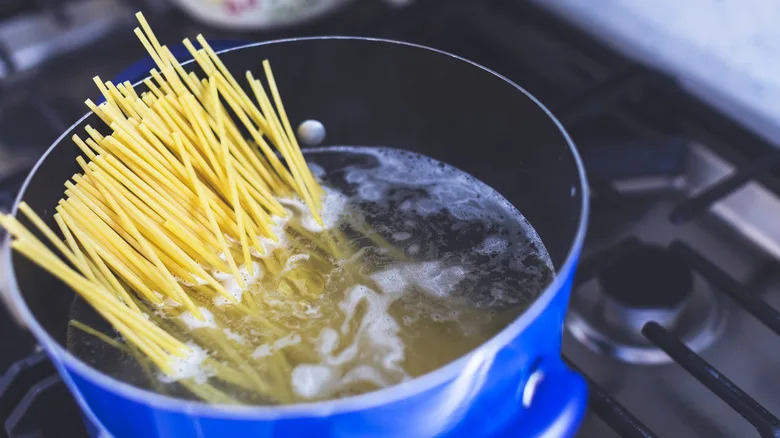
Boiling pasta in a small saucepan might seem tricky, but it’s easier than you think. Whether you’re cooking for one or just want to save space in your kitchen, this method is perfect for you.
Imagine having perfectly cooked pasta without the hassle of a big pot or wasting water. In this guide, you’ll learn simple, step-by-step tips to get your pasta just right every time. Keep reading, and you’ll discover how to make your pasta cooking quick, efficient, and mess-free.
Choosing The Right Pasta
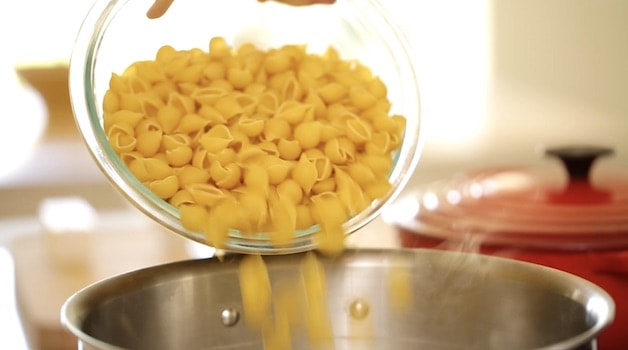
Small saucepans work best with short pasta types. Shapes like penne, macaroni, or small shells fit well. Long pasta like spaghetti can be tricky to cook evenly in small pots.
Choosing pasta that cooks quickly helps save time and water. Smaller pasta pieces soak up water fast, making cooking easier.
| Type of Pasta | Best Use in Small Saucepan |
|---|---|
| Penne | Fits well, cooks evenly |
| Macaroni | Quick to cook, good size |
| Small Shells | Easy to stir and drain |
| Spaghetti | Hard to fit and cook evenly |
Brands like Barilla, De Cecco, and Rummooffer quality pasta. They have good texture and taste. Choose brands that list cooking times clearly on the package.
Selecting A Small Saucepan
Choosing the right small saucepandepends on size and material. A saucepan with a 1 to 2-quart capacityis ideal for boiling pasta for one or two people. Too small, and pasta won’t cook evenly. Too big wastes energy and water.
Materials like stainless steelheat evenly and last long. Non-stick surfaces make cleaning easier but can scratch. Aluminum pans heat fast but may warp. Consider what suits your cooking style and maintenance preferences.
| Brand | Material | Price Range | Durability |
|---|---|---|---|
| All-Clad | Stainless Steel | High | Very Durable |
| T-fal | Non-Stick Aluminum | Medium | Good |
| Cuisinart | Stainless Steel | Medium | Durable |
| Calphalon | Non-Stick | Medium-High | Good |
Prepping The Pasta
Measure pasta carefully to avoid overfilling the small saucepan. Use about 2 ounces (56 grams)per person. This amount fits well in a small pot and cooks evenly.
Break long pasta like spaghetti or linguine if the saucepan is too small. Breaking pasta helps it fit better and cook more evenly.
- Hold pasta in the middle
- Snap gently to avoid crumbs
- Use broken pieces just like whole pasta

Credit: www.instagram.com
Boiling Water
Use plenty of water for pasta to cook evenly. For a small saucepan, about 4 cups of waterper 100 grams of pasta works well. This helps pasta move freely and not stick together.
Salt the water to boost pasta flavor. Add 1 teaspoon of saltfor every 4 cups of water. This makes pasta taste better as it cooks.
Cooking Techniques
Stir pasta often during cooking. This stops noodles from sticking to the pan or each other. Use a wooden spoon or heat-safe spatula to stir gently. Stirring also helps cook pasta evenly. Keep an eye on the time. Small saucepans hold less water, so pasta cooks faster here. Check pasta a minute or two before the package time. This helps avoid overcooking.
Preventing pasta from sticking requires enough water. Fill the saucepan at least halfway with water. Salt the water well to boost flavor and help separate noodles. Avoid adding oil; it makes sauce slide off pasta later.
Testing Doneness
To check pasta for al dente, take a piece out of the saucepan. Let it cool slightly. Bite into it. It should be soft but still firm in the center. Not mushy or hard.
For taste testing, use a fork or spoon to take a small amount. Blow on it to cool. Taste the pasta. It should have a slight bite and good texture. If it feels too hard, cook a little longer.
Do not rely only on the cooking time on the package. Different pasta types and saucepan sizes change cooking speed. Testing ensures perfect texture every time.
Draining And Serving
To drain pasta in a small saucepan, use a colanderor a lidto hold back the pasta. Pour out the water carefully to avoid burns. Another way is to use a sievethat fits the saucepan.
Shake gently to remove excess water. Avoid rinsing pasta unless making a cold dish. Rinsing removes starch that helps sauce stick.
Choose sauces that fit your pasta shape and taste. Thick sauces like tomatoor cream-basedcling well. Light sauces like olive oiland herbssuit thin pasta.
- Warm the sauce before mixing with pasta.
- Toss pasta and sauce together in a pan.
- Add cheese or herbs for extra flavor.

Credit: www.instagram.com
Common Mistakes
Avoid overcookingpasta by checking it often. Pasta cooks fast in small saucepans. Drain it as soon as it feels soft but still firm. Overcooked pasta gets mushy and sticky.
Managing water levelsis key. Use enough water to cover the pasta. Too little water makes pasta stick together. Stir gently to keep pasta separate. Keep an eye on water as it can evaporate quickly in small pans. Add more water if needed to avoid burning or drying out.
Troubleshooting Tips
Undercooked pasta feels hard and chewy inside. Keep pasta cooking longer in boiling water. Stir pasta often to stop clumping. Test pasta by tasting a piece. It should be soft but firm, called “al dente.” Drain pasta and rinse with warm water to stop cooking.
Sticky pasta means it has stuck together. Use plenty of water in the saucepan. Stir pasta well during cooking. Add a little oil or butter after draining. Toss pasta gently to keep pieces separate.
Credit: entertainingwithbeth.com
Frequently Asked Questions
How Much Water Is Needed To Boil Pasta In A Small Saucepan?
Use enough water to fully submerge the pasta, about 4 cups per 100 grams. This ensures even cooking and prevents sticking.
Can I Cook Different Pasta Shapes In A Small Saucepan?
Yes, but choose smaller shapes like elbows or shells. Larger shapes may not cook evenly in limited space.
How Long Does Pasta Take To Cook In A Small Saucepan?
Cooking time varies by pasta type but generally ranges from 7 to 12 minutes. Stir occasionally for even cooking.
Should I Cover The Saucepan When Boiling Pasta?
It’s best to keep the saucepan uncovered. This prevents water from boiling over and allows you to monitor the pasta.
Conclusion
Boiling pasta in a small saucepan is simple and quick. Use enough water to let pasta move freely. Stir pasta to stop it from sticking. Check pasta often to cook it just right. Drain carefully and enjoy your meal. Small saucepans work well for small portions.
This method saves time and energy in the kitchen. Try it for easy and tasty pasta dishes.