
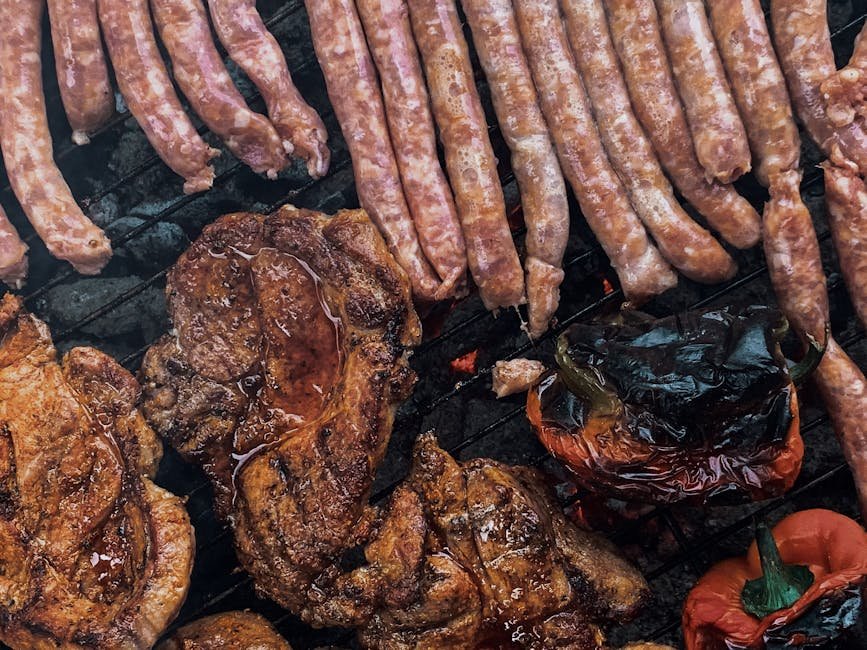
Ready to fire up your charcoal grill and create mouthwatering BBQ that everyone will love? You’re just a few simple steps away from mastering the art of cooking over charcoal.
Whether you’re a beginner or have tried grilling before, this guide will show you how to get the perfect smoky flavor, control the heat, and cook your food evenly every time. Stick with me, and you’ll soon impress your friends and family with BBQ that tastes like it came from a pro.
Let’s get started!
Choosing The Right Charcoal
Picking the right charcoal is key to good BBQ on a charcoal grill. It affects flavor, heat, and cooking time.
Different types of charcoal burn in different ways. Learning about them helps you cook better food.
Lump Charcoal Vs. Briquettes
Lump charcoal is made by burning wood pieces in low oxygen. It burns hotter and faster.
Briquettes are made from compressed sawdust and other materials. They burn more evenly and last longer.
- Lump Charcoal:Burns hotter and faster
- Briquettes:Burns steady and longer
- Lump Charcoal:Gives food a smoky flavor
- Briquettes:Produces less ash
Factors To Consider
Think about heat control, cooking time, and flavor when choosing charcoal. Also, check how much ash it makes.
Price and availability matter too. Lump charcoal can cost more but lights faster. Briquettes are easier to find.
- How hot does the charcoal burn?
- How long does it last?
- How much ash does it produce?
- What flavor does it add to food?
- Is it easy to find and affordable?
Setting Up The Grill
Starting a barbecue on a charcoal grill needs proper preparation. Setting up the grill right helps you cook food evenly and safely.
This guide covers arranging the charcoal and lighting techniques to get your grill ready.
Arranging The Charcoal
Arrange charcoal to control heat zones on the grill. You can create direct and indirect heat areas for different cooking needs.
- Spread charcoal evenly for a uniform heat source.
- Pile charcoal on one side for two-zone cooking.
- Use fewer coals for low heat and more for high heat.
- Leave space for air to flow under the coals.
- Place a drip pan under the grill grate if you use two-zone setup.
Lighting Techniques
Lighting charcoal correctly helps start your fire quickly and safely. Avoid using too much lighter fluid to keep food taste clean.
| Technique | Description | Pros | Cons |
| Chimney Starter | Use a metal cylinder to light coals from the bottom. | Easy, no chemicals, fast lighting. | Needs extra tool, can be hot to handle. |
| Lighter Fluid | Pour fluid on coals and light carefully. | Simple and quick. | May affect taste, risk of flare-ups. |
| Electric Starter | Insert electric coil into coals to heat them. | No chemicals, reusable. | Needs power source, slower than chimney. |
Controlling Temperature
Controlling temperature is key for cooking on a charcoal grill. It helps cook food evenly and avoid burning.
You can manage temperature by adjusting airflow and using a thermometer to check heat levels.
Managing Airflow
Airflow controls how hot your charcoal burns. More air means hotter fire. Less air means cooler fire.
- Open the bottom vents to increase oxygen and heat.
- Close the vents to reduce oxygen and lower the temperature.
- Adjust the top vents to control smoke and heat release.
- Keep vents partially open for steady heat.
Using A Thermometer
A thermometer shows the exact temperature inside your grill. It helps you cook food safely and well.
| Thermometer Type | Use | Benefit |
| Built-in Grill Thermometer | Checks grill lid temperature | Easy to read while cooking |
| Instant-Read Thermometer | Measures food temperature quickly | Helps avoid over or undercooking |
| Probe Thermometer | Monitors food temperature during cooking | Shows real-time heat inside food |

Credit: charcoalgrill.store
Preparing The Grill For Cooking
Getting your charcoal grill ready is important before cooking. A clean and well-prepared grill makes your food taste better.
Two key steps are cleaning and oiling the grate. These help prevent food from sticking and keep the grill safe to use.
Cleaning The Grate
Start by removing old food and grease from the grill grate. Use a grill brush or scraper to clean the bars well.
Cleaning the grate helps stop flare-ups and keeps your grill working longer. Do this before each cookout.
- Heat the grill to loosen stuck food
- Use a stiff wire brush to scrub the grate
- Remove ashes and debris from the grill base
- Wipe down with a damp cloth if needed
Oiling The Grate
Oiling the grate helps food cook evenly and stops it from sticking. Use a high smoke point oil for best results.
Apply oil right before placing food on the grill. This creates a smooth surface and protects the metal.
- Use a paper towel or cloth to apply oil
- Dip the cloth in oil like vegetable or canola oil
- Rub the oiled cloth over the hot grill grate
- Be careful not to add too much oil to avoid flare-ups
Selecting The Right Meat
Choosing the right meat is key for good charcoal grilling. The cut and quality affect flavor and texture.
Learn which cuts work best and how to prepare them for the grill.
Best Cuts For Grilling
Some meats handle charcoal grilling better than others. Look for cuts with good marbling and thickness.
- Ribeye: juicy and flavorful with fat marbling
- Sirloin: leaner but tender and easy to grill
- Brisket: great for slow cooking over charcoal
- Chicken thighs: moister than breasts, good for grilling
- Pork chops: choose thick cuts for best results
- Flank steak: thin but flavorful, grill quickly
Marinades And Rubs
Marinades and rubs add flavor and help keep meat moist. Use them before grilling for best taste.
| Type | Main Ingredients | Purpose |
|---|---|---|
| Marinade | Oil, acid (vinegar or citrus), herbs, spices | Tenderizes meat and adds flavor |
| Dry Rub | Salt, pepper, paprika, garlic powder | Creates a flavorful crust on the grill |
Grilling Techniques
Grilling on a charcoal grill needs some skill to get the best results.
Using the right heat and timing makes your food tasty and cooked well.
Direct Vs. Indirect Heat
Direct heat means placing food right above the hot coals. This cooks food fast and gives a nice char.
Indirect heat means putting food away from the coals. It cooks slowly and is good for bigger or tougher cuts.
- Use direct heat for burgers, steaks, and vegetables.
- Use indirect heat for chicken, ribs, and roasts.
- Start with direct heat to sear, then move to indirect to finish cooking.
Timing And Turning
Timing is key to avoid burning or undercooking your food on the grill.
Turning food helps cook it evenly and keeps it from sticking to the grill.
| Food Type | Grill Time | Turn Frequency |
| Burgers | 4-5 minutes each side | Once |
| Chicken breasts | 6-8 minutes each side | Once or twice |
| Vegetables | 3-10 minutes | Every 2-3 minutes |
Enhancing Flavor
Grilling on a charcoal grill gives food a smoky taste. You can make the flavor stronger and richer. Small changes add big taste differences.
Using wood chips and fresh herbs helps bring out new flavors. These simple additions make your barbecue special.
Using Wood Chips
Wood chips add smoke that changes the taste of your food. Different woods give different flavors. You can soak the chips in water before grilling.
Place the soaked wood chips directly on the hot coals or in a smoker box. They will create flavorful smoke that infuses your meat.
- Hickory gives a strong, smoky flavor
- Applewood adds a sweet and mild taste
- Mesquite provides a bold, earthy flavor
- Cherry wood offers a fruity, light smoke
Adding Herbs And Spices
Fresh herbs and spices bring extra flavor to grilled foods. You can add them directly on the coals or in a foil packet.
Try placing rosemary, thyme, or garlic on the grill. The heat releases their aroma and flavors the meat.
- Rosemary adds a pine-like aroma
- Thyme gives a subtle earthy taste
- Garlic brings a sharp, savory flavor
- Black pepper adds mild heat

Credit: www.youtube.com
Safety Tips
Grilling on a charcoal grill is fun but can be risky without safety rules. Follow safety tips to avoid accidents.
Always prepare carefully and keep safety in mind while cooking on charcoal.
Fire Precautions
Charcoal grills use hot coals that can cause fires. Keep a safe area around the grill.
Never leave the grill unattended and have water or a fire extinguisher nearby.
- Place grill on a flat, stable surface away from buildings and trees
- Keep children and pets far from the grill
- Use long-handled tools to avoid burns
- Do not add lighter fluid to hot coals
- Let coals cool completely before disposal
Handling Food Safely
Keep raw and cooked foods separate to stop germs from spreading. Use clean plates for cooked meat.
Cook meat to the right temperature to kill harmful bacteria. Use a food thermometer for safety.
- Wash hands before and after handling raw meat
- Marinate meat in the fridge, not outside
- Do not reuse marinade that touched raw meat unless boiled
- Keep hot foods hot and cold foods cold
- Clean grill grates before cooking
Cleaning And Maintenance
Keeping your charcoal grill clean helps it last longer. It also makes your food taste better. Regular care stops rust and damage.
This guide covers how to clean after cooking and how to store your grill safely.
Post-grill Cleaning
Cleaning right after grilling removes grease and food bits. This keeps your grill ready for the next use.
- Let the grill cool for 20 minutes but stay warm.
- Use a grill brush to scrub the grates clean.
- Remove ashes from the charcoal tray to avoid rust.
- Wipe the outside with warm soapy water and a cloth.
- Check vents and clear any blockages.
- Dry all parts before closing the grill.
Storing The Grill
Proper storage protects your grill from weather damage. It also keeps it clean and ready to use.
| Storage Tip | Reason |
| Cover the grill with a waterproof cover | Prevents rust and dirt buildup |
| Store in a dry, shaded place | Protects from sun damage and moisture |
| Keep the lid slightly open | Allows air circulation to avoid mold |
| Remove all charcoal and ashes | Stops pests and fire risks |

Credit: www.youtube.com
Frequently Asked Questions
How Do I Light A Charcoal Grill Safely?
Start with a chimney starter for quick, even lighting. Avoid lighter fluid to prevent chemical taste. Use newspaper under charcoal and light it. Let coals ash over before cooking for best heat and flavor.
What Is The Best Charcoal For Grilling?
Lump charcoal burns hotter and cleaner, ideal for searing. Briquettes provide steady, long-lasting heat, perfect for slow cooking. Choose natural, additive-free charcoal for pure flavor and better grilling results.
How Long Should Charcoal Burn Before Cooking?
Wait 15-20 minutes until coals turn grayish-white. This ensures even heat and removes toxic chemicals. Avoid cooking on black, ashy coals for safer, tastier grilling.
How To Control Temperature On A Charcoal Grill?
Adjust air vents to control oxygen flow and heat. Opening vents increases heat; closing them lowers it. Spread coals for direct heat, pile for indirect cooking. Use a grill thermometer for precision.
Conclusion
Grilling on a charcoal grill brings rich, smoky flavors to your food. Start with good charcoal and clean your grill well. Control the heat by managing the coals and vents. Keep your tools ready and be patient while cooking. Practice helps you learn how to cook evenly and safely.
Enjoy the process and share tasty meals with friends. Charcoal grilling is simple, fun, and rewarding. Give it a try and taste the difference yourself.