
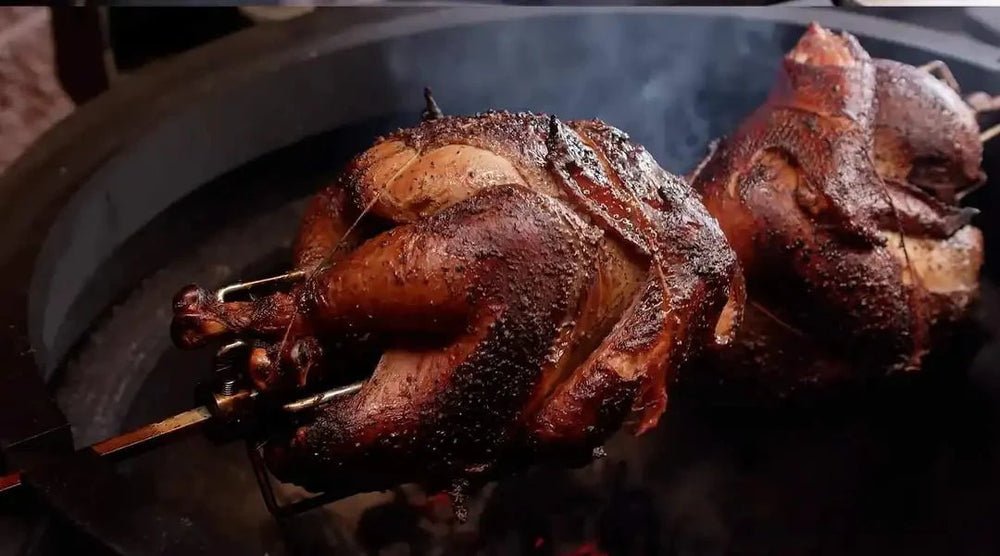
Are you tired of unevenly cooked rotisserie meat that’s either overdone or undercooked on one side? Achieving the perfect balance can feel like an art form, but it doesn’t have to be.
Imagine serving a rotisserie dish that’s perfectly cooked, juicy, and full of flavor—every single time. The secret lies in mastering the balance of your rotisserie meat. In this guide, you’ll discover easy techniques and insider tips that will transform your cooking and impress your guests.
Ready to elevate your culinary skills and achieve that mouthwatering, evenly cooked perfection? Let’s dive into the secrets of balancing rotisserie meat.

Credit: www.victus-srl.com
Choosing The Right Meat
Choosing the right meat is key for a tasty rotisserie meal. Best cutsinclude chicken thighs, pork shoulder, and beef chuck. These cuts stay juicy and cook evenly on the rotisserie.
Fresh meatis better than frozen for rotisserie. It has a better texture and cooks more evenly. Frozen meat might lose moisture and taste less fresh.
| Factor | Why It Matters |
|---|---|
| Marbling | Fat inside the meat keeps it moist and adds flavor. |
| Texture | Meat should be firm but not tough for even cooking. |
Preparing The Meat
Trimming excess fat helps the meat cook evenly on the rotisserie. Tying the meat with kitchen twine keeps it firm and balanced. This prevents wobbling during cooking, ensuring it cooks well on all sides.
- Use a sharp knife for clean cuts.
- Remove large fat pockets but leave some for flavor.
- Wrap twine tightly around the meat in several places.
Seasoning adds taste and helps form a tasty crust. Dry rubs with salt, pepper, and herbs work great. Apply seasoning evenly for balanced flavor throughout.
- Pat meat dry before seasoning to help it stick.
- Use spices like paprika, garlic powder, and thyme.
- Let seasoning sit for 15-30 minutes before cooking.
Marinating infuses the meat with extra flavor and moisture. Use a mix of oil, acid (like lemon or vinegar), and herbs. Soak the meat for at least one hour, or overnight for best taste.
- Keep the meat in the fridge while marinating.
- Turn the meat occasionally to coat evenly.
- Discard leftover marinade to avoid contamination.
Setting Up The Rotisserie
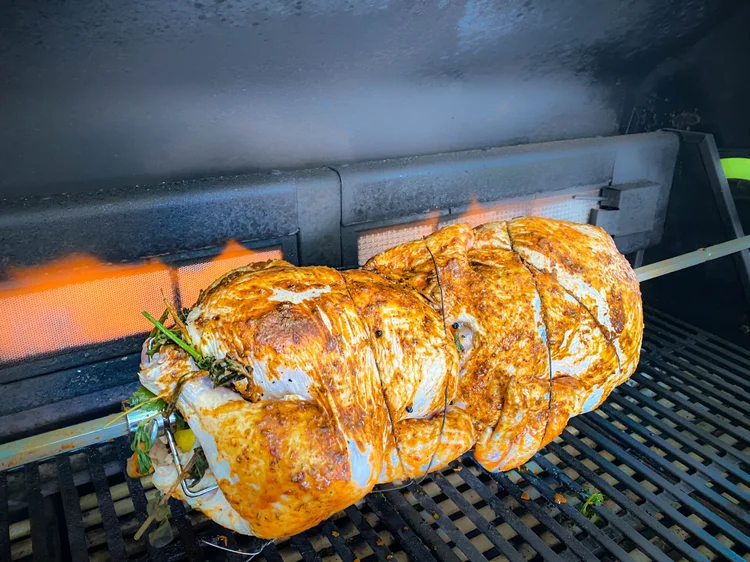
The spitshould be strong enough to hold the meat’s weight. Choose a spit that fits your rotisserie motor and grill size. Assemble the spit by attaching forks securely on both ends. These forks hold the meat in place.
Balancing the load is key. Place the meat evenly on the spit. If the meat is uneven, add another piece on the opposite side. This keeps the spit turning smoothly.
- Use kitchen twine or metal skewers to secure meat tightly.
- Tie the meat in several spots to avoid slipping.
- Make sure no loose ends hang off the spit.
- Check that the meat does not shift when you turn the spit by hand.
Credit: www.followann.com
Cooking Process
Set the rotisserie to a medium heat, around 300-350°F. This helps meat cook evenlywithout burning outside.
Cook poultry for about 20 minutes per pound. Beef or pork needs 15-20 minutes per pound depending on cut size.
Use a meat thermometerto check the inside temperature. For chicken, aim for 165°F, beef for 145°F, and pork for 160°F.
Turn the meat slowly and watch closely. Adjust heat if the meat cooks too fast or gets too dark.
- Keep the rotisserie motor running smoothly.
- Check for hot spots and move meat if needed.
- Let meat rest after cooking for juicier results.
Achieving Perfect Flavor
Bastingadds moisture and flavor during cooking. Use a brush or spoon to coat meat with juices or sauce every 15 minutes. This keeps the meat juicy and tasty.
Glazinggives a shiny, sweet finish. Apply glaze in the last 10 minutes of cooking. It caramelizes and adds a rich taste without burning.
Resting meat is key. Let it sit for 10-15 minutes after cooking. This helps juices spread inside. The meat becomes tender and easier to carve.
For carving, use a sharp knife. Cut against the grainto make slices tender. Thin slices help the meat feel soft and easy to eat.
Troubleshooting Common Issues
Uneven cooking happens when meat is not balanced well on the rotisserie spit. This causes some parts to cook faster than others. To fix this, check the meat’s position and rotate it slightly. Make sure the meat is tightly secured to avoid slipping during cooking.
Dry meat can spoil the meal. Use a marinade or baste the meat often to keep it juicy. Wrapping the meat with foil during part of the cook can also help keep moisture inside.
| Heavy Cuts Problem | Balancing Solution |
|---|---|
| Meat too heavy on one side | Add counterweight like foil or small pieces of meat on the other side |
| Spit motor struggles to turn | Distribute weight evenly and avoid big gaps between pieces |
| Meat slips or rotates | Use meat forks or ties to secure it tightly |

Credit: www.aol.com
Frequently Asked Questions
What Is The Best Way To Balance Rotisserie Meat?
To balance rotisserie meat, ensure even weight distribution on the spit. Secure meat tightly and use counterweights if needed. This prevents uneven cooking and improves flavor consistency.
How Do I Prevent Rotisserie Meat From Tipping?
Prevent tipping by skewering meat evenly and centering it on the spit rod. Use additional skewers or ties to stabilize irregular cuts.
Why Is Balancing Rotisserie Meat Important?
Balancing rotisserie meat ensures uniform cooking and prevents motor strain. It helps achieve juicy, evenly cooked meat and prolongs equipment life.
Can Unbalanced Meat Cause Rotisserie Issues?
Yes, unbalanced meat can cause uneven cooking and motor damage. It may lead to jerky rotation and inconsistent results.
Conclusion
Balancing rotisserie meat adds flavor and texture to your meal. Keep the meat steady on the spit for even cooking. Adjust the weight if the meat tips or spins unevenly. Use simple tools like forks or skewers to help balance.
This small step makes your rotisserie cooking more successful and tasty. Try these tips to enjoy juicy, well-cooked meat every time. Perfect balance means better taste and happy guests. Give it a try and see the difference yourself.