
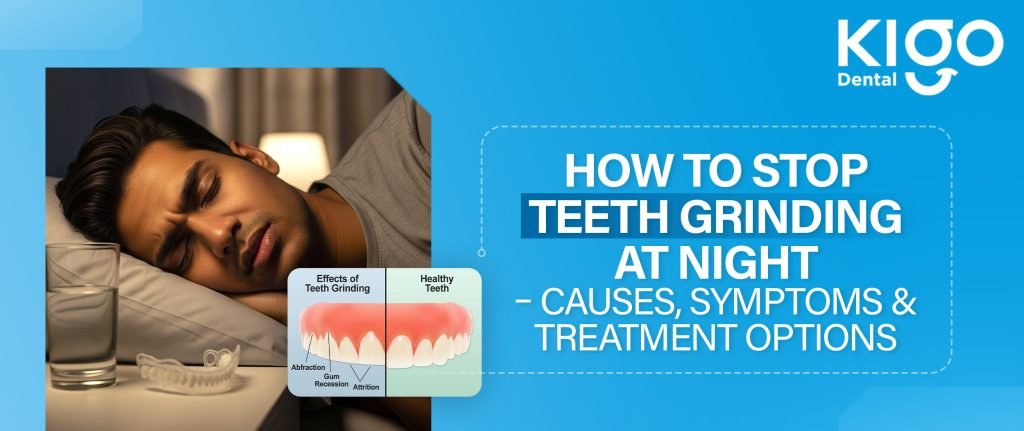
Are you waking up with a sore jaw or headaches? You might be grinding your teeth without even knowing it.
Teeth grinding, or bruxism, can damage your smile and cause serious discomfort. But here’s the good news: you don’t have to live with it. You’ll discover simple, effective ways to stop teeth grinding and protect your teeth. Keep reading to learn how you can take control and find relief starting today.
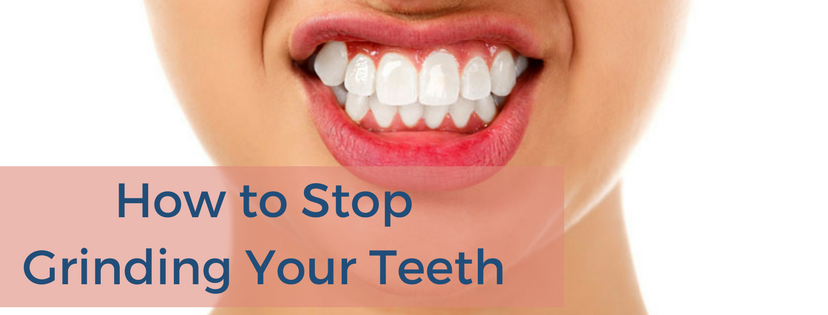
Credit: adofw.com
Causes Of Teeth Grinding
Stress and anxietyoften cause teeth grinding during sleep. Tension builds up in the jaw muscles, leading to clenching. This can happen after a tough day or during worries.
Sleep disorderslike sleep apnea or snoring can trigger grinding. The body reacts to breathing problems by tightening the jaw. This grinding may happen without knowing.
Misaligned teethcreate uneven bite pressure. The mouth tries to correct this by grinding teeth at night. This can wear down teeth over time and cause pain.
Lifestyle factorssuch as caffeine, alcohol, and smoking increase the risk. These habits can make jaw muscles tense or disrupt sleep. Poor sleep hygiene can also worsen grinding.

Credit: www.dentistryondusk.com
Signs And Symptoms
Jaw pain and sorenessoften happen after nights of teeth grinding. The muscles around the jaw feel tight or achy. This discomfort may last for hours or even days.
Tooth damageis another clear sign. Teeth can become chipped, cracked, or worn down. This can cause sensitivity and increase the risk of cavities.
Headachesin the morning or after sleep are common. The pressure from grinding puts stress on the head and neck muscles.
Sleep disruptionshappen because grinding makes it hard to rest well. It can wake you or your partner during the night. This leads to tiredness and poor focus the next day.
Lifestyle Changes To Reduce Grinding
Stressoften causes teeth grinding. Try deep breathing, meditation, or gentle yoga. These help calm the mind and reduce tension.
Caffeineand alcoholcan make grinding worse. Limit coffee, tea, soda, and drinks with alcohol, especially in the evening.
Keep a regular sleep schedule. Go to bed and wake up at the same time every day. A calm routine helps your body relax and lowers grinding risk.
Dental Solutions
Mouthguardsand splintshelp protect teeth from grinding damage. These devices fit over your teeth and stop them from rubbing together. They are often made by dentists to fit your mouth perfectly. Wearing them at night can reduce pain and prevent tooth wear.
Corrective dental treatmentsfix alignment problems that cause grinding. Sometimes, crooked teeth or a bad bite lead to grinding. Treatments like braces or crowns can help. These changes make your bite more comfortable and reduce grinding forces.
Professional Treatments
Therapy options include cognitive behavioral therapy (CBT), which helps reduce stress and anxiety. This can lower the chance of teeth grinding at night.
Medications might be prescribed to relax muscles or improve sleep quality. Muscle relaxants are common for short-term use. Sometimes, doctors suggest anti-anxiety drugs.
Biofeedbackuses devices to help people learn how to control jaw muscles. It provides real-time information on muscle tension. This technique trains the body to relax and avoid grinding.

Credit: www.smiledentalturkey.com
Preventive Habits
Jaw exerciseshelp relax muscles and reduce grinding. Try gently opening your mouth wide, then slowly closing it. Repeat this motion several times a day. Another good exercise is moving your jaw from side to side. These simple moves ease tension in your jaw muscles.
- Avoid chewing non-food itemslike pens, pencils, or nails.
- Chewing such items strains your jaw and increases grinding risk.
- Focus on chewing only soft, safe foods to protect teeth and jaw.
- Keep your mouth busy with healthier habits like chewing sugar-free gum.
Frequently Asked Questions
What Causes Teeth Grinding During Sleep?
Teeth grinding, or bruxism, is often caused by stress, anxiety, or misaligned teeth. Sleep disorders and certain medications can also trigger it. Identifying the cause helps in choosing the right treatment to prevent damage to teeth and improve sleep quality.
How Can Stress Reduction Prevent Teeth Grinding?
Reducing stress through relaxation techniques, meditation, and exercise lowers muscle tension that leads to grinding. Managing daily stress improves sleep and decreases the chances of involuntary teeth clenching at night.
Are Mouth Guards Effective For Teeth Grinding?
Yes, custom-fitted mouth guards protect teeth by cushioning the bite. They prevent enamel wear and reduce jaw muscle strain, making them a common and effective solution for nighttime teeth grinding.
Can Lifestyle Changes Help Stop Teeth Grinding?
Yes, avoiding caffeine, alcohol, and tobacco reduces grinding intensity. Regular sleep patterns and jaw relaxation exercises also decrease bruxism frequency, promoting better oral health and comfort.
Conclusion
Avoiding teeth grinding protects your teeth and improves your sleep. Practice stress relief and create a calming bedtime routine. Use a mouthguard if a dentist suggests it. Watch your caffeine and alcohol intake, especially at night. Stay aware of your habits during the day.
Small changes can make a big difference. Keep your jaw relaxed and take breaks if you feel tension. Healthy teeth and peaceful nights are worth the effort. Start today for a healthier smile tomorrow.