
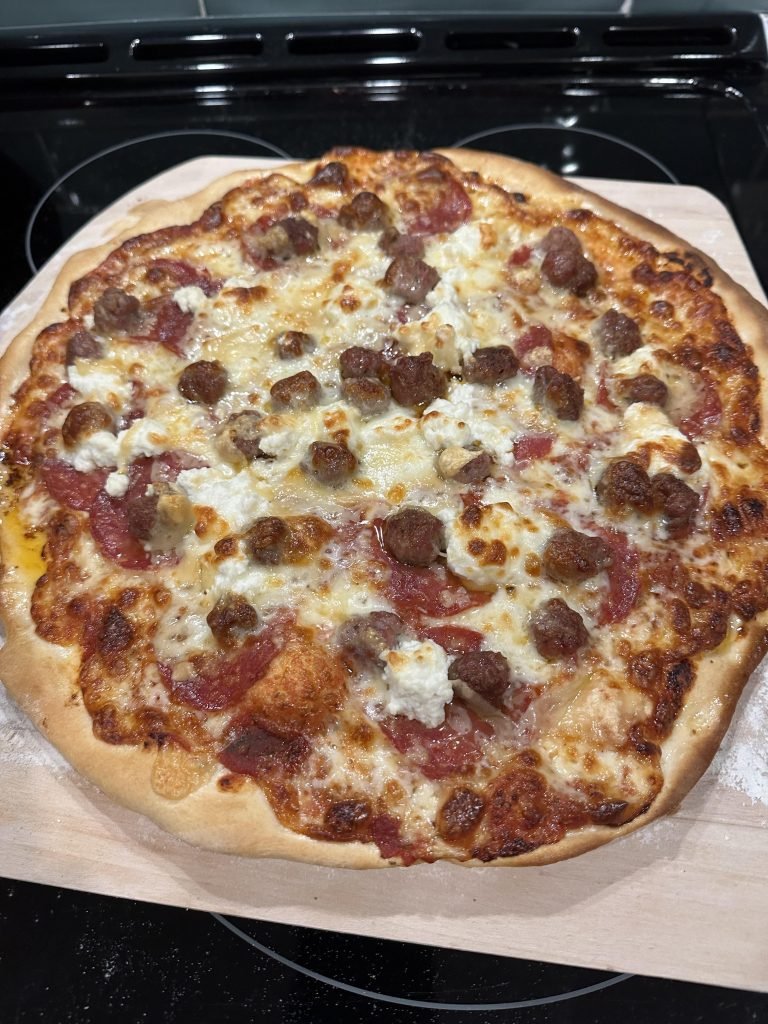
Imagine this: you’re all set to impress your friends or family with a homemade pizza, fresh from your oven. You’ve prepared the perfect dough, chosen your favorite toppings, and preheated your pizza stone.
Everything seems perfect until you try to slide that pizza onto your plate, only to find it stubbornly stuck to the stone. Frustrating, right? You’re not alone. Many pizza enthusiasts face this sticky situation, which can turn a delightful cooking experience into a doughy disaster.
But don’t worry; we’ve got the solutions you need. We’ll explore simple and effective techniques to prevent your dough from sticking to the pizza stone, ensuring each pizza you make is as seamless as it is delicious. Read on, and transform your pizza-making process from sticky to smooth.
Choosing The Right Pizza Stone
Choosing the right pizza stonehelps prevent dough from sticking. The materialaffects heat distribution and surface texture. Common options include ceramic, cordierite, and cast iron. Ceramic stones absorb heat well but can crack easily. Cordierite is durable and resists thermal shock. Cast iron heats quickly and offers a non-stick surface when seasoned.
Size and thicknessmatter too. Larger stones hold heat better, giving a crisp crust. Thicker stones retain heat longer but take more time to warm up. A stone that fits your oven size ensures even cooking and avoids hot spots.
| Stone Type | Benefits | Drawbacks |
|---|---|---|
| Ceramic | Good heat absorption | Can crack easily |
| Cordierite | Durable, resists thermal shock | Heavier than ceramic |
| Cast Iron | Quick heating, non-stick when seasoned | Needs care to avoid rust |
Seasoned stoneshave a natural non-stick surface from repeated use. New stones may need preheating and flour dustingto stop sticking. Regular cleaning and avoiding soap keep seasoning intact.

Credit: www.amazon.com
Preparing The Pizza Stone
Cleaning the pizza stonebefore use is very important. Avoid using soap because the stone can absorb it. Use a brush or scraper to remove food bits. Wipe with a damp cloth only. Let it dry fully before heating. This keeps the stone clean without damage.
Always preheat the stoneinside the oven. Place it on the middle rack and heat for at least 30 minutes. This helps the stone get very hot and cook the dough evenly. Cold stones cause dough to stick more.
- Sprinkle a thin layer of cornmealor flour on the stone before placing dough.
- Cornmeal works like tiny ball bearings to stop sticking.
- Flour also helps but can burn if too much is used.
- Use just enough to cover the stone surface lightly.
Dough Handling Tips
Optimal dough hydrationhelps prevent sticking. Dough should be soft but not too wet. Too much water makes the dough sticky and hard to shape. A good balance allows easy handling and better texture.
Shaping without stickinessneeds a light dusting of flour or cornmeal. Use your hands gently to stretch the dough. Avoid pressing too hard, which causes sticking. Keep the surface dry and smooth for better results.
Resting the doughis key. Let it sit for 15-30 minutes before shaping. Rest time relaxes gluten and reduces stickiness. It also makes the dough easier to stretch without tearing.

Credit: www.reddit.com
Baking Practices To Prevent Sticking
Preheat the pizza stoneto the right temperature before baking. Too low heat causes dough to stick. Too high heat can burn the dough’s bottom. Aim for a steady, hot stone around 450°F (232°C).
Keep an eye on timing your bake. Baking too long dries the dough and makes it stick. Bake just until the crust is golden and cheese bubbles. Remove pizza quickly to avoid sticking.
Using parchment paperhelps a lot. It creates a thin layer between dough and stone. This stops the dough from sticking and makes cleanup easier. Cut paper to size and place pizza on it before sliding onto stone.
Maintenance For Long-term Use
Soap and harsh cleanerscan damage the pizza stone. Use only warm water and a brushto clean it. Avoid soaking the stone for a long time. Let the stone dry completely before storing it.
Store the pizza stone in a dry place. Keep it away from moisture and sudden temperature changes. Place it in a safe spotto avoid cracks and chips.
Regular seasoninghelps keep the stone non-stick. Rub a thin layer of vegetable oilon the surface after cleaning. Bake the stone at a low temperature for about 30 minutes to set the oil.

Credit: www.chefpomodoro.com
Frequently Asked Questions
How Can I Prevent Dough From Sticking To A Pizza Stone?
To prevent sticking, preheat the pizza stone thoroughly. Lightly dust the dough with flour or cornmeal before placing it on the stone. Avoid using excessive water on the dough’s surface to reduce stickiness.
Is Cornmeal Better Than Flour For Pizza Stones?
Yes, cornmeal adds texture and prevents sticking effectively. It acts as tiny ball bearings, allowing easy dough transfer. Flour can also work but may burn and stick more than cornmeal.
Should I Oil My Pizza Stone To Stop Sticking?
No, avoid oiling pizza stones. Oil can bake into the stone, causing smoke and uneven cooking. Instead, use flour or cornmeal as a natural barrier to prevent sticking.
How Hot Should My Pizza Stone Be To Avoid Dough Sticking?
Preheat the stone at 475°F to 500°F for at least 30 minutes. A hot stone creates a crust quickly, reducing dough contact and stickiness. Proper heat is crucial for easy pizza removal.
Conclusion
Avoiding dough sticking to your pizza stone keeps baking fun and easy. Use flour or cornmeal to dust the stone well. Preheat the stone to the right temperature before placing dough on it. Keep dough thickness even to prevent sticking.
Clean your pizza stone gently after each use. These simple steps help you enjoy perfect pizza every time. Enjoy baking without the mess and stress. Your pizza stone will last longer and work better too. Give these tips a try and taste the difference.