
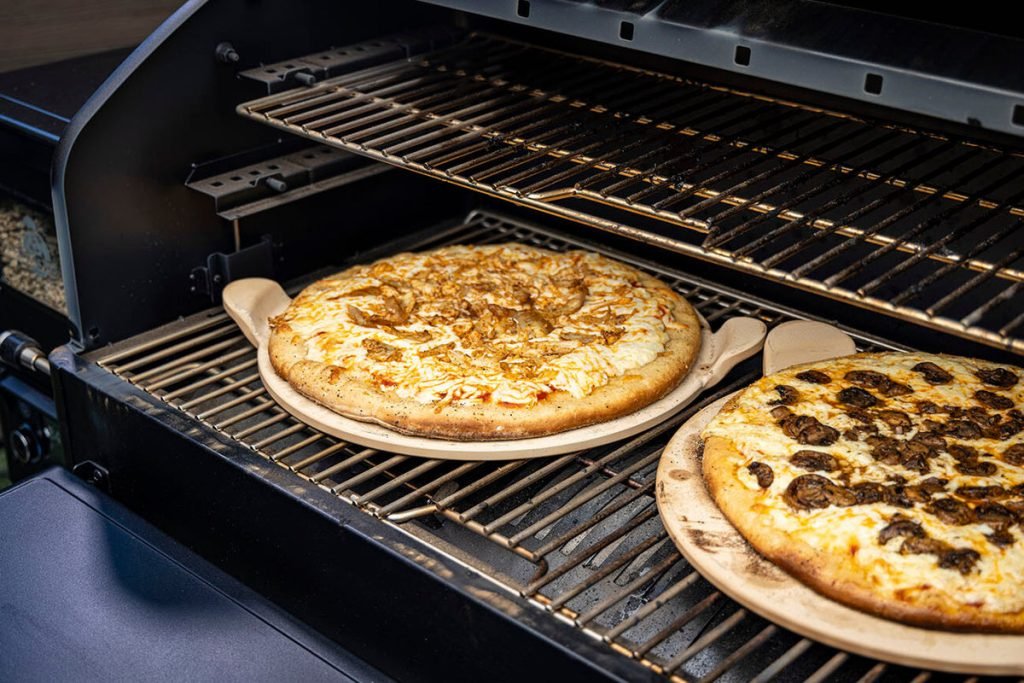
You love the crispy, golden crust that makes pizza irresistible. But when you use a pizza stone on your grill, sometimes your crust turns out soggy instead.
It’s frustrating, isn’t it? You want that perfect crunch every time, not a limp, doughy mess. The good news is, you can fix this. You’ll discover simple, effective tricks to avoid a soggy crust on your pizza stone grill. Keep reading, and you’ll soon enjoy pizzeria-quality pizza right at home—crispy, delicious, and just the way you like it.
Choosing The Right Pizza Stone
Pizza stonescome in different materials. Each affects how well it holds heat. Ceramic stones heat evenly but can crack easily. Cordierite stones resist heat and won’t break as fast. Cast iron stones heat very fast but need care to avoid rust. Choose a stone that fits your grill size well.
The size and thicknessof the stone matter too. Thicker stones hold heat longer and cook pizza crust better. A stone that is too small won’t heat evenly and may cause a soggy crust. Pick a stone big enough for your pizza and grill space.
| Material | Heat Retention | Durability | Care Needed |
|---|---|---|---|
| Ceramic | Good | Fragile | Handle gently |
| Cordierite | Excellent | Strong | Low |
| Cast Iron | Very Fast | Rusts easily | Season regularly |
Preparing The Pizza Stone
Start by placing the pizza stone in a cold grill. This helps the stone heat evenly and avoids cracks. Let the stone warm up slowly over 30-45 minutes. A hot stone cooks pizza quickly and keeps the crust crisp.
Use a grill thermometer to check the temperature. The stone should reach at least 500°F (260°C). Avoid putting the pizza on a cold or warm stone. This causes soggy crust from trapped moisture.
- Keep the grill lid closed while preheating to trap heat and moisture.
- Place a small fan or vent near the grill to help moisture escape.
- Use a pizza peel to transfer pizza quickly, reducing moisture build-up.
Wipe the stone with a dry cloth before cooking. Avoid using water or soap, as it can soak into the stone and create steam. Steam softens the crust and makes it soggy.
Dough Preparation Tips
Keeping the dough’s hydration levelbalanced helps avoid soggy crusts. Too much water makes the dough wet and sticky, causing steam that softens the crust.
Use 60-65% hydrationfor a good balance. This means for every 100 grams of flour, use 60-65 grams of water. This keeps the dough moist but not wet.
Choosing the right flouralso matters. High-protein flour like bread flour creates a stronger dough. It traps air better and gives a crisp crust.
All-purpose flour works but may yield a softer crust. Experiment to find what suits your taste and grill setup best.
Credit: www.easycookedrecipes.com
Topping And Sauce Tips
Too much saucecan make the crust soggy. Use just enough to cover the dough thinly. Thick sauce layers hold water and wet the stone.
Choose low-moisture toppingslike pepperoni or cooked vegetables. Fresh vegetables have water that leaks out while cooking. This makes the crust wet and soft.
- Drain wet toppings before placing on pizza.
- Pat fresh toppings dry with a paper towel.
- Avoid watery cheeses like fresh mozzarella unless you squeeze out water.
Grilling Techniques
Maintaining high heatis key to a crispy pizza crust. Preheat the pizza stone for at least 30 minutes. This keeps the stone hot enough to cook the dough quickly, preventing sogginess. Avoid opening the grill too often, as this lowers the temperature.
Using indirect heat zoneshelps control the cooking process. Place the pizza stone away from direct flames. This stops the crust from burning while the toppings cook evenly. Rotate the pizza if needed for uniform heat.
- Preheat the stone well before placing the pizza
- Keep grill lid closed during cooking
- Set one zone with direct heat off
- Place pizza stone on indirect heat side
- Turn pizza halfway through cooking

Credit: www.numberanalytics.com
Post-cooking Tips
Let the pizza rest on the stone for a few minutes. This helps the crust stay crispand not get soggy. Avoid cutting the pizza immediately; the steam inside needs time to settle.
Serve the pizza on a wire rack or a plate that lets air flow underneath. This stops moisture from making the crust soft. Store leftovers in a way that keeps the crust firm.
- Use an airtight container or wrap pizza with foil.
- Reheat in an oven or on the grill to keep crust crisp.
- Avoid microwaving as it can make the crust chewy or soggy.
Cleaning And Maintenance
Removing all moisturefrom the pizza stone is key to avoid soggy crust. Let the stone cool completelyafter use. Wipe it down with a dry cloth or paper towel to absorb any dampness. Avoid using water or soap, as the stone can absorb liquids.
Proper stone care helps keep it dry and readyfor cooking. Store the stone in a dry placewith good air circulation. Avoid stacking heavy items on top, which can cause cracks.
| Cleaning | Maintenance |
|---|---|
| Use a dry cloth to wipe residue | Store in a dry, ventilated area |
| Never soak or wash with soap | Allow to cool before cleaning |
| Scrape off stuck bits gently | Avoid heavy pressure or stacking |

Credit: www.reddit.com
Frequently Asked Questions
How Do I Prevent Soggy Crust On A Pizza Stone Grill?
To avoid soggy crust, preheat the pizza stone thoroughly before baking. Use a high heat setting and avoid excess toppings that release moisture.
Why Is My Pizza Crust Soggy On The Pizza Stone?
Soggy crust often results from insufficient preheating, too much sauce, or excess moisture in toppings. Proper heat and balanced ingredients prevent this.
Can I Use A Pizza Stone For Crispy Crust Every Time?
Yes, a well-preheated pizza stone absorbs moisture and distributes heat evenly, ensuring a consistently crispy crust when used correctly.
How Long Should I Preheat My Pizza Stone Grill?
Preheat the pizza stone for at least 30-45 minutes at high temperature. This ensures even heat distribution and prevents sogginess.
Conclusion
Achieving a crisp pizza crust on a stone grill is simple. Start by preheating your grill properly. This ensures a hot surface for your dough. Place the pizza on the stone quickly to retain heat. Use the right amount of sauce and toppings.
Too much can make the crust soggy. Remember, less is more for a crispy bite. Keep the lid closed while grilling. This traps heat and cooks evenly. Check the pizza often for perfect timing. Enjoy your delicious homemade pizza with confidence.
Now you’re ready to impress with every slice!