
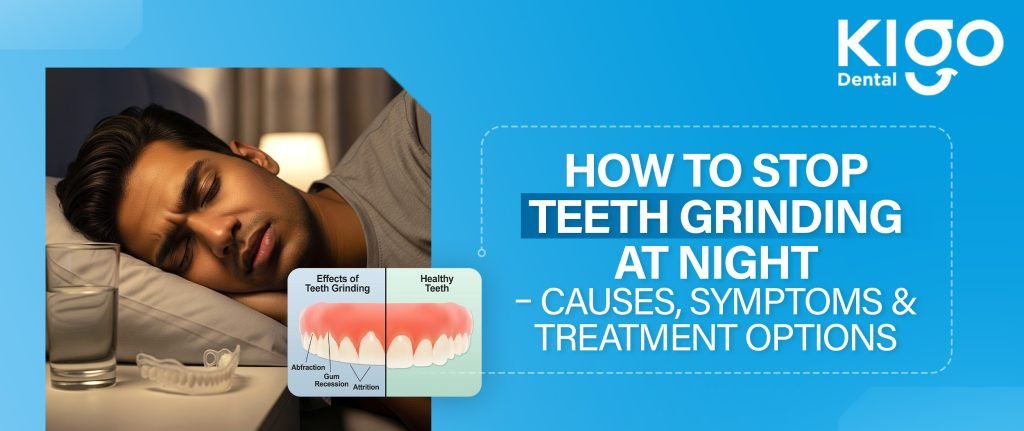
Do you wake up with a sore jaw or notice worn-down teeth? You might be grinding your teeth without even realizing it.
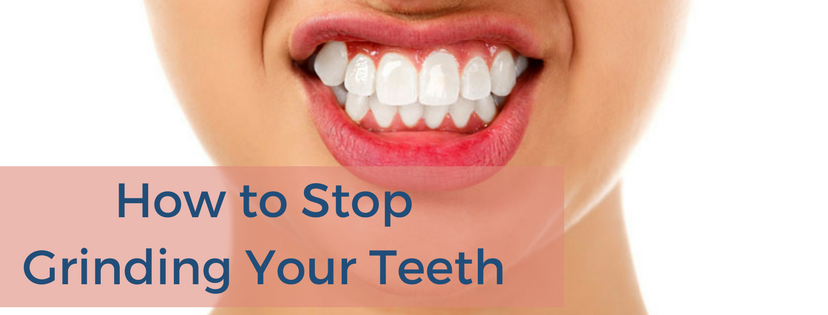
Teeth grinding can cause pain, headaches, and damage to your smile over time. But the good news is, you don’t have to live with it. You’ll discover simple, effective ways to stop grinding your teeth and protect your oral health.
Keep reading to learn how you can find relief and keep your smile strong.
Causes Of Teeth Grinding
Stress and anxietycan cause teeth grinding. People often grind their teeth when feeling tense or worried. This happens mostly during sleep or times of rest.
Sleep disorderslike sleep apnea can lead to grinding. These disorders disturb normal sleep patterns. The body reacts by tightening jaw muscles.
Misaligned teethmay cause discomfort and grinding. When teeth don’t fit well, the jaw works harder to chew. This can wear down teeth over time.
Lifestyle factorssuch as caffeine, alcohol, and smoking increase grinding risk. These habits can make muscles tense or affect sleep quality. Reducing them helps protect teeth and jaw muscles.
Symptoms To Watch For
Jaw pain and sorenessoften feel like a dull ache or stiffness. It can make opening and closing your mouth hard. This pain may worsen in the morning.
Tooth damageshows as worn or cracked teeth. Grinding wears down the enamel, making teeth sensitive. You might notice chips or flat spots on teeth.
Headachesfrom grinding often start at the temples. They can feel like a tight band around your head. These headaches may happen after sleep.
Sleep disturbancesinclude trouble falling or staying asleep. Grinding can cause restless nights for you and your partner. Loud noises from grinding may wake you up.
Daily Habits To Reduce Grinding
Stress often causes teeth grinding. Try deep breathing or meditation to stay calm. These stress management techniqueshelp relax your mind and body.
Avoiding stimulants like caffeine and nicotine in the evening can reduce grinding. These stimulating substancesmake your muscles tense and increase grinding risks.
Simple jaw exercises can ease muscle tension. Open and close your mouth slowly. Move your jaw side to side to relax muscles. These exercisesreduce tightness that leads to grinding.
Good sleep habits are important. Keep a regular bedtime and create a calm sleep space. Proper sleep hygienehelps your body relax and lowers grinding chances.
Credit: adofw.com
Home Remedies And Tools
Warm compresseshelp relax tight jaw muscles. Place a warm cloth on your cheeks for 10 minutes. This reduces pain and eases tension.
Mouthguards and splintsprotect your teeth from damage. A dentist can fit a soft or hard guard for night use. It stops grinding and jaw strain.
- Relaxation practiceslower stress, a common cause of grinding. Try deep breathing or gentle stretching before bed.
- Yoga or meditation can calm your mind and reduce jaw clenching.
| Dietary Adjustments | Benefits |
|---|---|
| Avoid caffeine and alcohol | These increase teeth grinding and muscle tension |
| Eat soft foods | Less chewing reduces jaw stress |
| Stay hydrated | Good hydration helps muscle function |
When To Seek Professional Help
Persistent teeth grinding can cause pain and damage. Seeking professional helpis important if symptoms worsen or last long. Dentists offer various treatmentsto protect teeth and reduce grinding.
- Dental Treatments:Custom mouthguards or splints can protect teeth during sleep.
- Therapies for Stress:Counseling or relaxation techniques help lower stress, a common cause of grinding.
- Sleep Study Options:Tests can check for sleep disorders that may trigger grinding.
- Medication Possibilities:Muscle relaxants or other drugs might be prescribed to ease symptoms.

Credit: sentinelmouthguards.com

Credit: www.smiledentalturkey.com
Frequently Asked Questions
What Causes Teeth Grinding During Sleep?
Teeth grinding, or bruxism, often results from stress, anxiety, or sleep disorders. Misaligned teeth and lifestyle habits can also contribute. Identifying triggers helps prevent damage and improves sleep quality.
How Can Stress Reduction Prevent Teeth Grinding?
Reducing stress through relaxation techniques lowers the chances of grinding teeth. Practices like meditation, deep breathing, and exercise calm the mind and muscles, minimizing nighttime clenching and protecting dental health.
Are Mouth Guards Effective For Grinding Teeth?
Yes, mouth guards create a barrier between teeth, preventing wear and damage. Custom-fitted guards from dentists offer the best protection and comfort, especially during sleep.
Can Diet Influence Teeth Grinding Habits?
Certain foods and drinks, like caffeine and alcohol, can increase teeth grinding. Maintaining a balanced diet and limiting stimulants helps reduce muscle tension and the likelihood of clenching.
Conclusion
Grinding teeth can cause pain and damage over time. Try to relax your jaw and reduce stress daily. Use a mouthguard at night if needed. Visit your dentist to check your teeth regularly. Small changes help protect your smile and health.
Stay aware of your habits to stop grinding early. Taking care now saves discomfort later. Keep your teeth safe and your mouth comfortable. Simple steps make a big difference every day.