
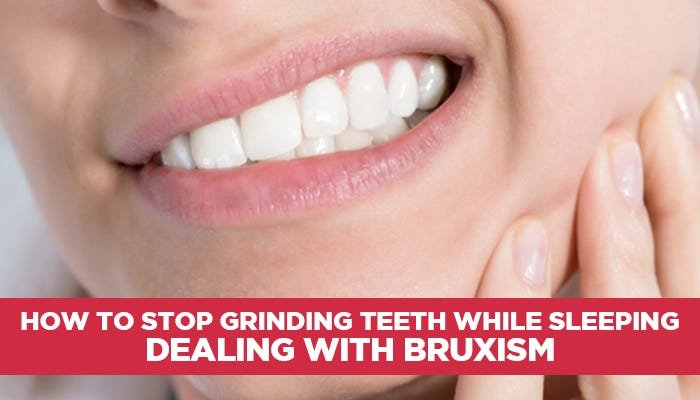
Do you wake up with a sore jaw or a headache and wonder why? You might be grinding your teeth while sleeping without even realizing it.
This habit can damage your teeth and cause discomfort throughout the day. But don’t worry—there are simple steps you can take to stop grinding and protect your smile. Keep reading to discover easy, effective ways to prevent teeth grinding and enjoy a peaceful, pain-free sleep.
Your mouth will thank you!

Credit: kigodental.com
Causes Of Teeth Grinding
Teeth grindinghappens for many reasons. Stress and anxietyoften make muscles tense. This tension can cause teeth to grind at night. Sleep disorderslike sleep apnea or snoring may also lead to grinding. These problems disturb normal sleep patterns. Misaligned teethcan create uneven pressure when biting. This misalignment causes the jaw to move oddly, leading to grinding. Lifestyle factorssuch as drinking too much caffeine or alcohol can increase the chance of grinding. Smoking and certain medications also play a role. Poor sleep habits, like irregular sleep times, might add to the problem.
- Stress and Anxiety:Muscle tension causes grinding.
- Sleep Disorders:Interrupted sleep leads to jaw movements.
- Misaligned Teeth:Uneven bite causes muscle strain.
- Lifestyle Factors:Caffeine, alcohol, smoking worsen grinding.
Credit: vancouverdentistbc.ca
Signs Of Nighttime Teeth Grinding
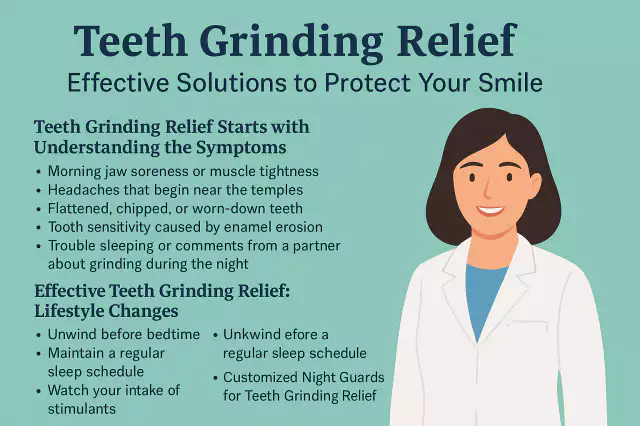
Jaw pain and sorenessare common signs of grinding teeth at night. Your jaw may feel tight or tired in the morning. Sometimes, it can hurt to chew or open your mouth wide.
Headachesoften happen after a night of teeth grinding. These headaches usually start near the temples and can last for hours. They can make it hard to focus during the day.
Worn tooth surfacesshow that grinding has been happening for some time. Teeth may look flat, chipped, or cracked. This damage can lead to sensitivity and pain.
Sleep disruptionscan occur due to grinding. The noise from grinding might wake you or your partner. Also, the discomfort can cause restless sleep, leaving you tired the next day.
Lifestyle Changes To Reduce Grinding
Stress can cause teeth grinding. Try deep breathing or meditation to relax. These simple exercises help calm the mind and body before sleep.
Caffeine and alcohol can make grinding worse. Drink less coffee, tea, or soda in the evening. Avoid alcohol close to bedtime for better sleep quality.
Going to bed and waking up at the same time helps. A regular sleep routine signals your body to rest. This can reduce grinding during sleep.
Chewing on pens, nails, or other objects strains your jaw. Avoid these habits to protect your teeth. Use sugar-free gum if you need to chew something.
Protective Devices For Teeth
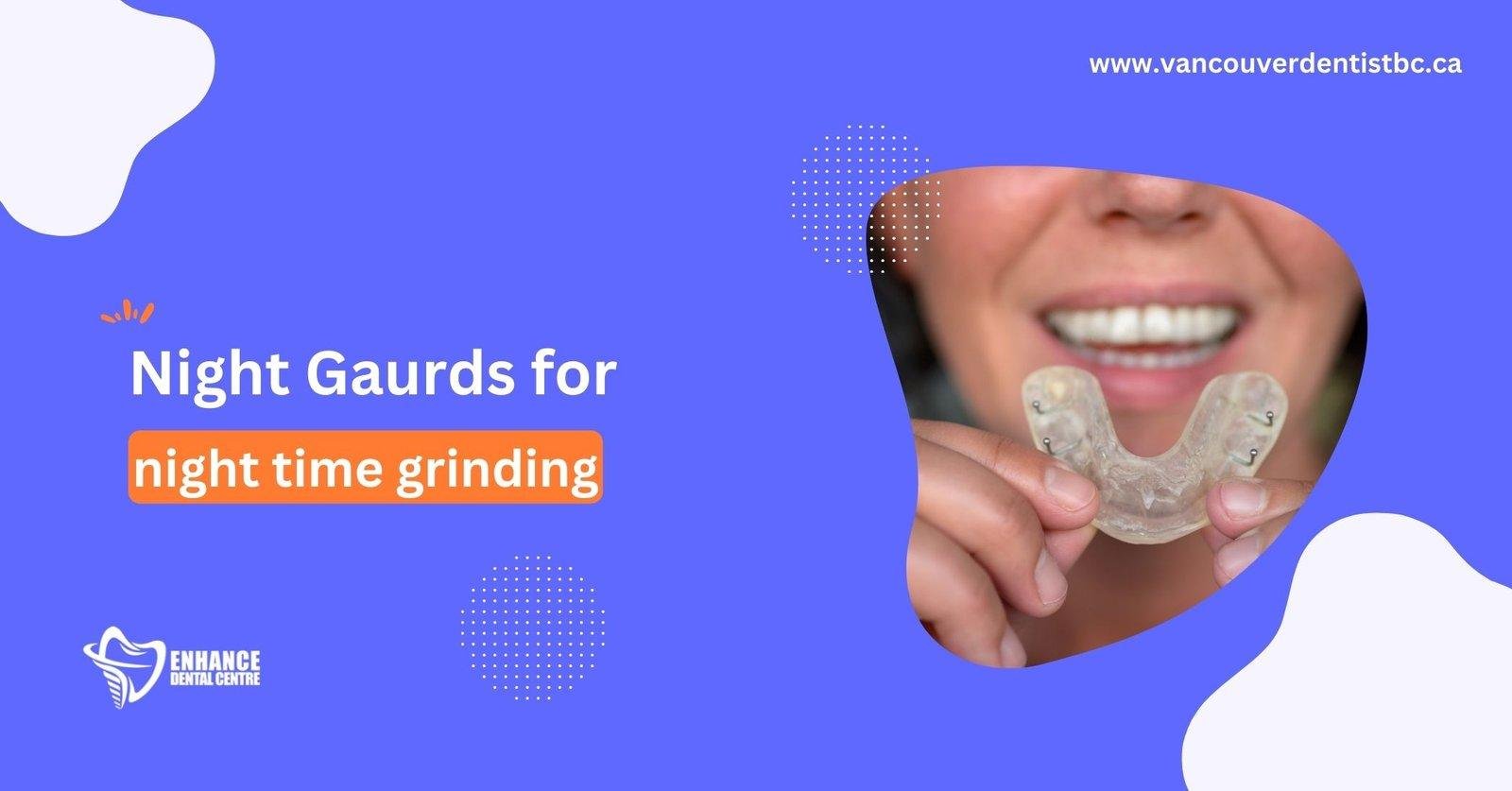
Mouthguardsand splints help protect teeth from grinding damage. They create a barrier between upper and lower teeth, reducing wear and jaw stress. Custom mouthguards fit perfectly. Dentists make them based on molds of your teeth. Over-the-counter options are cheaper and ready to use but may not fit well. Poor fit can cause discomfort or less protection.
Proper use means wearing the device every night. Clean it daily with mild soap and water. Avoid hot water that can warp the material. Store mouthguards in a dry, clean case. Replace them if they show signs of wear or no longer fit well. Regular dentist visits help check the device and your teeth health.
Medical And Dental Treatments
Dental correctionshelp fix teeth alignment issues causing grinding. Special mouth guards can protect teeth during sleep. These guards stop damage and reduce noise from grinding.
Botox injectionsrelax jaw muscles. This reduces the force of grinding and eases muscle pain. It is a short-term treatment needing repeat visits.
Therapy for underlying issuesaddresses stress and anxiety, common causes of teeth grinding. Techniques like counseling or relaxation exercises help calm the mind. Treating these issues can lower grinding frequency.
Home Remedies And Relaxation Techniques
Applying a warm compressto the jaw can ease muscle tension. This helps reduce grinding by relaxing tight muscles. Use a warm towel for 10-15 minutes before bedtime. Be careful not to use heat that is too hot.
- Jaw exercisesstrengthen and relax jaw muscles.
- Try slowly opening and closing your mouth.
- Move your jaw side to side gently.
- Repeat these exercises for a few minutes daily.
Meditationhelps calm the mind and body. Try deep breathing before sleep. Breathe in slowly through your nose. Hold for a few seconds. Then breathe out gently through your mouth. Repeat this several times until you feel relaxed.
When To See A Professional
Persistent teeth grinding can cause pain and damage. It may wake you up or cause headaches. If symptoms last for weeks, seeing a dentist is wise.
Severe tooth damage from grinding wears down enamel. It can cause cracks or loose teeth. A professional can suggest treatments to protect your teeth.
Difficulty sleeping due to grinding affects rest and mood. It may cause tiredness during the day. A doctor can help find ways to improve sleep quality.
- Persistent symptoms:pain, headaches, jaw soreness
- Severe tooth damage:worn enamel, cracked teeth, sensitivity
- Difficulty sleeping:restlessness, frequent waking, poor sleep quality
Credit: hunterspointdentistry.com
Frequently Asked Questions
What Causes Teeth Grinding During Sleep?
Teeth grinding, or bruxism, often results from stress, anxiety, or sleep disorders. Misaligned teeth and lifestyle factors can also contribute. Identifying triggers helps in managing and preventing grinding effectively.
How Can I Stop Grinding Teeth At Night Naturally?
Reducing stress through relaxation techniques and avoiding caffeine before bed helps. Using a mouthguard and practicing good sleep hygiene also prevent grinding naturally. Regular dental check-ups are essential.
Are Mouthguards Effective For Preventing Teeth Grinding?
Yes, mouthguards protect teeth by cushioning the jaw and reducing grinding impact. Custom-fitted guards from dentists provide the best comfort and effectiveness. Over-the-counter options are less precise but still helpful.
Can Diet Affect Nighttime Teeth Grinding?
Yes, excessive caffeine and alcohol increase teeth grinding risk. A balanced diet and avoiding stimulants before sleep reduce bruxism chances. Staying hydrated and eating magnesium-rich foods may help relax muscles.
Conclusion
Stopping teeth grinding at night protects your smile and health. Try relaxing before bed. Use a mouth guard if your dentist suggests it. Avoid caffeine and stress in the evening. Keep a regular sleep schedule for better rest. Small changes can bring big relief.
Take care of your teeth and body. Sleep peacefully without worry. You deserve a calm, healthy night.