

Are you waking up with a sore jaw or headaches? Grinding your teeth at night could be the hidden culprit.
This common habit can damage your teeth and affect your sleep quality without you even realizing it. But don’t worry—there are simple, effective ways you can stop grinding and protect your smile. Keep reading to discover easy steps you can take tonight to wake up feeling refreshed and pain-free.
Your teeth—and your mornings—will thank you.
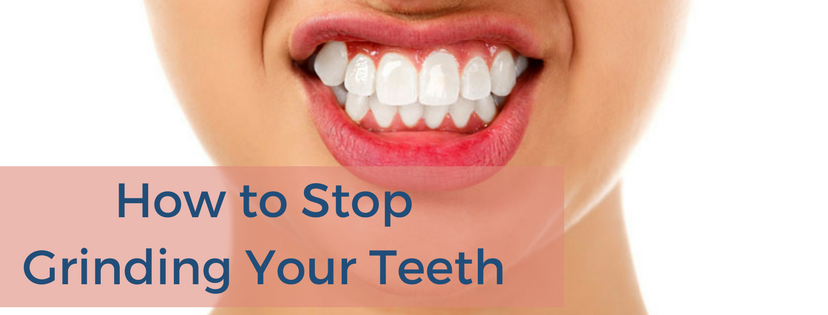
Credit: adofw.com
Causes Of Teeth Grinding
Stress and anxietyoften cause teeth grinding at night. Tense feelings can make jaw muscles tighten unconsciously. This happens especially during deep sleep phases.
Sleep disorderslike sleep apnea can trigger grinding. These conditions disturb normal sleep and cause the body to react by clenching teeth.
Misaligned teethcreate uneven pressure in the mouth. The jaw tries to adjust, leading to grinding or clenching as a way to find comfort.
- Lifestyle factorssuch as smoking, caffeine, and alcohol increase the chance of grinding.
- Chewing gum or biting nails may also worsen jaw tension.
- Poor sleep habits can add stress, making grinding more likely.

Credit: sweetguards.com
Signs And Symptoms
Morning jaw paincan feel like soreness or tightness. It may last for hours. Some people feel it only on one side. This pain shows your jaw muscles worked hard all night.
Tooth damageincludes worn-down surfaces or chips. Teeth may become sensitive or loose. Dentists can spot these signs during check-ups.
Headachesoften start near the temples. They can be dull or sharp. These headaches happen because of muscle tension.
Sleep disruptionmeans restless nights or waking up tired. Grinding noises might wake your partner. Poor sleep affects mood and focus.
Lifestyle Changes
Stress managementhelps reduce teeth grinding at night. Try deep breathing or meditation daily. These calm your mind and body. Regular exercise also lowers stress and tension.
Cutting back on caffeine and alcoholcan improve sleep quality. Both substances may increase jaw clenching. Avoid coffee, tea, and energy drinks late in the day. Limit alcohol to early evening.
Creating a consistent sleep routinesupports better rest. Go to bed and wake up at the same time each day. A calm, dark room helps you relax. Avoid screens and bright lights before sleep.
Protective Devices
Mouthguardsand splintshelp protect teeth from grinding damage. They create a barrier between upper and lower teeth, reducing wear and pain. Two main types exist: custom-madeand over-the-counter.
| Type | Features | Pros | Cons |
|---|---|---|---|
| Custom-made | Made by dentist to fit perfectly | Comfortable, effective, durable | More expensive, takes time to get |
| Over-the-Counter | Ready-made or boil-and-bite options | Cheap, easy to buy | Less comfortable, may not fit well |
Choosing the right device depends on comfort, budget, and severity of grinding. Proper fit ensures better protection and easier use.
Medical Treatments
Dental correctionscan help protect teeth from grinding damage. Custom-made mouth guards or splints fit over teeth. These devices stop teeth from rubbing together. They reduce pain and prevent wear. Dentists may also adjust the bite to ease pressure on teeth. This helps relax jaw muscles and reduce grinding.
Medication optionsinclude muscle relaxants to ease jaw tension. Sometimes, doctors suggest anti-anxiety drugs to calm stress that causes grinding. Pain relievers can help if jaw pain is severe. Use medicines only under doctor’s advice to avoid side effects.
Therapies for sleep disorderstarget problems like sleep apnea that worsen teeth grinding. Treatments include using a CPAP machine to keep airways open. Behavioral therapy can teach relaxation before sleep. Good sleep habits also lower grinding risks.
Home Remedies
Jaw exerciseshelp relax the muscles and reduce tension. Gently open and close your mouth several times. Move your jaw side to side slowly. These simple movements ease tightness and prevent clenching.
Warm compressessoothe sore muscles. Apply a warm cloth to your jaw for 10 minutes before bed. The heat improves blood flow and relaxes the area, making it easier to avoid grinding.
- Deep breathing:Take slow, deep breaths to calm your mind and body.
- Progressive muscle relaxation:Tense and relax each muscle group, starting from your toes up to your head.
- Visualization:Imagine a peaceful place or scene to reduce stress.
When To See A Specialist
Persistent symptoms like jaw pain, headaches, or worn teeth need expert care. These signs show grinding may harm your health.
Severe tooth damage includes chips, cracks, or loose teeth. Such issues require quick attention to avoid more problems.
Sleep apnea concerns often link to teeth grinding. A specialist can check if breathing stops during sleep.
- Continuous jaw soreness or headaches
- Visible damage to teeth enamel or shape
- Signs of sleep disturbances or choking sounds

Credit: kigodental.com
Frequently Asked Questions
What Causes Teeth Grinding At Night?
Teeth grinding, or bruxism, is often caused by stress, anxiety, sleep disorders, or misaligned teeth. Lifestyle factors and certain medications may also contribute to nighttime grinding.
How Can I Stop Grinding My Teeth While Sleeping?
Using a custom night guard, managing stress, avoiding caffeine, and practicing relaxation techniques can help reduce teeth grinding during sleep.
Are There Any Home Remedies For Teeth Grinding?
Yes, applying warm compresses, practicing jaw exercises, and maintaining good sleep hygiene can relieve symptoms and reduce grinding at night.
When Should I See A Dentist For Teeth Grinding?
Consult a dentist if you experience jaw pain, headaches, tooth damage, or persistent grinding sounds during sleep for proper diagnosis and treatment.
Conclusion
Stopping teeth grinding at night improves sleep and health. Try relaxing before bed to ease tension. Use a mouth guard if your dentist suggests it. Avoid caffeine and stress in the evening. Keep a regular sleep schedule to help your body rest.
Small changes make a big difference over time. Protect your teeth and wake up feeling better. Take action today for a quieter, peaceful night.