
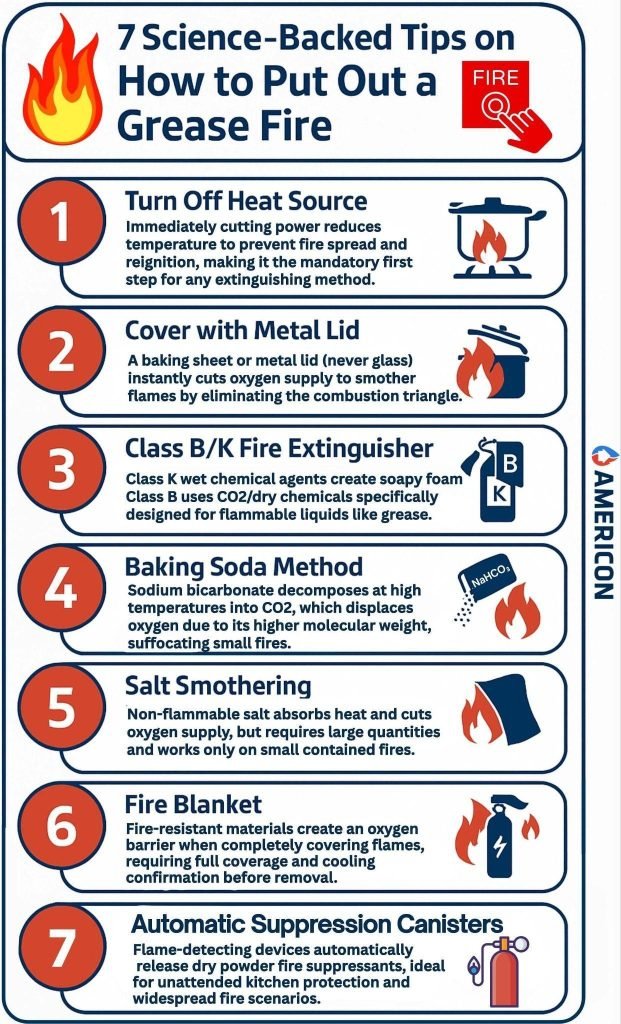
Grease splatter burns are a common yet painful kitchen mishap that can catch you off guard while you’re cooking up a storm. Whether you’re frying bacon for breakfast or sautéing vegetables for dinner, those sizzling droplets of oil can quickly turn your culinary adventure into a painful experience.
The good news? You can prevent these pesky burns with a few simple strategies. Imagine cooking with confidence, knowing that your skin is safe from unexpected splashes. This article will guide you through practical tips and tricks to keep your cooking time both enjoyable and safe.
Ready to say goodbye to those painful burns? Let’s dive in and explore how you can protect yourself and your loved ones from grease splatter burns.
Credit: charbroilers.com
Causes Of Grease Splatter
Grease splatters happen when hot oil hits water or food with moisture. This causes small drops of oil to jump out of the pan. Cooking with high heat increases the chance of splatters. Stirring or flipping food too fast can also cause splashes.
- Frying foods like bacon or chicken can make grease pop.
- Adding wet ingredients to hot oil causes sudden splashes.
- Using pans without lids lets oil spray freely.
| Type of Oil | Behavior When Heated | Risk of Splatter |
|---|---|---|
| Olive Oil | Heats quickly, medium smoke point | Moderate |
| Vegetable Oil | High smoke point, stable | Low |
| Butter | Burns fast, contains water | High |
| Peanut Oil | High smoke point, good for frying | Low |
Protective Gear Essentials
Choosing the right apronhelps protect clothes and skin from hot grease. Look for aprons made of thick, heat-resistant material. Waterproof aprons are best to stop oil from soaking through. Aprons with long coverageprotect more of your body.
Using gloves and sleevesadds extra safety. Heat-resistant gloves protect hands from splatters. Sleeves cover arms and keep burns away. Choose gloves and sleeves made from silicone or thick fabric. They should fit well, not too loose or tight.
Safe Cooking Techniques
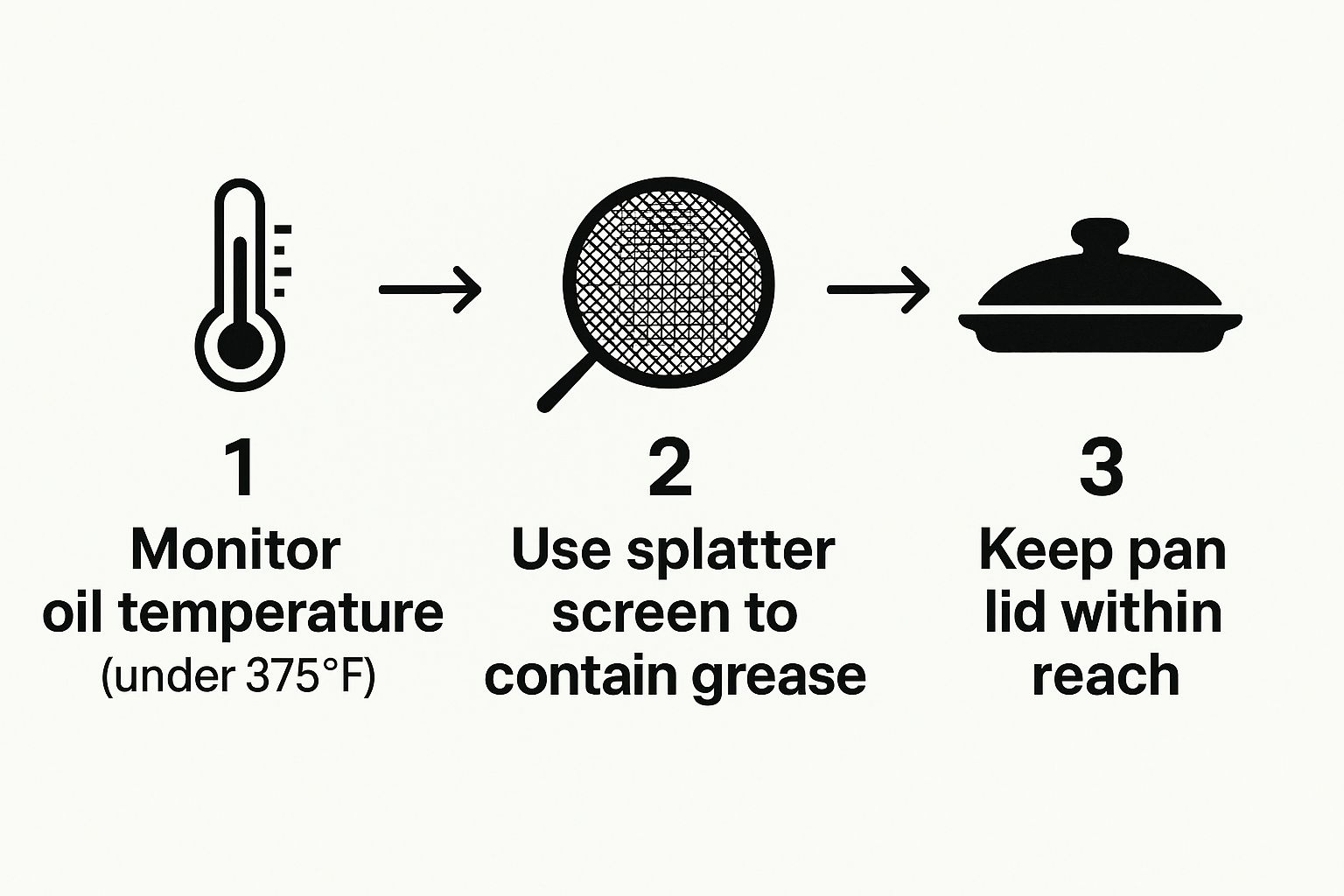
Keep the heat at a medium or low level to reduce grease splatter. High heat causes oil to bubble and jump out of the pan. Use a pan with a lid to catch any splashes. Always place food gently in the pan to avoid splashes. Dropping food causes hot oil to spray. Pat meat and vegetables dry before cooking to remove water.
Water mixed with hot oil causes violent splattering. Never pour water directly into hot oil. Use a splatter screen to shield your hands and arms. Keep the cooking area clean and dry to prevent accidents.
Equipment Choices To Minimize Splatter
Splatter screensare thin mesh covers placed over pans. They stop hot grease from flying out. Using them keeps your kitchen and skin safe from burns. These screens still let steam escape, so food cooks well.
Choosing the right pan or deep fryer helps a lot. Deep panswith high sides reduce splashing. They hold oil better and keep it inside the pan. Fryers with lids or covers add extra protection.
| Equipment | Benefits |
|---|---|
| Splatter Screen | Blocks grease splatter, lets steam out |
| Deep Fryer | High sides, often with lids, less splatter |
| Deep Pan | High edges hold oil, reduce splashing |
Immediate Actions After A Splatter
Cool the burnimmediately with cool running water for 10-20 minutes. This helps reduce pain and swelling. Avoid using ice or very cold water as it can harm the skin further.
Gently clean the area with mild soap and water to prevent infection. Do not break any blisters that form, as this can lead to infection.
Cover the burn with a clean, non-stick bandage or cloth to protect it. Keep the burned area elevated if possible to reduce swelling.
- Take over-the-counter pain relievers like ibuprofen or acetaminophen for pain.
- Apply aloe vera gel or a soothing lotion to keep the skin moist.
- Avoid tight clothing over the burn area.
Seek medical help if the burn is larger than 3 inches, or if it is on the face, hands, feet, or genitals. Also get help if there is severe pain, signs of infection, or if the burn looks deep.

Credit: www.amazon.ca
Kitchen Setup Tips
Clear spacearound the stove for easy movement. Keep counters free of clutter to avoid accidents. Use a small tray or container to hold utensils and ingredients close by.
Good lightinghelps spot grease splashes early. Bright lights above the stove make cooking safer. Use a window or fan to improve ventilationand reduce smoke and smells.
| Tip | Reason |
|---|---|
| Keep knives and tools in a safe place | Prevents cuts and keeps workspace tidy |
| Use a fan or open window | Removes hot air and grease smell |
| Bright overhead light | Helps see hot oil and spills quickly |

Credit: www.amazon.ca
Frequently Asked Questions
How Can I Prevent Grease Splatter Burns While Cooking?
Use a splatter screen or lid to cover hot pans. Avoid overcrowding the pan and keep oil temperature moderate. Wear long sleeves and use oven mitts for extra protection.
What Kitchen Tools Reduce Grease Splatter Effectively?
Splatter screens, deep pans, and lids minimize grease spread. Using these tools helps contain hot oil, preventing burns and keeping your cooking area cleaner.
Why Does Grease Splatter Cause Burns?
Hot oil droplets can quickly reach skin, causing painful burns. The high temperature of grease instantly damages skin cells upon contact.
Can Adjusting Stove Heat Help Avoid Grease Splatter?
Yes, cooking on medium heat reduces oil temperature and splatter. High heat causes oil to bubble and pop, increasing burn risk.
Conclusion
Grease splatter burns cause pain and damage. Taking small steps can keep you safe. Use lids or splatter screens while cooking. Keep a safe distance from hot oil. Wear long sleeves and use oven mitts. Clean up spills quickly to avoid slips.
Stay alert and cook with care. These simple actions protect your skin. Enjoy cooking without worry or harm. Safety first, every time you cook.