
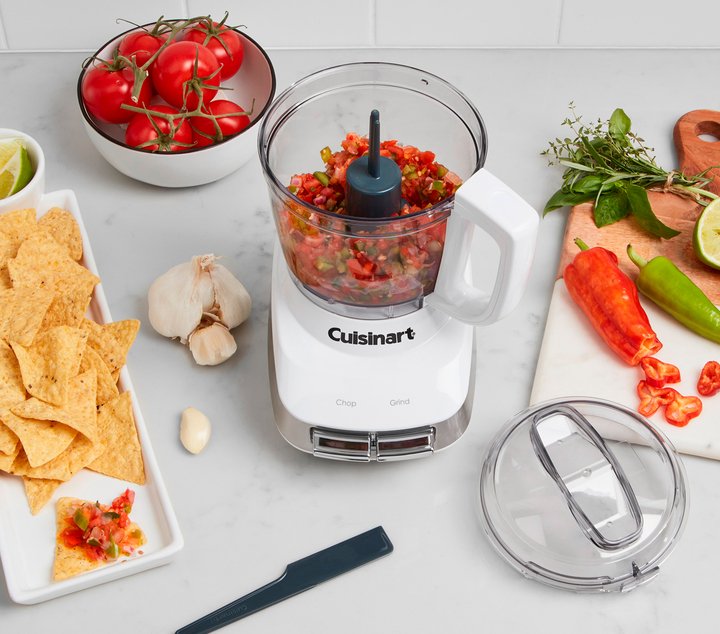
Are you ready to unlock the full potential of your full-size specialty food processor? Assembling it might seem tricky at first, but with the right steps, you’ll have it ready to tackle any recipe in no time.
Imagine how much easier your cooking will be once everything fits perfectly and works smoothly. In this guide, you’ll discover simple, clear instructions that make assembly quick and hassle-free. Keep reading, and soon you’ll be using your food processor like a pro, saving time and effort in the kitchen.
Parts Of The Food Processor
The main components of a full-size specialty food processor include the motor base, which powers the device, and the bowl, where food is processed. The lidfits securely on the bowl and often has a feed tube to add ingredients safely. Inside the bowl, blades or discs perform tasks like chopping, slicing, or shredding.
Attachments and accessories vary by model. Common ones are:
- S-shaped bladefor chopping and mixing
- Slicing discsto cut vegetables thinly
- Shredding discsfor cheese or vegetables
- Dough bladefor kneading dough
- Spatulato scrape down bowl sides
Each attachment fits into the bowl or onto the motor base. Proper assembly ensures safety and good performance.

Credit: www.chicagotribune.com
Preparing For Assembly
Gather all parts and tools before starting the assembly. Clear a clean, flat surface to work on. Read the instruction manual carefully to understand each step.
Unboxing And Checking Parts
Open the box carefully to avoid damage. Remove all parts and place them on a clean surface. Check each part against the manual list. Ensure nothing is missing or broken. Look for the base, bowl, lid, blades, and other accessories. If anything is absent, contact the manufacturer. Keep the box for easy storage later. Be gentle with all components.Cleaning Components
Wash all parts before use. Use warm water and mild soap. Rinse thoroughly to remove soap. Pay attention to sharp blades. Handle them carefully to avoid cuts. Dry each part with a clean towel. Make sure no water remains. This keeps your food processor in good condition. Proper cleaning ensures safe food preparation. `Attaching The Base And Bowl
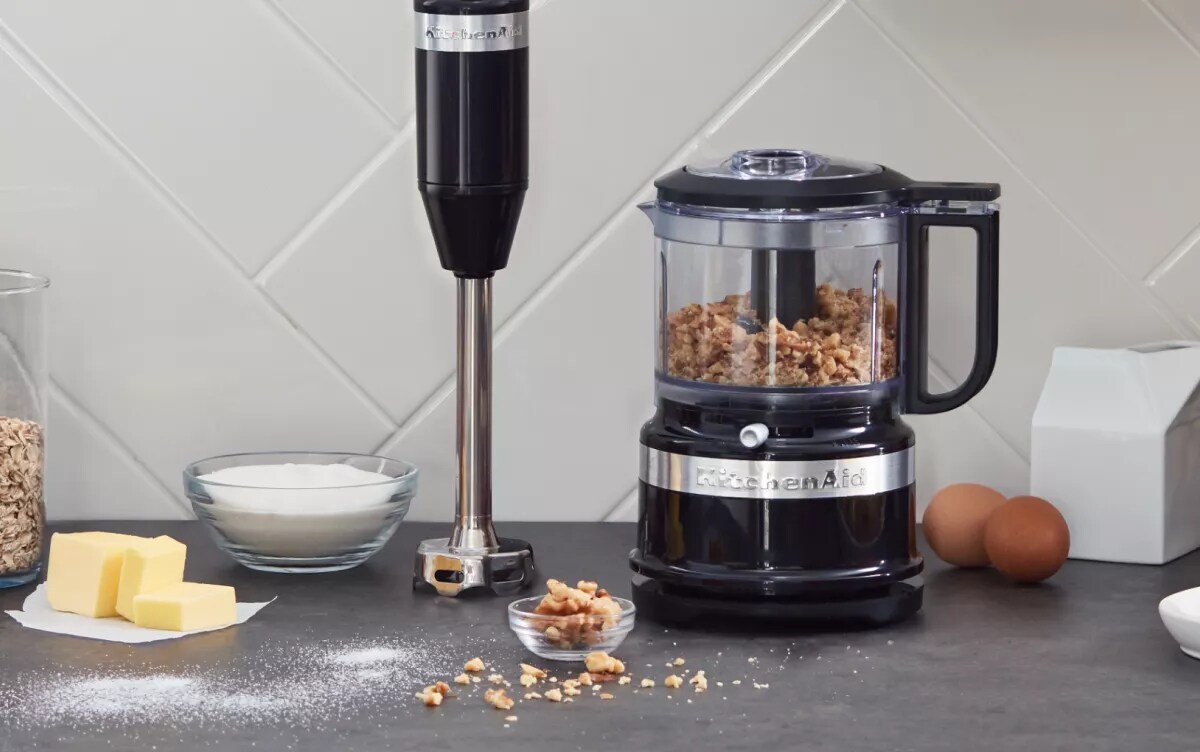
Place the bowl on the base carefully. Align the bowl’s bottom with the base’s center. The bowl must sit flat and stable.
Use the locking mechanism to secure the bowl. Turn the bowl clockwise until it clicks. This click means the bowl is locked.
Check that the bowl does not move. A loose bowl can cause problems during use. Make sure the lock is tight.
- Align bowl with base center
- Press bowl down firmly
- Turn bowl clockwise to lock
- Listen for the click sound
- Ensure no wobble or movement
Credit: www.kitchenaid.com
Installing The Blades And Discs
Choosing the right bladeis key for good results. Different blades do different jobs. Some are for slicing, others for shredding or chopping. Using the correct blade makes food processing easier and safer.
Safe blade handling is very important. Always hold blades by the edges, not the sharp parts. Keep blades out of reach of children. Clean blades carefully with a brush or cloth to avoid cuts.
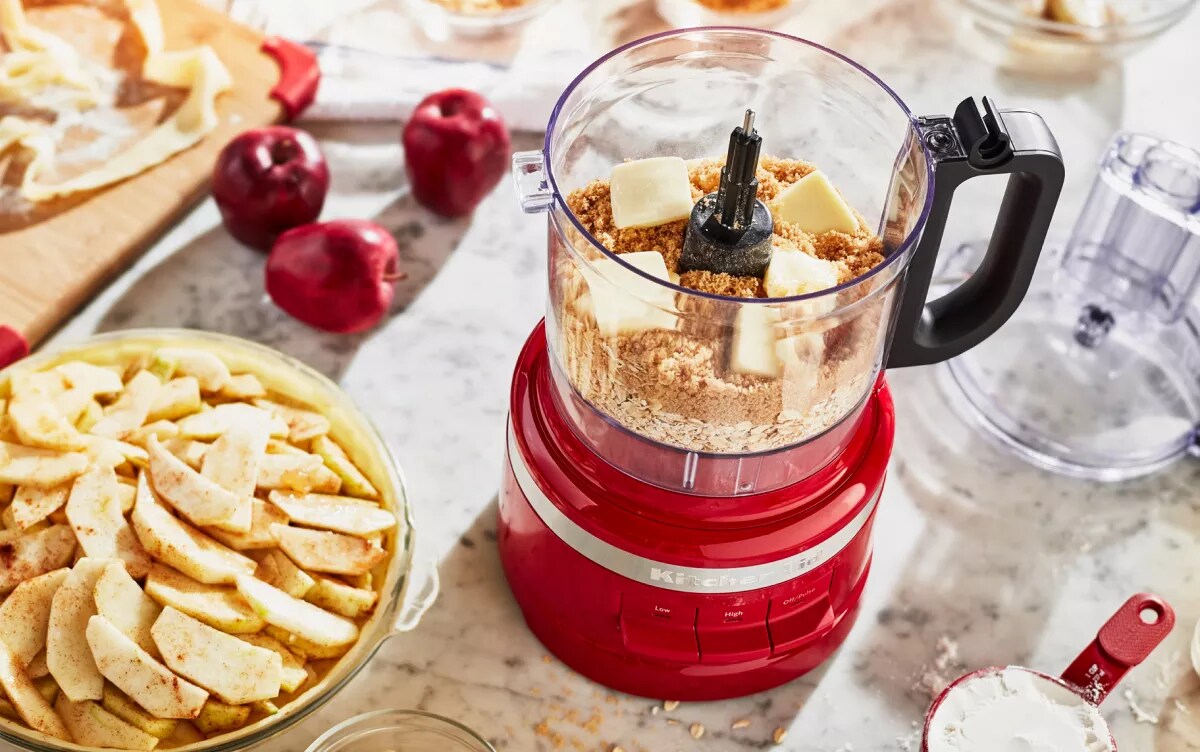
Placing blades correctly ensures the machine works well. Fit the blade onto the center shaft firmly. Make sure it clicks or locks in place. A loose blade can cause damage or injury.
Adding The Lid And Feed Tube
Place the lid on the food processor bowl carefully. Align the lid’s tabs with the slots on the bowl. The lid should sit flat and secure without forcing it. This ensures the processor will work safely and correctly.
Insert the feed tube into the lid opening. Push down gently until it clicks or fits snugly. Make sure it does not wobble or come loose during use. A well-secured feed tube helps guide food into the blades safely and evenly.
Connecting Power And Controls
Connect the power cord firmly to a wall outlet. Make sure the outlet matches the voltage on the food processor label. Avoid using extension cords to prevent power loss or hazards.
Turn the main switch to the off position before plugging in. This prevents sudden starts and ensures safety. Check that the cord is not twisted or damaged.
- Use the control panel to select the desired speed.
- Press the pulse button for short bursts of power.
- Choose continuous mode for longer processing tasks.
- Adjust settings based on the food type and recipe.
Always start at the lowest speed to avoid splashing. Observe the processor while it runs to ensure smooth operation. Switch off and unplug after use.
Testing The Assembly
Check that all parts are tightly fixed. Loose parts can cause problems. Make sure the blade is secure and the lid locks properly. Look for any cracks or damage.
Test the power cord and plug for any wear. Keep the processor on a flat surface for stability. Before use, wipe the bowl and attachments clean.
- Plug in the processor and switch it on briefly.
- Listen for any strange sounds or vibrations.
- Run the processor with a small amount of water to test.
- Stop immediately if you notice any smoke or burning smells.
- Ensure the safety locks stop the machine if the lid opens.
These checks help ensure safe and smooth operation of your food processor.
Credit: www.kitchenaid.com
Maintenance Tips
Clean the food processor right after use to keep it working well. Remove all parts carefully. Wash blades and bowls with warm, soapy water. Use a soft cloth or brush to avoid scratches. Dry all parts completely before storing. Never put the motor base in water. Wipe it with a damp cloth only.
Store parts in a dry, safe place to avoid damage. Keep blades in a blade cover or container to stay sharp. Store bowls and lids stacked neatly to save space. Avoid placing heavy items on top of components. This helps keep everything in good shape for longer use.
Frequently Asked Questions
How Do I Start Assembling A Full-size Food Processor?
Begin by unpacking all parts and checking the manual. Attach the base to a stable surface, then connect the bowl securely before fitting the blade and lid.
What Safety Tips Should I Follow During Assembly?
Ensure the food processor is unplugged before assembly. Handle blades carefully to avoid cuts. Double-check all parts lock firmly before use.
How Do I Properly Attach The Blades And Discs?
Align the blade or disc with the central spindle. Press down gently until it clicks into place. Never force parts to avoid damage.
Can I Assemble The Processor Without The Manual?
While possible, using the manual ensures correct assembly. It helps avoid mistakes and ensures safe operation. Always refer to the manufacturer’s instructions first.
Conclusion
Assembling your full-size specialty food processor is simple with clear steps. Take your time and follow the instructions carefully. Check all parts fit snugly and work well together. This helps ensure safe and smooth operation every time. Practice a few times to feel confident handling the machine.
Soon, food prep will become faster and easier. Enjoy making meals with your new kitchen helper. Keep the manual handy for future reference. You are ready to create delicious dishes with ease.