
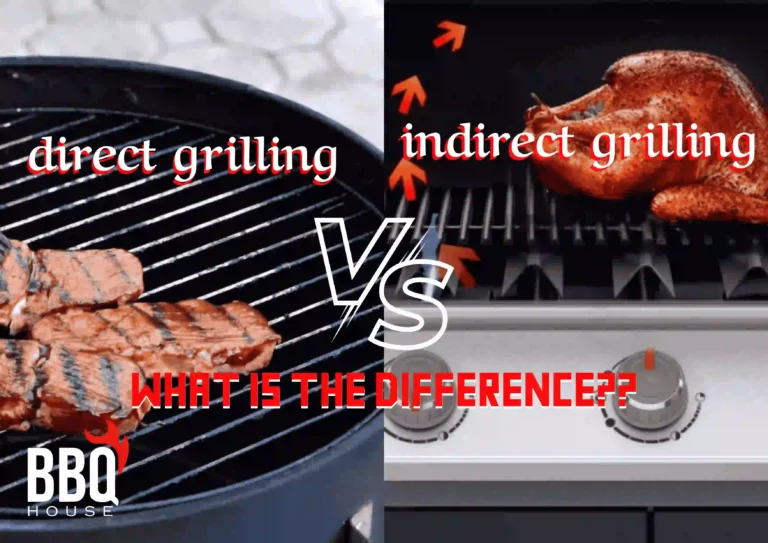
Are you ready to unlock the secrets of perfect grilling? If you’ve ever wondered why some barbecues turn out juicy and flavorful while others miss the mark, the answer often lies in the technique.
Specifically, how you arrange your charcoal can make all the difference. Mastering the art of indirect heat cooking not only elevates your grilling game but ensures that every meal you prepare is a hit. Imagine serving tender ribs or perfectly roasted chicken without the fear of burning or undercooking.
Intrigued? Stick around, because you’re about to discover how to set up your charcoal for indirect heat, transforming your barbecue skills and impressing your friends and family at every cookout.
Credit: www.pressreader.com
Choosing The Right Charcoal
Lump charcoalis made from pure wood chunks. It lights quickly and burns hot. It gives a natural smoky flavor. It produces less ash, so it is easier to clean.
Briquettesare made from compressed charcoal dust and other materials. They burn evenly and last longer. They are usually cheaper and easy to find.
| Type | Burn Time | Heat Output | Ash Production | Flavor |
|---|---|---|---|---|
| Lump Charcoal | Shorter | Higher | Less | Smoky, Natural |
| Briquettes | Longer | Moderate | More | Mild |
Size and qualityof charcoal affect cooking. Larger pieces last longer and give steady heat. Avoid charcoal with dust or small pieces. Good quality charcoal helps keep a steady temperature for indirect heat cooking.
Credit: medium.com
Setting Up Your Grill
Make sure the grill grateis clean before cooking. Use a wire brush to remove any leftover food or ash. A clean grate helps food cook evenly and prevents sticking. Wipe the grate with a damp cloth after brushing to remove loose debris. Check for rust spots or damage and replace if needed. Proper maintenance keeps your grill safe and ready for use.
Cleaning your grill regularly improves its performance. Remove ashes after each use to avoid airflow blockages. Oil the grill grate lightly before cooking to stop food from sticking. Cover the grill when not in use to protect it from rain and dirt. Regular care extends your grill’s life and ensures better cooking results.
Methods For Indirect Heat
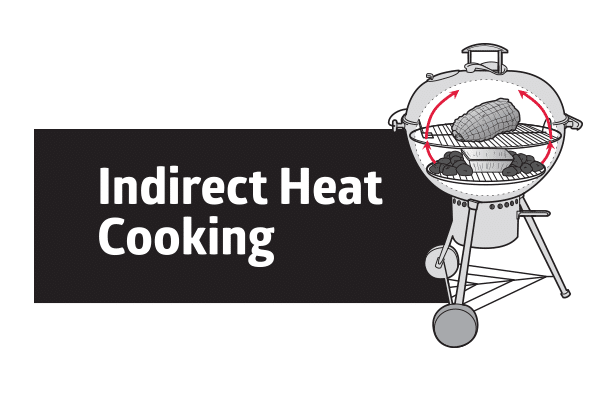
Two-zone fire setupdivides the grill into two areas. Place charcoal on one side for direct heat. The other side stays empty for indirect heat. This lets you cook food slowly without burning it. Great for large cuts of meat or veggies.
The snake methodarranges charcoal in a long, curved line along the grill edge. Light one end of the “snake.” Charcoal burns slowly, giving steady heat for hours. Ideal for low and slow cooking.
The minion methoduses unlit charcoal placed around lit charcoal. The lit coals slowly ignite the unlit ones. This keeps the fire steady and controlled. Perfect for long cook times without refueling.
Arranging The Charcoal
Creating two heat zones is key to indirect grilling. Pile hot charcoal on one side of the grill. Leave the other side empty. This setup lets food cook slowly without burning.
Stack charcoal in a pile or mound. This keeps heat focused on one side. The empty side stays cooler for indirect cooking.
- Use more charcoal for longer cooking times.
- Arrange coals tightly to create strong heat.
- Leave space on the grill grate for food on the cool side.
- Use a drip pan under the food to catch fat and juices.
Lighting Charcoal Safely
Using a chimney starteris a safe way to light charcoal. It lets air flow well around the coals. Place some newspaper or natural fire starter at the bottom. Fill the top with charcoal. Light the paper through the holes below. The fire will rise and start the coals evenly. Wait until the coals turn gray with ash. This means they are ready to use.
Avoid using lighter fluid. It can give a bad taste to food. It also creates harmful smoke. Lighter fluid can be dangerous if not handled carefully. Using a chimney starter means no chemicals are needed. This keeps your grill clean and safe for cooking.
Managing Temperature
Vents and damperscontrol the amount of air entering and leaving the grill. Opening them more lets in extra oxygen, making the charcoal burn hotter. Closing them slows the burn and lowers the temperature.
Adjusting airflow helps keep the heat steady. Start with vents half open. Watch the temperature gauge. If the heat rises too fast, close the vents a little. If it drops, open them more.
Small changes in airflow can make a big difference. Use dampers to fine-tune the temperature. This way, food cooks evenly without burning.
Cooking Tips For Indirect Heat
Foods like chicken, ribs, and larger cuts of meat work well with indirect grilling. These take longer to cook and need gentle heat to stay juicy. Vegetables such as peppers, onions, and corn also cook nicely over indirect heat.
Keep the grill lid closed to keep the heat steady. Use a meat thermometerto check doneness. Cooking times vary by food size and thickness, so watch closely.

Credit: www.siuhaau.com
Cleaning Up After Cooking
After cooking, let the charcoal cool completely before handling. Dispose of ashes safely to avoid fire risks. Use a metal container to collect ashes and keep it away from flammable materials. Never throw hot ashes in plastic or paper bags.
Regular ash removal helps keep air flowing in the grill. This improves heat control and cooking results. Clean out the grill grates and inside walls with a brush or cloth to remove grease and food bits.
Maintaining your grill increases its life and performance. Cover the grill to protect it from rain and dust. Check for rust and clean it regularly. Store the grill in a dry place when not in use.
Frequently Asked Questions
What Is Indirect Heat In Charcoal Grilling?
Indirect heat means placing charcoal on one side of the grill. Food cooks on the opposite side. This method avoids direct flame contact, allowing slow and even cooking. It’s ideal for larger or tougher cuts needing longer cooking times.
How Do You Arrange Charcoal For Indirect Heat?
Arrange lit charcoal on one side of the grill. Leave the other side empty or use unlit coals. Place a drip pan under the food to catch juices. This setup creates a cooler zone for indirect cooking.
Why Use Indirect Heat With Charcoal?
Indirect heat prevents burning and allows even cooking. It’s perfect for roasting, smoking, or slow-cooking meats. This method enhances flavor by cooking food gently over time without flare-ups.
Can I Mix Direct And Indirect Heat On The Grill?
Yes, you can combine both methods. Start by searing food over direct heat. Then move it to the indirect side to finish cooking. This technique locks in juices and ensures thorough cooking.
Conclusion
Arranging charcoal for indirect heat takes some practice and patience. Start by placing coals on one side of the grill. Leave the other side empty for indirect cooking. This setup helps cook food evenly without burning it. Keep the grill lid closed to keep heat steady.
Check the charcoal often to add more if needed. With these steps, you can enjoy juicy, well-cooked meals every time. Give it a try and see how easy grilling can be!