
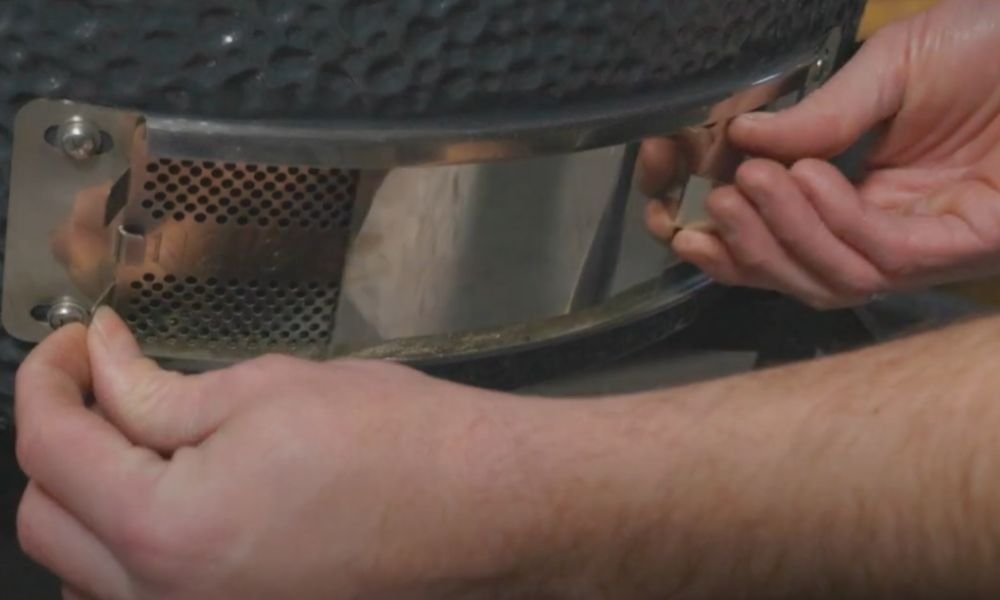
If you want to get the perfect cook on your Kamado grill, learning how to adjust the vents is a game-changer. The vents control the airflow, which means they control the temperature inside your grill.
Mastering this simple trick lets you cook juicy steaks, tender ribs, or smoky vegetables just the way you like them. In this guide, you’ll discover easy steps to take full control of your Kamado grill’s vents, so you can enjoy mouthwatering meals every time.
Keep reading to unlock the secret to grilling like a pro!
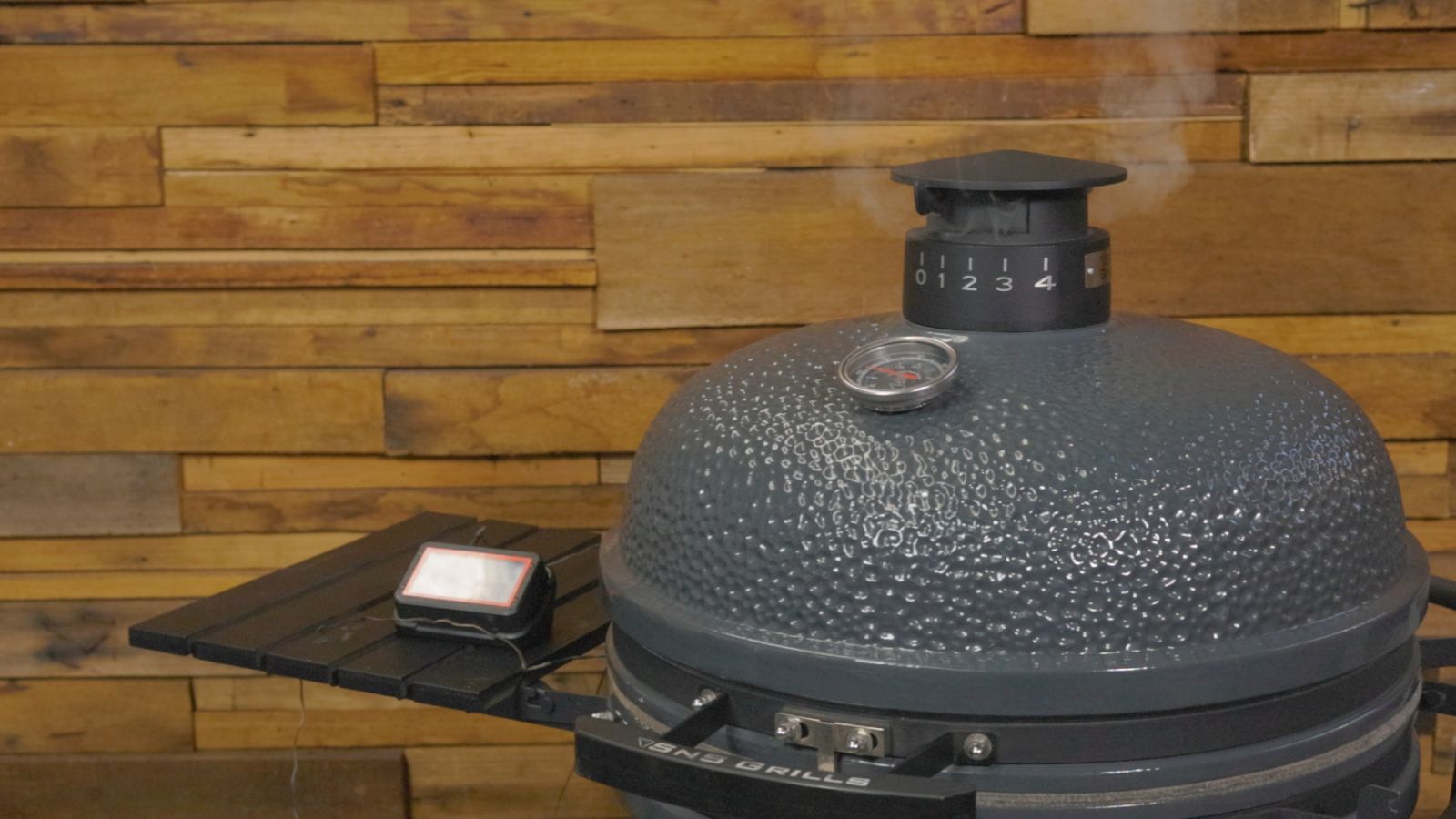
Credit: www.bbqspitrotisseries.com.au
Kamado Grill Basics
Kamado grills are ceramic cookers that keep heat very well. They use charcoal and vents to control temperature.
Knowing how to adjust vents helps you cook food perfectly on a kamado grill.
What Is A Kamado Grill
A kamado grill is a round, thick-walled cooker made from ceramic. It looks like a large egg.
It cooks food using charcoal and holds heat for a long time. This helps with slow cooking and high heat grilling.
Importance Of Vent Control
Vents control how much air gets inside the grill. Air affects how hot the fire burns.
Opening vents lets in more air, making the fire hotter. Closing vents lowers the air and cools the fire.
Types Of Vents On Kamado Grills
Kamado grills have two main vents: the bottom vent and the top vent. Both help control airflow and temperature.
- Bottom vent:Controls air entering the grill. Adjusting it changes fire size.
- Top vent:Controls air leaving the grill. Adjusting it controls smoke and heat.

Credit: vessils.com
Heat Control Principles
Controlling heat is key when using a Kamado grill. The grill uses vents to manage airflow and temperature.
Adjusting vents lets you cook food slowly or quickly by changing the heat inside the grill.
How Airflow Affects Temperature
Airflow controls how hot your Kamado grill gets. More air makes the fire burn hotter.
Less air means the fire cools down. The vents let you change the airflow easily.
- Open vents increase oxygen for hotter fire
- Closed vents reduce oxygen and lower heat
- Steady airflow keeps temperature stable
Role Of Top And Bottom Vents
The Kamado grill has two vents: one at the bottom and one at the top. Both control airflow.
The bottom vent lets air enter the grill. The top vent lets smoke and air leave the grill.
- Open bottom vent to add oxygen and increase heat
- Adjust top vent to control smoke and airflow speed
- Close vents to slow the fire and lower temperature
Using Vents For Different Cooking Styles
Changing vent settings helps with different cooking methods like grilling or smoking.
Use vents to set the right temperature for your food type and cooking time.
- High heat: open both vents wide for fast cooking
- Medium heat: open vents halfway for steady cooking
- Low heat: mostly close vents for slow smoking
- Adjust vents slowly to keep temperature steady
Adjusting Bottom Vent
The bottom vent on your Kamado grill controls airflow inside. Adjusting it changes the fire’s heat and cooking speed.
Knowing how to set the bottom vent helps you cook food perfectly. You can start the fire, raise heat, or slow cook.
Starting The Fire
Open the bottom vent wide to let in plenty of air. This helps the charcoal catch fire quickly.
More oxygen feeds the flames, making them burn hotter and faster. Keep the vent open until the fire is steady.
Increasing Airflow For High Heat
To get high heat, open the bottom vent more than halfway. This lets more air flow to the charcoal.
More air increases the fire’s temperature. Use this setting for grilling or searing foods quickly.
- Open bottom vent at least 50%
- Watch the temperature gauge closely
- Adjust vent to keep heat steady
Reducing Airflow For Low And Slow Cooking
Close the bottom vent to about 10-25% to lower the airflow. Less air means the fire burns slower and cooler.
This setting is perfect for smoking or slow cooking. It keeps the temperature steady for hours without burning the food.
- Set vent opening small, around 10-25%
- Check temperature regularly
- Adjust slightly to keep heat stable
Managing Top Vent
The top vent on a Kamado grill controls how much air leaves the grill. Adjusting it helps manage heat and smoke.
Knowing how to use the top vent keeps your cooking steady and prevents flare-ups.
Controlling Exhaust Air
Opening the top vent lets smoke and heat escape. Closing it slows airflow and keeps more heat inside.
- Open vent wide for high heat and fast cooking
- Close vent partially for medium heat
- Close vent mostly for low heat and slow cooking
- Adjust vent slowly to avoid sudden temperature changes
Fine-tuning Temperature
Use small vent adjustments to keep your grill at the right temperature. Watch the temperature gauge closely.
| Vent Position | Effect on Temperature |
| Fully Open | High heat, quick air flow |
| Half Open | Medium heat, steady air flow |
| Mostly Closed | Low heat, slow air flow |
| Closed | Very low heat, risk of smoke buildup |
Preventing Overheating
Too much air causes the grill to get too hot. Watch the top vent to keep heat safe.
Follow these tips to avoid overheating:
- Close the top vent slightly if temperature rises fast
- Open the vent more if temperature drops too low
- Never close the vent fully when the fire is burning
- Keep the vent clean to allow smooth airflow
Common Vent Adjustment Tips
Adjusting vents on a Kamado grill controls the air flow and temperature. Proper vent settings help keep your food cooking evenly.
Small vent changes can affect heat a lot. Learning how to adjust vents improves your grilling results.
Avoiding Temperature Fluctuations
Keep vents steady to avoid temperature swings. Sudden vent moves can cause big heat changes.
- Open vents slowly to increase heat.
- Close vents gradually to lower heat.
- Check vents often but avoid quick changes.
- Use both top and bottom vents for better control.
Using A Thermometer For Accuracy
Thermometers help track grill temperature. Use them to adjust vents more precisely.
| Thermometer Type | Use |
| Built-in grill thermometer | Check general grill temp |
| Probe thermometer | Measure meat temperature |
| Digital thermometer | Accurate real-time readings |
Adapting To Weather Conditions
Wind, rain, and cold affect grill heat. Adjust vents to keep steady cooking in different weather.
- Close vents slightly on windy days to keep heat steady.
- Open vents more on cold days to maintain temperature.
- Shield grill from rain or moisture for better control.
Troubleshooting Vent Issues
Adjusting vents on a Kamado grill is key to controlling heat and smoke. Sometimes vents may cause problems that affect cooking.
Knowing how to spot and fix vent issues helps keep your grill working well and food tasting great.
Signs Of Poor Airflow
Poor airflow makes it hard to keep the grill at the right temperature. The vents control this airflow, so problems here slow cooking down.
Look for signs like:
- Fire that burns too low or goes out
- Smoke that does not flow well
- Temperature that stays too low or spikes quickly
- Hard to open or close vents
Fixing Stuck Or Jammed Vents
Vents can get stuck from rust, ash, or dirt buildup. This stops you from adjusting airflow properly.
Try these fixes:
- Gently tap the vent to loosen it
- Use a soft brush to clean around the vent edges
- Apply a small amount of food-safe lubricant on moving parts
- Avoid forcing the vent to prevent damage
Maintaining Vent Cleanliness
Clean vents regularly to keep air flowing well. Ash and grease can block the vents over time.
Follow these tips for clean vents:
- Remove ashes after each use
- Brush vents with a wire or stiff brush
- Check for grease and wipe it away
- Inspect vents before every cook

Credit: www.kamadojoe.com
Frequently Asked Questions
How Do I Adjust Vents On A Kamado Grill?
To adjust vents on a Kamado grill, use the top and bottom vents. Open them to increase airflow and temperature. Close them to reduce heat. Adjust both vents gradually for precise temperature control. Monitoring the grill’s temperature helps achieve desired cooking conditions.
Why Is Vent Adjustment Important?
Vent adjustment is crucial for temperature control and cooking precision. Proper vent management allows for optimal airflow. This ensures even heat distribution. Adjusting vents correctly prevents food from burning or undercooking. It enhances the grilling experience and results in perfectly cooked dishes.
What Happens If Vents Are Fully Open?
If vents are fully open, airflow increases significantly. This raises the grill’s temperature quickly. High temperatures are ideal for searing and fast cooking. However, it can cause food to burn if not monitored. Always adjust vents according to your cooking needs.
Can Vent Settings Affect Cooking Time?
Yes, vent settings impact cooking time. Open vents increase temperature, reducing cooking time. Closed vents lower temperature, extending cooking duration. Adjusting vents allows for precise control over how fast or slow you cook. This ensures perfectly cooked meals.
Conclusion
Adjusting vents on a Kamado grill controls heat and smoke. Small changes affect cooking temperature and flavor. Watch the vents closely during cooking for best results. Practice helps you understand how vents work. Enjoy experimenting with different vent settings to suit your meals.
Proper vent control leads to better grilled food every time. Keep it simple and steady for great taste. Your Kamado grill will reward your attention with delicious dishes.