
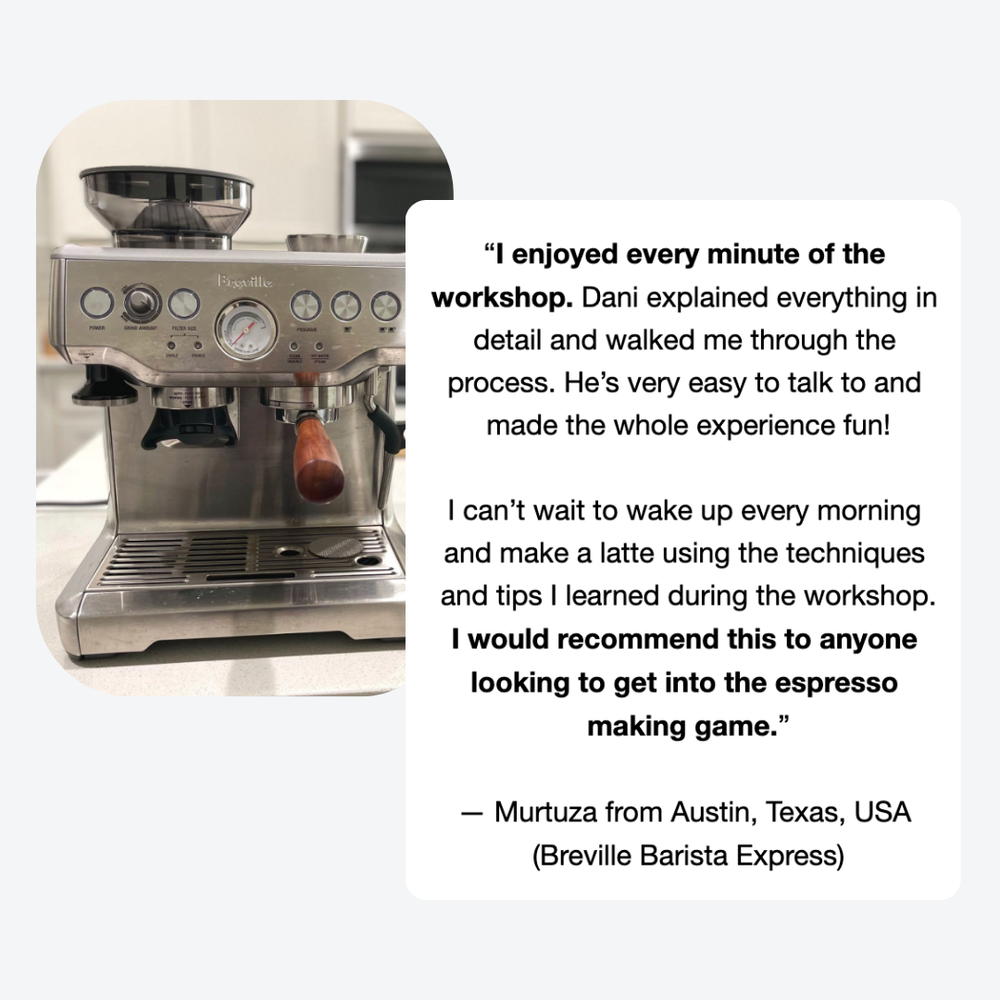
If you love making espresso at home, you know how much the right temperature matters. Too hot or too cold, and your coffee can taste bitter or weak.
But adjusting the temperature on your espresso machine isn’t always easy or obvious. What if you could master this simple step and unlock the full flavor of your coffee? In this guide, you’ll learn exactly how to adjust your espresso machine’s temperature, so every cup tastes just the way you want.
Keep reading, and discover the secret to brewing espresso that truly wakes up your senses.

Credit: www.brewingwithdani.com
Why Temperature Matters
Temperature controlis key for great espresso flavor. The right heat helps extract the perfect taste from coffee beans. Too hot, and the coffee tastes bitter. Too cold, and it can be souror weak.
Keeping temperature steady makes every cup taste the same. This means no surprises in flavor. It helps keep the qualityconsistent.
- Proper heat avoids burnt, harsh notes.
- Stable temperature stops sour, under-extracted coffee.
- Even warmth helps bring out rich, smooth flavors.
Types Of Espresso Machines
Manual espresso machinesgive full control over brewing. You heat water separately and pull the shot yourself. This lets you adjust the temperature by changing the water heat. It takes skill and practice to get the right taste.
Semi-automatic machinesuse an electric pump to push water through the coffee. You can control the temperature with built-in settings. Some models let you adjust temperature precisely, making it easier to get a good shot.
Automatic and super-automatic machinesdo most work for you. They heat water to a preset temperature automatically. Some have temperature control options, but many keep it fixed. These machines are best for quick and easy espresso.
Finding The Right Temperature Range
The ideal brewing temperaturefor espresso usually ranges from 90°C to 96°C (194°F to 205°F). This range helps extract the best flavors from coffee grounds. Temperatures below this can cause under-extraction, making coffee taste sour or weak.
Different beans respond better to slightly varied temperatures. Lighter roasts often need a higher temperature, closer to 96°C. Darker roasts do well around 90-93°C, as higher heat may cause bitterness.
| Coffee Bean Type | Recommended Temperature (°C) | Recommended Temperature (°F) |
|---|---|---|
| Light Roast | 94 – 96 | 201 – 205 |
| Medium Roast | 92 – 94 | 198 – 201 |
| Dark Roast | 90 – 93 | 194 – 199 |
Adjusting the temperature helps bring out the best from each coffee bean type. Experimenting within these ranges can lead to a better tasting espresso. Keep track of changes to find your perfect setting.
Steps To Adjust Temperature
Begin by finding the current temperature settingon your espresso machine. Most machines have a digital displayor temperature dial. Check these controls to see the set temperature before making changes.
Use the machine’s control buttonsor knobsto adjust the temperature. Some models allow you to increase or decreasein small steps. Follow the instructions in your machine’s manual to avoid mistakes.
Calibration ensures the temperature matches what the machine shows. Use a separate thermometerto measure the water temperature from the espresso spout. If the reading is off, adjust the machine’s settings accordingly.
Tools To Measure Temperature
Using a thermometer helps check the water temperature inside the espresso machine. A temperature probe or infrared thermometer gives quick, accurate readings. Adjusting the machine settings ensures the perfect brewing temperature for great espresso.
A thermometer helps check your espresso machine’s temperature. Place it in the water stream from the machine. Read the temperature on the display. Make sure the reading is accurate. Adjust your machine if needed. Digital thermometers are easy to use. They show numbers on a screen. Analog ones have a needle. Both types work well. Choose the one you like best. Temperature profiling devices track changes in temperature. They are more advanced. These devices attach to your espresso machine. They show a graph of temperature over time. This helps in fine-tuning your brewing process. Some devices connect to your phone or computer. They make it easier to monitor and adjust settings. These tools help make better coffee. `
Credit: www.youtube.com
Troubleshooting Temperature Issues
Espresso machines may face temperature problems. Some common issues include water being too hot or too cold. This affects the tasteof espresso. Check the machine’s temperature settingsfirst. Make sure the machine is properly heatedbefore brewing. If the coffee is too bitter, the water might be too hot. If the coffee tastes weak, the water may be too cool.
Other fixes involve cleaning the machine’s temperature sensorsand heating elements. Sometimes, scale buildup can cause wrong temperature readings. Regular descaling helps keep the machine working well.
- Check if the machine heats up after turning on.
- Reset the temperature settings to factory defaults.
- Clean or replace faulty sensors or parts.
Call a professional if the machine does not heat properly. Faulty wiring or broken parts need expert repair. Trying to fix complex problems alone can cause damage. A professional can safely fix internal issuesand ensure the machine works well again.
Maintaining Optimal Temperature
Regular cleaning and descaling keep the espresso machine working well. Old coffee oils and mineral buildup affect the temperature control. Clean the group head, portafilter, and steam wand after every use. Descale the machine at least once a month using a descaling solution. This removes mineral deposits that can block water flow and change temperature.
Routine machine maintenance helps maintain optimal temperature. Check the machine’s water reservoir for fresh water every day. Replace any worn-out gaskets or seals to stop leaks. Keep the machine in a dry place to avoid damage.

Credit: www.youtube.com
Advanced Tips For Temperature Control
Adjusting the temperature on an espresso machine helps control the flavor and strength of your coffee. Use the machine’s settings or buttons to raise or lower the heat for the best taste. Small changes can make a big difference in your espresso shot.
Temperature Surfing Technique
Temperature surfing helps in finding the perfect heat. Start with the machine. Let it warm up fully. Turn on the brew. Wait for water to flow. Stop the brew when hot water flows. Wait for a short pause. Begin brewing again. This helps in achieving steady heat. Perfect for a tasty espresso. It’s simple and effective. Easy to learn for everyone.
Using Pid Controllers
PID controllers keep the temperature stable. They are smart devices. Attach them to the machine. Set the desired temperature. The controller adjusts the heat. It makes sure it’s consistent. This way, the espresso is always perfect. No more guessing the heat. It improves the brew quality. A helpful tool for all coffee lovers.
Frequently Asked Questions
How Do I Change The Temperature On My Espresso Machine?
To change the temperature, locate the temperature control dial or digital settings. Adjust it according to the machine’s manual for precise control.
Why Is Temperature Adjustment Important For Espresso?
Temperature affects coffee extraction and flavor. Proper adjustment ensures balanced taste, optimal aroma, and prevents bitterness or sourness.
What Is The Ideal Temperature For Brewing Espresso?
The ideal brewing temperature is between 90°C and 96°C (194°F to 205°F). This range extracts the best flavors from coffee grounds.
Can I Adjust Temperature On All Espresso Machines?
Not all machines allow temperature adjustments. Check your espresso machine’s specifications or user manual to confirm this feature.
Conclusion
Adjusting your espresso machine’s temperature helps make better coffee. Small changes can improve taste and aroma a lot. Always check your machine’s guide for exact steps. Practice adjusting and tasting to find what you like best. Enjoy the process of making espresso just right.
Good coffee starts with the right temperature settings. Keep experimenting and enjoy each cup you brew.