
Are you frustrated with your coffee grinder not delivering the perfect grind? Whether you want a finer grind for espresso or a coarser one for French press, knowing how to adjust your grinder is key.
Getting this right can completely change the flavor of your coffee. You’ll discover simple steps to easily adjust your grinder, so you can enjoy coffee just the way you like it every single time. Keep reading, and take control of your coffee experience today.
Choosing The Right Grinder
Blade grinderschop coffee beans with spinning blades. They are usually less expensiveand easy to use. But they make uneven grounds. Burr grinderscrush beans between two burrs. This gives a consistent grind size, which helps flavor. Burr grinders come in flat or conical shapes.
Manual grinders need hand effort to grind beans. They are quietand portable. Electric grinders work fast and need less effort. They are good for making coffee quickly.
| Blade Grinder | Burr Grinder | |
|---|---|---|
| Cost | Low | Higher |
| Grind Consistency | Uneven | Even |
| Speed | Fast | Moderate |
| Noise | Louder | Quieter |
| Manual Option | Yes | Yes |
| Electric Option | Yes | Yes |

Credit: www.youtube.com
Grind Size And Coffee Type
Coarse grindssuit a French Press. They allow water to flow through slowly. This makes the coffee rich and smooth. The large particles stop over-extraction.
Medium grindswork best for drip coffee makers. They let water pass at a balanced speed. This gives a clear and bright taste. The grind size fits most drip filters well.
Fine grindsfit espresso machines. They create more resistance for hot water. This makes a strong and bold espresso shot. The small particles help extract more flavor quickly.
Steps To Adjust Your Grinder
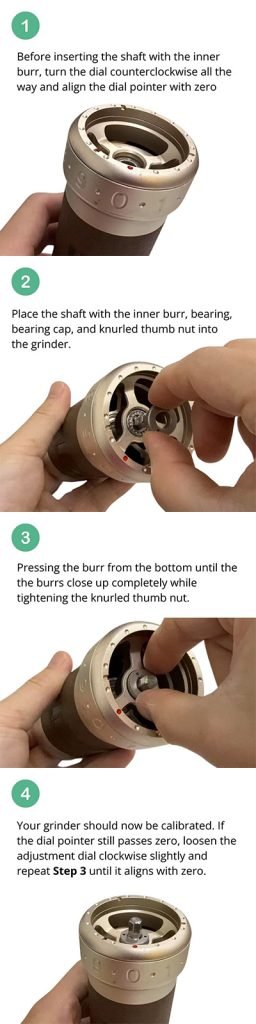
Find the adjustment knob or dialon your grinder. It is usually located near the top or side. This mechanism controls how fine or coarse the grind will be. Some grinders have a numbered ring or clicks to guide your changes.
Turn the adjustment knob slowlyand in small steps. Each small move changes the grind size a little bit. Avoid big turns to keep the grind consistent.
Test the grind by grinding a small amount of coffee. Look at the grind size and feel its texture. If it is not right, adjust the knob again. Repeat this process until you find the perfect grind.

Credit: 1zpresso.coffee
Common Grinding Issues
Uneven grind particlescan spoil the taste of your coffee. It happens when the grinder settings are wrong or the burrs are dull. Check the burrs for wear and adjust the grind size to get uniform particles. Small, consistent pieces brew better.
Grinder jammingoccurs if too many beans enter at once or if oily beans stick inside. Clear the hopper and clean the burrs regularly. Avoid grinding beans that are very oily or flavored, as they can cause clogging.
Overheating problemshappen when the grinder runs too long without breaks. It can damage the motor and affect grind quality. Use short bursts and let the grinder cool down between uses. Proper maintenance extends the grinder’s life.
Maintaining Your Grinder
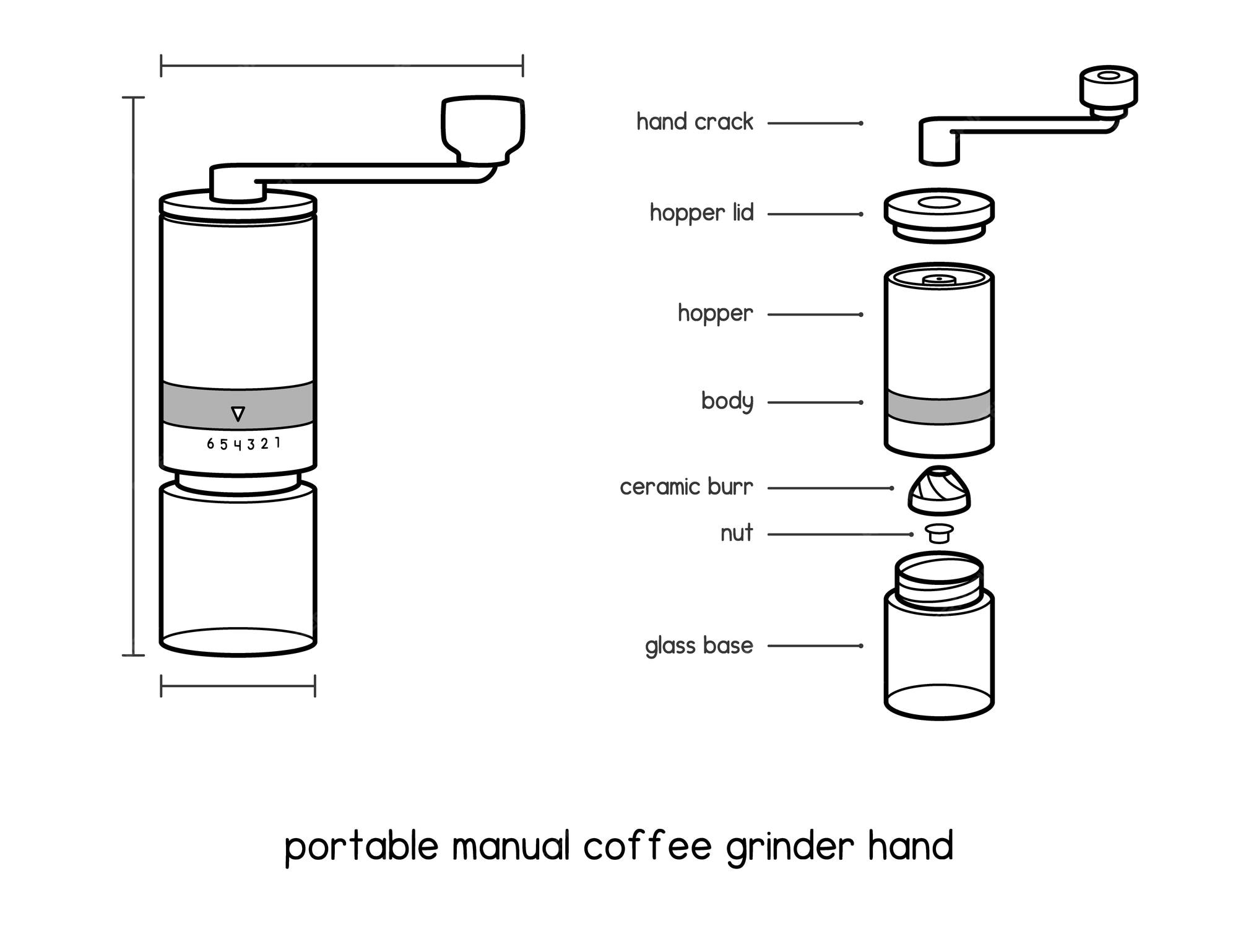
Keeping your grinder clean helps it work well for a long time. Remove leftover coffee grounds after each use. Use a small brush to clean hard-to-reach areas. Wipe the outside with a damp cloth. Avoid water inside the grinder to stop damage.
Changing burrs and blades often keeps grinding smooth and even. Worn parts make the grind uneven and may hurt flavor. Follow the maker’s guide for replacing these parts safely. Use only parts made for your grinder model.
Store your grinder in a dry place away from heat and sunlight. Keep it covered or in a box to stop dust from settling. Good storage protects the grinder and keeps it ready to use.
Credit: coffeeroastco.com
Advanced Tips For Perfect Grind
Roast levelschange the grind size needed. Dark roasts need a coarser grind to avoid bitterness. Light roasts need a finer grind to bring out flavors. Adjust your grinder slowly to find the right setting.
Bean freshnessaffects grind size too. Fresh beans create more gas and need a coarser grind. Older beans lose flavor and may need a finer grind to extract taste properly. Check the roast date before grinding.
| Tool | Purpose |
|---|---|
| Scale | Measure exact coffee dose for consistency |
| Timer | Control brewing time for better extraction |
Use scales and timers to get the same results every time. Weigh your beans before grinding. Time your brew to avoid over or under extraction. These small steps improve your coffee quality.
Frequently Asked Questions
How Do I Adjust Grinder Settings For Coarser Grounds?
To adjust for coarser grounds, turn the grinder dial or knob towards a higher number. This increases the grind size, suitable for French press or cold brew methods. Always adjust in small increments and test to find the perfect texture for your brewing style.
What Is The Best Grind Size For Espresso?
Espresso requires a fine grind size, similar to table salt. Adjust your grinder to a lower setting for a finer grind. This allows for optimal extraction and rich flavor. Test and tweak as needed to achieve the right balance for your espresso machine.
How Often Should I Clean My Grinder?
Clean your grinder every 2-4 weeks to maintain performance. Regular cleaning prevents buildup of coffee oils and grounds, which can affect flavor. Use a brush or grinder cleaning pellets. This ensures consistent grind size and prolongs the grinder’s lifespan.
Can Grind Size Affect Coffee Taste?
Yes, grind size directly impacts coffee taste. Finer grounds extract faster and yield stronger flavors, while coarser grounds extract slower and taste milder. Adjusting grind size helps balance bitterness, acidity, and strength, improving your overall coffee experience.
Conclusion
Adjusting your grinder helps improve coffee taste and consistency. Small changes make a big difference in grind size. Always test a few settings to find the best one. Keep your grinder clean for smooth operation. Practice makes it easier to adjust quickly.
Enjoy brewing with your perfectly adjusted grinder every time.