
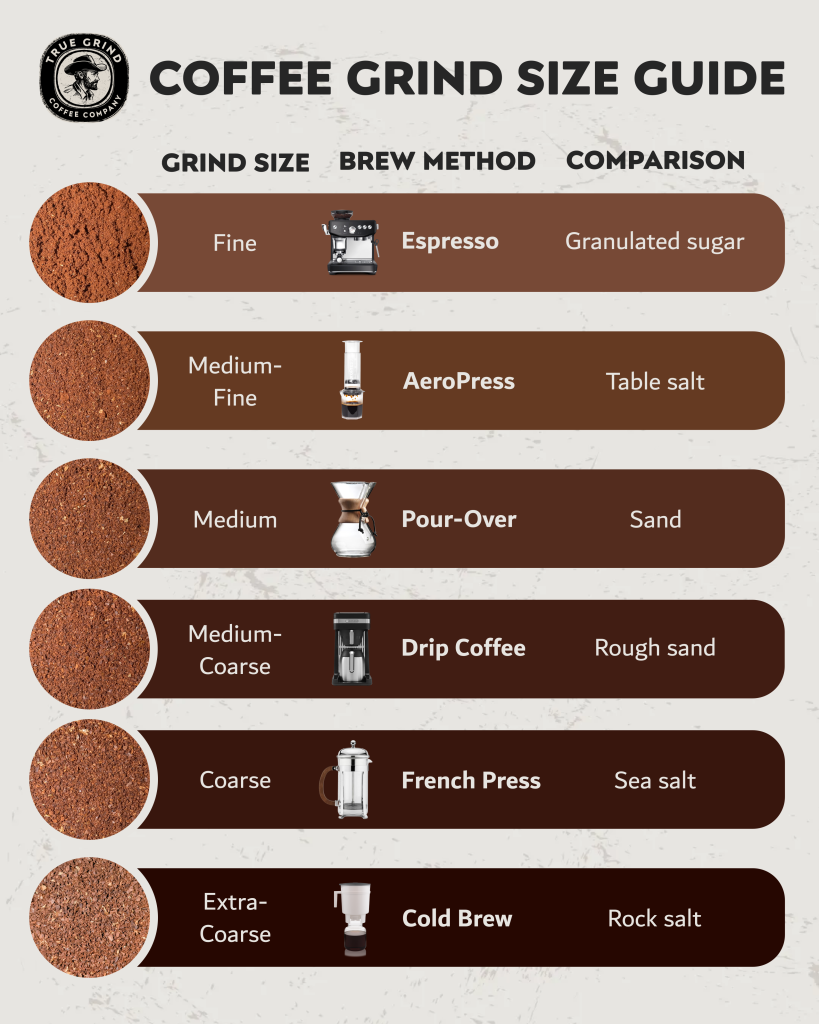
If you want to make the perfect cold brew at home, getting your grind settings right is the key. The grind size affects how your coffee tastes—too fine, and it could become bitter; too coarse, and it might taste weak.
But don’t worry, adjusting your grind is simpler than you think. You’ll learn exactly how to tweak your grind settings to get that smooth, rich cold brew you crave. Keep reading, and soon you’ll be brewing coffee that tastes like it came from your favorite café.
Cold Brew Basics
Grind sizegreatly affects the taste and strength of cold brew coffee. A coarse grindallows water to flow through slowly, making a smooth and less bitter drink. It also helps avoid over-extraction, which can make coffee taste harsh.
Fine grindsextract flavors quickly but can make cold brew cloudy and bitter. Fine grounds may also clog filters, slowing down brewing time.
| Grind Size | Effect on Cold Brew | Best Use |
|---|---|---|
| Coarse | Smoother, less bitter, clearer coffee | Most cold brew methods |
| Fine | Stronger, bitter, cloudy, slower filtration | Not recommended for cold brew |
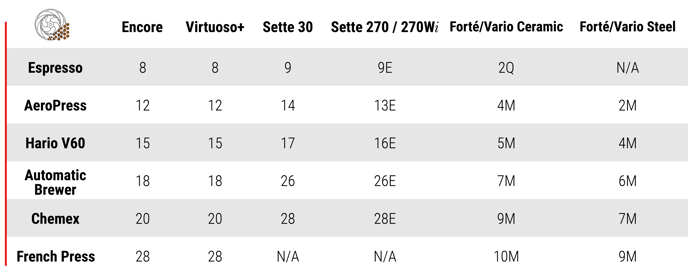
Credit: support.clivecoffee.com
Choosing The Right Grinder
Burr grindersare best for cold brew. They crush beans evenly, making a consistent coarse grind. This helps water flow slowly and extract rich flavors.
Blade grinderschop beans unevenly. This can cause over-extractionand a bitter taste. They are less ideal but can work if set carefully.
| Feature | Why It Matters |
|---|---|
| Adjustable Grind Size | Allows precise control for the perfect coarse grind. |
| Consistent Grinding | Prevents fines that cause bitterness in cold brew. |
| Easy to Clean | Keeps flavors fresh and grinder working well. |
Choosing a grinder with these features makes cold brew taste better. Aim for coarse, even groundsto get smooth and rich coffee.
Adjusting Grind Settings
Start with a coarse grindfor cold brew. It helps water flow slowly and extracts flavors gently. The grind should look like sea salt.
Make small changes to the grind size. Adjusting bit by bit gives better control over taste. Too fine makes brew bitter, too coarse makes it weak.
- Adjust grind size in small steps.
- Test the brew after each change.
- Note the taste differences carefully.
- Stop when you find the best flavor balance.
Testing Your Grind
Cold brew needs a grind that is coarse enough to avoid bitter taste. Brew timeusually ranges from 12 to 24 hours. If the brew takes too long to extract, try a finer grind. If it tastes bitter or strong, make the grind coarser.
Tasting helps find the perfect balancebetween flavor and strength. A smooth, mild flavor means the grind is just right. If it tastes sour, it may be under-extracted. Bitter taste means over-extraction.
- Coarse grind = less bitterness, longer brew
- Fine grind = faster extraction, risk of bitterness
- Adjust grind size based on taste and brew time
Common Grind Issues
Over-extractionhappens when coffee tastes too bitter or harsh. The grind might be too fine, causing water to pull out too many flavors. This leads to a strong, unpleasant taste. The brew time might also be too long.
Under-extractionresults in weak, sour, or watery coffee. The grind could be too coarse, so water passes too quickly. This stops important flavors from developing. The brew time might be too short as well.
- Fine grind + long brew = bitter, harsh coffee
- Coarse grind + short brew = weak, sour coffee
- Adjust grind size to balance flavor
- Check brew time for better extraction
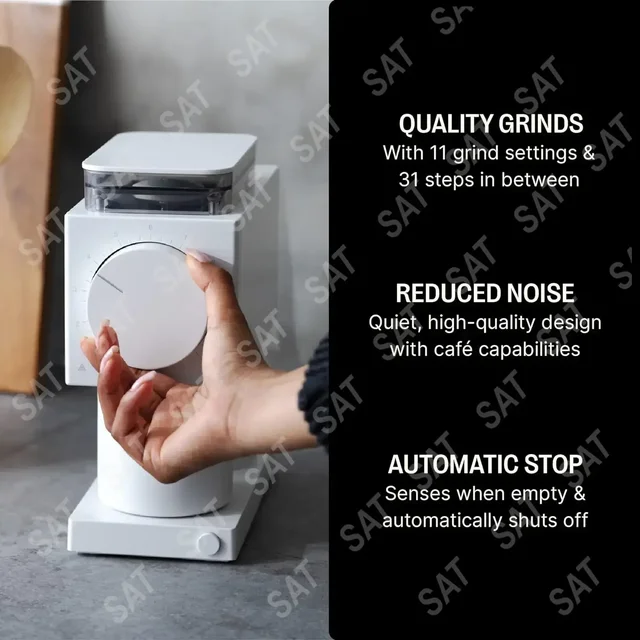
Credit: www.aliexpress.com
Tips For Consistency
Adjusting grind settings for cold brew demands attention to detail. Aim for a coarse grind to prevent bitterness. Consistent grinding ensures smooth flavor extraction, enhancing your cold brew experience.
Cleaning Your Grinder
Grinders need regular cleaning to work best. Dust and old coffee bits can stick. This changes the taste and grind size. Use a small brush to clean parts. Take out the burrs if you can. Wipe them gently. Don’t use water; it can rust the parts. Keeping your grinder clean helps with consistent grinds.
Recording Settings
Write down your grind settings each time. This helps you know what works best. Use a notebook or a phone app. Note the numbers or marks on the grinder. This way, you can repeat the best results. Always check if the grind looks right. Adjust if needed. Record again for future use.

Credit: www.reddit.com
Frequently Asked Questions
What Grind Size Is Best For Cold Brew Coffee?
A coarse grind is ideal for cold brew. It allows slow extraction and prevents over-extraction, resulting in a smooth taste.
How To Adjust Grind Settings For Stronger Cold Brew?
Use a slightly finer grind to increase extraction. Be careful not to go too fine; it can cause bitterness.
Why Does Grind Size Affect Cold Brew Flavor?
Grind size controls extraction rate. Larger particles extract slowly, producing mild flavor; smaller ones extract quickly, intensifying taste.
Can I Use Espresso Grind For Cold Brew?
No, espresso grind is too fine. It leads to over-extraction and a bitter, harsh cold brew.
Conclusion
Adjusting grind settings changes your cold brew’s taste and strength. Coarser grounds make a smoother, less bitter drink. Finer grounds give a stronger, bolder flavor but can cause cloudiness. Experiment with grind size to find what you like best. Small changes can create big differences.
Take your time and enjoy the process. Your perfect cold brew is just a few tweaks away. Keep it simple and have fun brewing.