
Are you struggling to get the perfect cup of coffee with your pour-over? The secret often lies in one simple factor: the grind size.
Adjusting your grind can completely change the taste, strength, and smoothness of your brew. If your coffee tastes too bitter, weak, or sour, learning how to tweak your grind could be the game-changer you need. You’ll discover easy, clear steps to find the ideal grind for your pour-over, so every sip you take is exactly how you want it.
Keep reading to unlock the full potential of your coffee maker and enjoy a richer, more balanced cup every time.
Grind Size Basics
Grind size affects how water flows through coffee grounds. Coarse grindsallow water to pass quickly, making the brew lighter and less bitter. Fine grindsslow water down, leading to a stronger and often more bitter taste.
Extraction depends on grind size. Too coarse means under-extraction, causing sour flavors. Too fine causes over-extraction, making coffee taste bitter.
Consistencyin grind size is key. Uneven grinds cause uneven extraction. Small and large particles brew differently, leading to mixed flavors. Using a good grinder helps keep grind size uniform, improving taste every time.

Credit: www.youtube.com
Tools For Grinding
Blade grinders are common and easy to use. They chop coffee beans unevenly. This can cause inconsistent brewing. Burr grinders crush beans between two burrs. This gives a uniform grind size, better for pour-over.
| Blade Grinder | Burr Grinder | |
|---|---|---|
| Grind Consistency | Uneven | Even |
| Price | Lower | Higher |
| Best For | Basic use | Pour-over, espresso |
- Manual grinders are quiet and portable.
- Electric grinders are fast and easy.
- Manual requires more effort but gives control.
- Electric is good for quick grinding.
Signs Of Incorrect Grind
Coffee brews too fast or too slow often signal an incorrect grind size. Bitter or sour taste also hints at grind issues. Adjusting grind helps balance flavor and brew time for better pour-over coffee.
Under-extraction Symptoms
Under-extractionhappens when coffee grounds are too coarse. Water flows too fast, not soaking flavors properly. The coffee tastes sour, weak, or watery. It feels lightand lacks sweetness. The aroma may seem faintor sharp. You might see palecolor in the coffee.
Over-extraction Symptoms
Over-extractionoccurs with too fine grounds. Water stays too long, pulling bitter flavors. The coffee tastes bitter, harsh, or burnt. It feels heavyor chalky. The aroma may be strongbut unpleasant. The color looks darkor muddy.
Taste Indicators
- Sour or fruity:Grind too coarse, under-extracted.
- Bitter or burnt:Grind too fine, over-extracted.
- Balanced and smooth:Correct grind size.
- Weak or watery:Coffee not brewed long enough or grind too coarse.
- Harsh or astringent:Brew time too long or grind too fine.

Credit: www.drinktrade.com
Adjusting Grind For Brew Time
Shorter brew timesneed a finer grind. This helps water flow slower. It extracts more flavor fast. Too coarse makes the coffee weak and watery.
Longer brew timeswork well with a coarser grind. This lets water pass through slower. It stops over-extraction and bitterness. Fine grinds here can cause a bitter taste.
To balance flow rate, adjust grind size carefully. If water flows too fast, grind finer. If too slow, grind coarser. Small changes make big differences in taste.
Grind Adjustment Techniques
Adjusting grind size controls water flow and extraction time for pour-over coffee. Finer grinds slow water, creating stronger flavor. Coarser grinds speed flow, producing lighter taste. Experiment with small changes to find the perfect balance.
Incremental Changes
Make small grind size changes to avoid big taste shifts. Fine or coarse adjustments help find the best flavor. Change grind size by tiny steps and watch the brewing time. This helps control extraction and balance taste.
Testing And Tasting
Try brewing coffee after each grind change. Taste the coffee carefully. Notice if it’s too bitter, sour, or weak. Adjust grind size based on these flavors. Repeat until the coffee tastes just right.
Keeping Notes
- Write down grind size settings.
- Record brew time and water temperature.
- Note the taste results and changes made.
- Use notes to improve the next brew.
Factors Affecting Grind Choice
Grind size affects how fast water flows through coffee grounds. Finer grinds slow water, creating stronger flavors. Coarser grinds speed up brewing and make lighter taste. Adjust grind based on brew time, filter type, and coffee freshness.
Bean Type And Roast
Different beans need different grinds. Light roasts often need a finer grind. Dark roasts may need a coarser grind. The type of bean changes the flavor. Some beans are harder than others. Hard beans grind differently. Use the right grind for your bean.
Water Temperature
Hot water extracts flavors fast. Cooler water takes longer. If the water is very hot, use a coarser grind. Cooler water needs a finer grind. This helps balance the brew. It keeps the taste just right.
Filter Type
Different filters need different grinds. Metal filters work with coarse grinds. They let oils through for rich taste. Paper filters need finer grinds. They trap oils, making a clean cup. Choose the grind based on your filter.
Troubleshooting Common Issues
Changing the grind sizecan fix bitter or sour flavors. Use a coarser grindif coffee tastes bitter. A finer grindhelps if it’s sour. Adjust slowly and taste each brew. This helps find the right balance.
Coffee that tastes weak might need a finer grind. A finer grind extracts more flavors. Too coarse a grindcan make coffee taste watery. Adjust grind size little by little. Taste after each change to find what works.
Clogged filters slow down the brew. Using a coarse grindcan help. Finer grinds often clog filters. If filters clog, try cleaning them. Make sure to use clean water too. This helps the flow and makes better coffee.
Tips For Consistent Results
Keep your grinder clean to avoid old coffee oils and crumbs. This helps keep the grind size consistent. Use a brush or cloth to wipe the burrs regularly. Clean parts can improve flavor clarityin your pour-over.
Use a scale to measure your coffee dose precisely. A consistent dose controls the strength and tasteof your brew. Small changes in dose can change the flavor a lot.
- Keep water temperature steady, around 195-205°F (90-96°C).
- Pour slowly and evenly over the grounds.
- Use the same grind size for each brew to get repeatable results.

Credit: thebasicbarista.com
Frequently Asked Questions
How Do Grind Size Affect Pour-over Coffee Taste?
Grind size controls extraction speed and flavor balance. Finer grinds extract faster, yielding stronger taste. Coarser grinds extract slower, creating milder flavors. Adjusting grind size helps achieve the perfect balance between bitterness and acidity for your preferred pour-over coffee taste.
When Should I Adjust Grind Size For Pour-over?
Adjust grind size when coffee tastes too bitter or weak. If brew is bitter, try a coarser grind. If it’s sour or under-extracted, use a finer grind. Changes in coffee beans or equipment also require grind size adjustments.
What Grind Size Is Ideal For Pour-over Coffee?
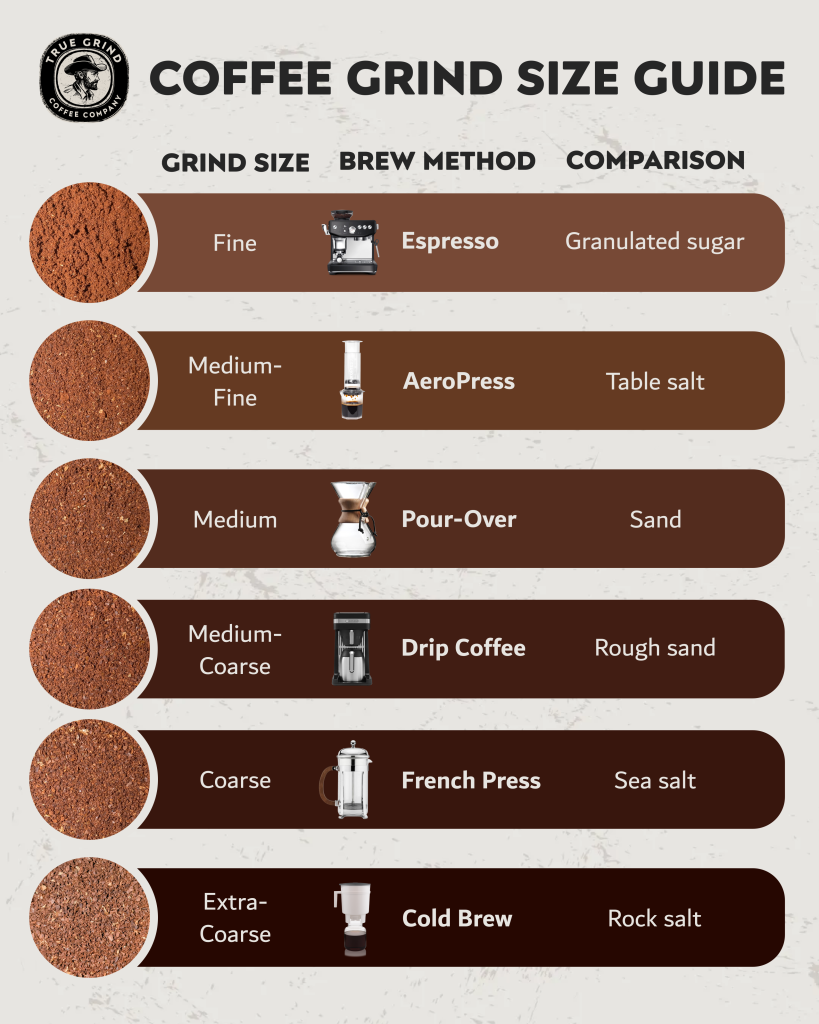
Medium to medium-fine grind size is ideal for pour-over. It resembles granulated sugar texture. This size ensures proper water flow and balanced extraction. Adjust slightly based on your pour-over method and taste preference for best results.
How To Test If Grind Size Is Right For Pour-over?
Brew a cup and observe extraction time and taste. Ideal extraction takes 2. 5 to 4 minutes. If it brews too fast, grind finer. If too slow, grind coarser. Taste should be balanced without sourness or bitterness.
Conclusion
Adjusting your grind size changes the taste of your pour-over coffee. Finer grinds make the coffee stronger but can taste bitter. Coarser grinds give a lighter, smoother flavor but may be weak. Experiment with small changes to find what suits you best.
Remember to grind fresh beans for the best results. Consistency in grind size helps improve your coffee every time. Enjoy the process and the perfect cup will follow.