
Are you tired of brewing coffee that tastes too bitter or too weak? The secret to a perfect cup lies in one simple step: adjusting your grind size.
Getting this right can unlock rich flavors and a smooth balance in every sip. You’ll discover easy ways to tweak your grind for a coffee flavor that feels just right for you. Keep reading—your best cup of coffee is closer than you think.
Choosing The Right Grind Size
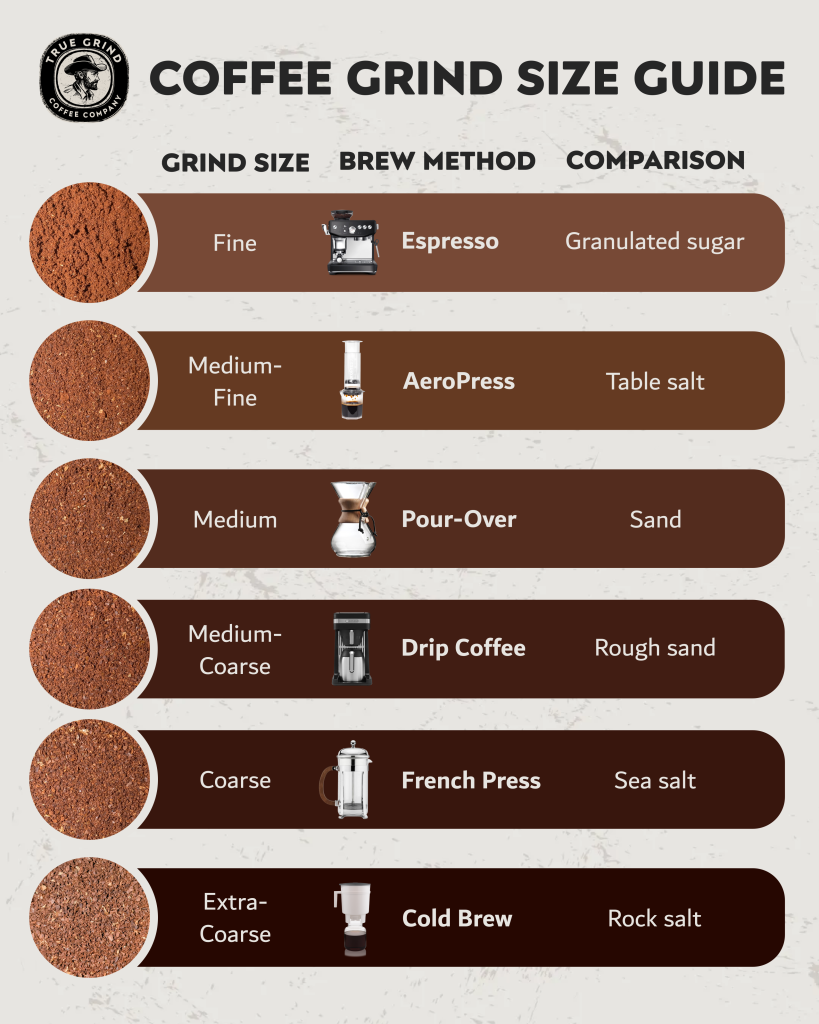
Choosing the Right Grind Size Adjusting grind size affects coffee flavor significantly. Fine grinds suit espresso for rich taste. Coarser grinds work well for French press, enhancing smoothness.
Coarse Vs Fine Grounds
Coarse groundsare larger and look like sea salt. They suit methods like French press and cold brew. Coarse grounds let water flow slowly, making the coffee less bitter.
Fine groundsare powdery, like flour. They work well with espresso and Aeropress. Fine grounds give strong flavor but can taste bitter if brewed too long.
Grind Size And Brew Method
- French press needs coarse grounds for smooth taste.
- Espresso uses fine grounds for rich flavor.
- Drip coffee works best with medium grounds.
- Cold brew uses coarse grounds for less acidity.
Impact On Extraction
Extraction means how much flavor water pulls from coffee. Too fine grind over-extracts, causing bitterness. Too coarse grind under-extracts, causing sour taste.
Adjust grind size to balance taste. It helps get smooth, tasty coffee every time.

Credit: www.youtube.com
Signs Of Imbalanced Coffee
Over-extractionhappens when coffee tastes too bitter or harsh. It feels dry or burnt on the tongue. The brew might be very dark with a heavy body. This means too many coffee compounds have dissolved. The grind might be too fine or brewing too long. Over-extracted coffee loses its bright, fruity notes.
Under-extractionshows as sour or weak flavors. The coffee tastes watery or sharp like lemon. It can feel thin and light in the mouth. The brew may look pale or too light. This means not enough coffee dissolved. The grind might be too coarse or brewing too short. Under-extracted coffee misses sweetness and depth.
Adjusting Grind For Taste
To adjust the grind for a balanced coffee flavor, small changes make a big difference. Finer grinds increase extraction, making the coffee stronger and more bitter. Coarser grinds reduce extraction, leading to a lighter, less bitter taste.
Making finer adjustmentshelps avoid over-extraction. Change the grind size slightly and test the taste. This helps find the perfect balance without ruining the brew.
When to go coarser:
- If the coffee tastes too bitter or harsh.
- If the brewing time is too long.
- If the coffee feels too strong or over-extracted.
Watch the taste and brew time. Adjusting grind size carefully leads to a smoother, balanced cup.
Credit: equipoisecoffee.com
Tools For Consistent Grinding
Burr grindersprovide a more consistent grind size. This helps extract even flavors from coffee. They crush beans between two burrs, which stay sharp longer. Blade grinderschop beans unevenly, causing uneven extraction. This often leads to bitter or weak coffee. Burr grinders allow easy adjustment of grind size.
Calibrating your grinder means setting the grind size just right. Start with a medium grind and test your coffee taste. Adjust to finer for stronger flavor or coarser for milder taste. Small changes can make a big difference. Mark your grinder’s setting for future use. Regular calibration keeps coffee flavor balanced and fresh.
Experimenting And Tasting
Keeping a coffee journal helps track grind changes and flavor results. Write down grind size, brewing time, and taste notes each time. This simple habit shows which adjustments work best for your preferred flavor.
Tasting coffee needs focus. Sip slowly and notice flavors like bitterness, sweetness, or sourness. Try to spot if the coffee tastes watery or too strong.
- Smell the coffee before tasting to notice aroma differences.
- Take small sips and let the coffee coat your tongue.
- Compare each brew to find the best grind setting.
Common Mistakes To Avoid
Changing many things at once confuses results. Alter one thing each time. Focus on grind size first. Notice the flavor changes. Then, adjust another element. This helps pinpoint the cause of any issues. Keep track of each change. Record your findings. This helps understand what works best.
Water quality affects coffee taste. Use clean, fresh water. Tap water can have minerals. These minerals change coffee flavor. Filtered water is a good choice. It makes coffee taste better. Avoid using hot tap water. It can contain more minerals. Always start with cold water. Boil it separately for the best taste.

Credit: www.nichecoffee.co.uk
Frequently Asked Questions
How Do Grind Size Changes Affect Coffee Flavor Balance?
Adjusting grind size controls extraction. Finer grinds increase extraction, making coffee bitter. Coarser grinds reduce extraction, causing sour flavors. Finding the right balance ensures smooth, balanced coffee taste.
What Is The Ideal Grind Size For Balanced Coffee?
Medium grind size suits most brewing methods for balanced flavor. It extracts evenly, avoiding bitterness or sourness. Adjust slightly based on your brew method and taste preference.
How Often Should I Adjust My Grind For Flavor?
Adjust grind size whenever you change coffee beans or brewing method. Also, tweak if your coffee tastes too bitter or weak. Regular adjustments help maintain the best flavor balance.
Can Grind Size Fix Sour Or Bitter Coffee?
Yes, sour coffee often means too coarse a grind. Bitter coffee usually indicates too fine a grind. Adjusting grind size can correct these flavor imbalances effectively.
Conclusion
Adjusting the grind size helps create a balanced coffee flavor. Small changes affect taste more than you think. Coarser grinds make coffee lighter and less bitter. Finer grinds bring out stronger, richer flavors. Experiment slowly to find what suits your taste.
Keep notes on each adjustment for best results. Enjoy the process of discovering your perfect cup. A balanced grind leads to better coffee every time.