
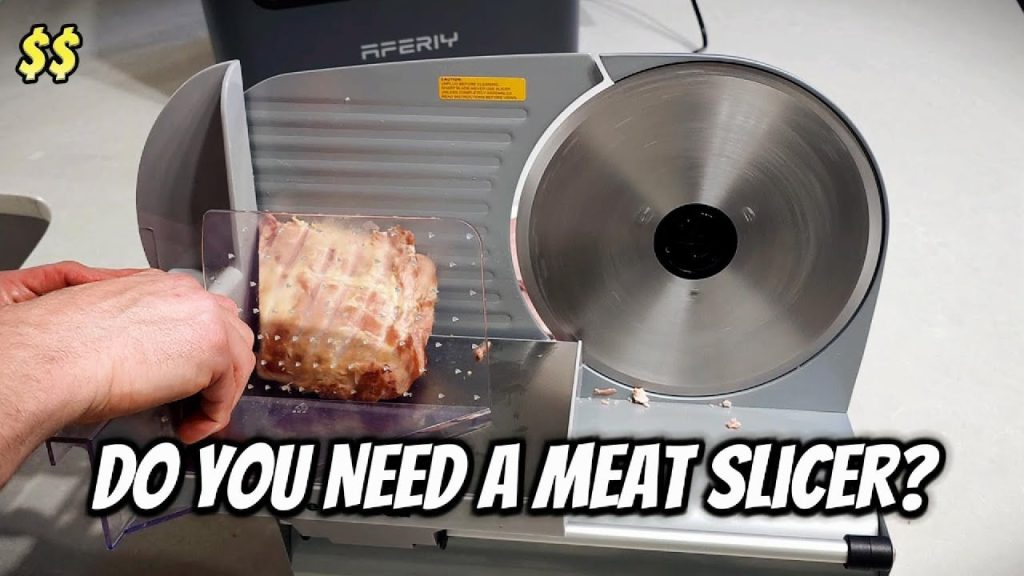
If you want perfectly thin slices every time, adjusting your commercial slicer just right is key. Whether you’re slicing meats, cheeses, or vegetables, the right thickness makes all the difference in taste, presentation, and portion control.
But getting that thin, even cut isn’t always easy—small mistakes can lead to uneven slices or wasted product. In this guide, you’ll learn simple steps to fine-tune your slicer for the thinnest, most consistent slices possible. Keep reading, and you’ll master the technique that keeps your customers coming back for more.
Choosing The Right Blade
Choosing a sharp blade ensures clean, thin slices with less effort. Adjust the slicer carefully to match the blade size for precise cutting. Proper blade selection helps maintain consistent slice thickness and improves safety.
Blade Types For Thin Slicing
The blade type affects the thinness and quality of slices. A serrated bladeworks well for bread and soft foods. A straight bladeis better for meats and firm vegetables. Thinner blades give more precise cuts, but they must be sharp.
Blade Sharpness And Maintenance
A sharp bladeis essential for smooth, thin slices. Dull blades cause tearing and uneven cuts. Regular cleaningand sharpeningkeep blades efficient. Use a blade sharpeneror send blades for professional sharpening often. Check blades before use to avoid accidents.
Credit: eur.vevor.com
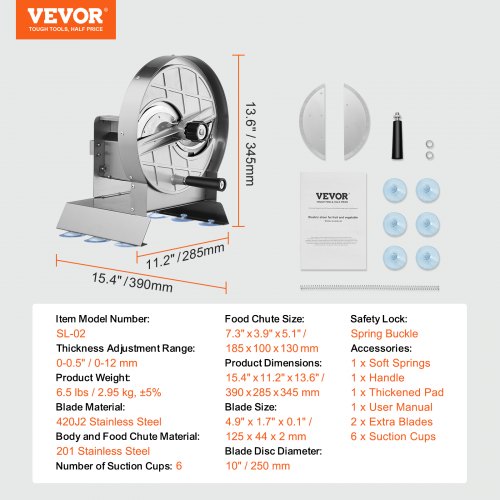
Setting The Thickness Guide
Turn the thickness dial to choose the slice size. Always start with a low setting. Slowly increase the dial to find the right size. Check the slices after every adjustment. This helps in getting perfect, thin slices. Make sure the dial moves smoothly. If it is stuck, clean it gently. Smooth movement ensures precise control.
Use a sample food to test the thickness. Place it in the slicer and make a slice. Compare it with your desired size. If it’s not right, adjust the dial again. Repeat until you get consistent slices. Always use the same pressure when slicing. This keeps all slices the same size. Consistency is key for quality. Keep practicing for best results.
Preparing The Meat Or Product
Chilling meat or other products helps make them firmer. Firmness is key for slicing thin pieces. Cold products slide better and cut more evenly. Avoid slicing warm meat; it can stickor tear. Place the product in the fridge for a few hours before slicing. This step helps keep slices consistentand clean.
Positioning the product on the slicer is very important. Place it flatand secureagainst the slicer’s surface. Use the food pusher to hold it steady. Proper positioning avoids slipping and helps get even slices. Make sure the product is tight and does not wobble.

Credit: www.ebay.com
Operating The Slicer Safely
Keep hands away from the blade. Always use the food pusher to hold the meat or vegetables firmly. This tool protects your fingers from cuts and helps guide the food smoothly. Never try to slice with your hands near the blade.
Hold the food pusher firmlywhile slicing. It keeps the food steady and prevents slipping. This reduces the risk of accidents and ensures even slices.
- Place your hand on the handle of the food pusher.
- Keep fingers curled and away from the blade.
- Do not press too hard; let the slicer do the work.
Always turn off and unplug the slicerbefore cleaning or adjusting. Safety first.
Troubleshooting Common Issues
Uneven sliceshappen if the blade is dull or dirty. Clean the blade carefully. Sharpen the blade if needed. Check if the food carriage moves smoothly. Tighten any loose parts to keep slices even.
Blade jammingcan occur due to stuck food pieces or misalignment. Remove food bits from the blade area. Make sure the blade is aligned correctly. Lubricate moving parts with food-safe oil for smooth operation.
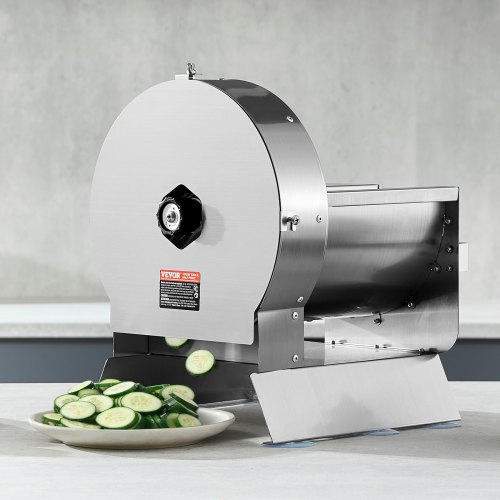
Thickness inconsistenciesarise from incorrect thickness settings or worn parts. Adjust the thickness dial to the right level. Inspect the thickness adjustment knob for damage. Replace worn parts to maintain slice size.
Credit: www.vevor.com
Cleaning And Maintenance Tips
Keep the slicer clean daily to prevent food buildup. Wipe all surfaces with a damp cloth and mild soap. Avoid harsh chemicals that can damage parts. Always unplug the slicer before cleaning to stay safe.
Remove the blade carefully to clean it well. Use a soft brush or cloth to remove tiny food particles. Dry the blade completely to stop rust from forming. Check for any damage or dull edges.
- Clean the slicer after each use.
- Use warm, soapy water and a soft cloth.
- Dry all parts before reassembling.
- Handle the blade with care to avoid cuts.
- Inspect the blade for sharpness and damage.
Frequently Asked Questions
How Do I Set The Thickness For Thin Slices?
Adjust the thickness dial on your commercial slicer to the lowest setting. Always start with small increments and test slice thickness to ensure consistency.
What Safety Tips Should I Follow When Adjusting Slicers?
Always unplug the slicer before making adjustments. Use protective gloves and keep hands clear of the blade during operation.
Can I Use Any Slicer For Thin Slices?
Not all slicers handle thin slices well. Use a commercial slicer designed for precision cutting to achieve uniform thin slices.
How Often Should I Clean The Slicer Blade?
Clean the blade after every use. Regular cleaning prevents residue buildup and maintains slicing accuracy for thin cuts.
Conclusion
Adjusting a commercial slicer for thin slices takes patience and care. Start by setting the blade thickness properly. Always check the food’s position before slicing. Keep the slicer clean to avoid uneven cuts. Regular maintenance helps the machine work well.
Thin slices improve presentation and cooking speed. Practice slicing with different foods to gain confidence. Small steps lead to better results. Use these tips to make thin, even slices every time.