

Are you curious about the safety of ceramic cookware in your kitchen? With countless options on the market, choosing the right cookware can feel overwhelming.
You might wonder if ceramic cookware is a safe choice for you and your family. There’s a lot of information out there, but not all of it is easy to understand or trustworthy. You’ll discover the facts about ceramic cookware and its safety.
Is it truly non-toxic? Does it offer any health benefits compared to other types of cookware? And most importantly, how does it perform in your everyday cooking? We’ll answer these questions and more, so you can make an informed decision with confidence. By the end, you’ll have a clear understanding of ceramic cookware’s safety, helping you enjoy worry-free cooking every day. So, let’s dive in and explore whether ceramic cookware is the right choice for your kitchen!

Credit: fromourplace.com
Ceramic Cookware Basics
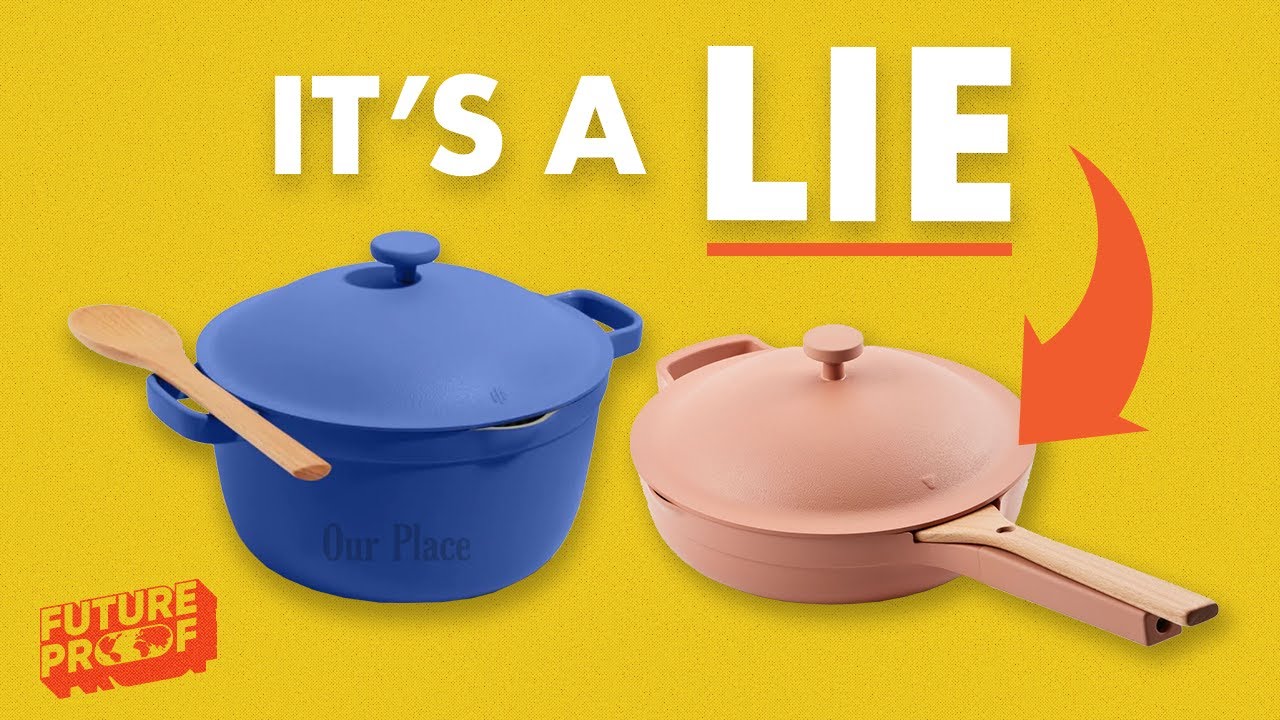
Ceramic cookware comes in different types. Glazed ceramic is the most common. It has a shiny surface. Unglazed ceramic has a matte finish. Both types are safe for cooking. Some ceramic cookware is 100% ceramic. Others have a metal core with a ceramic coating. This coating is non-stick. It helps in cooking without much oil. Dutch ovens and bakeware are also popular ceramic types. Each type has its own use in the kitchen.
Ceramic cookware is made with care. First, makers shape the clay. Then, they dry it. Next, they fire it in a kiln. This makes the clay hard. After that, they add a ceramic glaze. This makes it smooth and shiny. The glaze also makes it non-stick. Some cookware gets a second firing. This ensures strength. Finally, the cookware is ready for use. It is safe and durable.
Credit: www.youtube.com
Health And Safety Concerns
Ceramic cookware is often seen as a safe choice. Many people use it daily. Yet, some ceramic glazes may contain harmful materials. Lead and cadmium are two such toxins. These can be dangerous. High heat may cause these toxins to leach into food. Not all ceramics have these risks. Always check for certification before buying. Certified cookware is safer. Manufacturers often follow strict rules. This makes sure their products are safe. Choose cookware without harmful chemicals. This protects health.
Leaching means chemicals mix with food. This can happen with ceramic cookware. When heated, some materials may leach. Heat can make chemicals move. This is more risky with old or damaged cookware. Scratches can make leaching worse. Always inspect your cookware. If it has cracks, replace it. Use cookware carefully. Follow the maker’s instructions. This keeps food safe. Safe practices help reduce risks. Regular checks can prevent problems. Keep an eye on your cookware. Protect your meals from chemical dangers.
Durability And Performance
Ceramic cookware is known for its safety features, offering non-toxic and lead-free options. Its durability ensures long-lasting performance, making it a popular choice in kitchens worldwide. The cookware withstands high temperatures, providing consistent heat distribution for efficient cooking.
Heat Resistance
Ceramic cookware handles high temperatures well. It can withstand oven heat without warping. This makes it ideal for baking and roasting. Its surface distributes heat evenly. Food cooks uniformly, reducing hot spots. This enhances the taste and texture of dishes. Ceramic cookware is perfect for slow cooking. It keeps food warm for longer periods.
Scratch And Chip Resistance
Ceramic cookware is less prone to scratches. Its surface is hard and smooth. Metal utensils can be used without fear. It is resistant to chips and cracks. This ensures a longer lifespan for the cookware. Proper care is still important. Avoid dropping or hitting it hard. Clean gently to maintain its quality.
Environmental Impact
Ceramic cookwareis often made from natural materials. These materials include clay and sand. It is created without harmful chemicals. This makes it a better choice for the Earth. Some people like it for its long-lasting nature. Ceramic cookware can last for many years. This means less waste in landfills.
Ceramic cookware is not easily biodegradable. It does not break down quickly in nature. But it is less harmful than plastic. When it breaks, it does not release toxins. This makes it safer for the environment. People often reuse or recycle broken ceramic. This helps reduce waste.
Comparisons With Other Cookware
Ceramic cookware offers a safer alternative compared to Teflon, which can release harmful fumes at high temperatures. Unlike cast iron, it requires minimal maintenance and doesn’t rust. Its non-stick surface is free from toxic chemicals, making it a popular choice for health-conscious cooks.
Ceramic Vs. Non-stick
Ceramic cookware is safer. It doesn’t have harmful chemicals. Non-stick pans may release toxins. These toxins are dangerous. Ceramic is also eco-friendly. It doesn’t harm the planet. Non-stick coatings can wear off. They need replacing often. Ceramic lasts longer. It resists scratches and chips. Cooking with ceramic is easy. Food doesn’t stick, and cleaning is simple.
Ceramic Vs. Stainless Steel
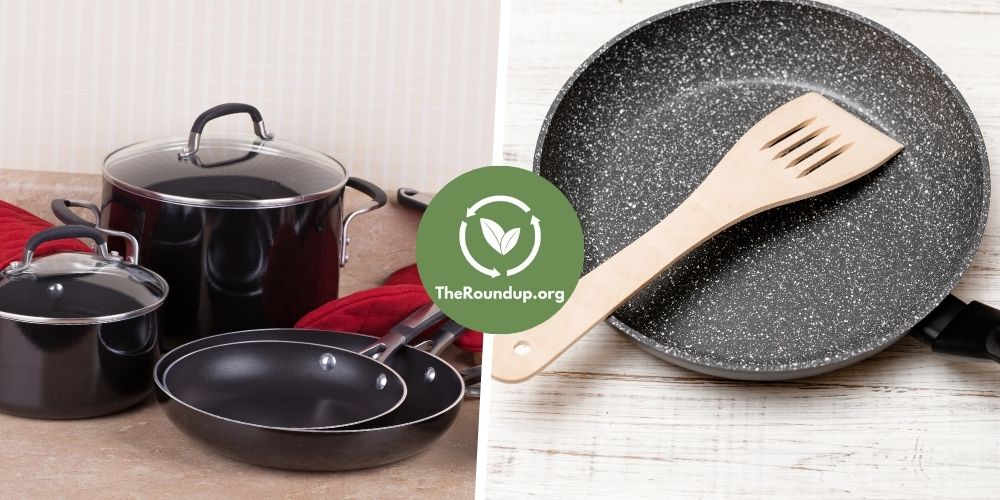
Stainless steel is strong and durable. It can last many years. Ceramic is lighter than stainless steel. It’s easy to handle. Stainless steel heats evenly. Ceramic heats slowly. But ceramic holds heat longer. Ceramic doesn’t react with acidic food. Stainless steel may react. This can change food taste. Ceramic is stylish. It comes in many colors. Stainless steel looks classic. Both are good choices for cooking.
Credit: theroundup.org
Tips For Safe Use
Always wash ceramic cookware by hand. Use mild soap and a soft sponge. Avoid harsh scrubbing to keep the surface smooth. This prevents scratches. Scratches can harm the cookware.
Store cookware with care. Stack with soft cloth between pieces. This avoids chipping. Chipped cookware can be unsafe. Inspect regularly for damage. Replace if there are large chips or cracks.
Cook on low or medium heat. High heat can damage ceramic. It can cause cracks. Use the right utensils. Wooden or silicone tools are best. Metal tools may scratch the surface.
Let the cookware cool before washing. Sudden temperature changes can cause cracks. Always use oven mitts when handling hot pans. Keep children away from hot cookware.
Consumer Reviews And Expert Opinions
Many people love using ceramic cookware. They say food doesn’t stick. Cleaning is easy. Some users worry about chips. They don’t like cracks in the coating. Proper care is important to avoid damage. Most users are happy with their purchase. They feel it is a safe option for cooking.
Experts suggest using wooden or silicone utensils. This keeps the ceramic coating safe. Avoid using metal tools. They can scratch the surface. Experts also advise not to use high heat. This prevents overheating and damage. Hand washing is better than using a dishwasher. It helps keep the cookware in good condition. Many experts agree that ceramic cookware is safe and effective when used properly.
Frequently Asked Questions
Is Ceramic Cookware Safe For Your Health?
Ceramic cookware is generally safe for your health. It is free from harmful chemicals like PFOA and PTFE. Ensure quality by choosing reputable brands. Avoid overheating and use wooden or silicone utensils to maintain the coating. Regularly check for scratches or damage to ensure continued safety.
What Are The Negatives Of Ceramic Cookware?
Ceramic cookware can chip easily and lose its non-stick quality over time. It may not handle high heat well, affecting cooking performance. Some low-quality options might contain harmful chemicals. These drawbacks can impact durability and safety, making it less suitable for certain cooking methods.
What Is The Safest Cookware For Your Health?
Stainless steel, cast iron, and ceramic cookware are considered safe for health. These materials are non-toxic and durable. Choose high-quality brands to ensure safety and longevity. Avoid non-stick coatings containing harmful chemicals like PFOA. Proper maintenance can enhance the safety and longevity of these cookware options.
Is Ceramic Cookware Safe If Scratched?
Scratched ceramic cookware is generally safe but can lose non-stick properties. Avoid using it if the coating chips. Damaged surfaces might harbor bacteria and reduce cooking efficiency. Consider replacing severely scratched items to ensure food safety and optimal performance. Always follow care instructions to prolong the cookware’s lifespan.
Conclusion
Ceramic cookware offers a safe option for many kitchens. Its non-stick surface makes cooking easier. Many people appreciate its eco-friendly materials. But always check the quality before buying. Ensure it’s free of harmful chemicals. Proper care extends its lifespan. Avoid metal utensils to prevent scratches.
Clean gently to maintain its coating. Overall, ceramic cookware can be a healthy choice. It provides peace of mind while cooking. Choose wisely and enjoy your meals safely.