
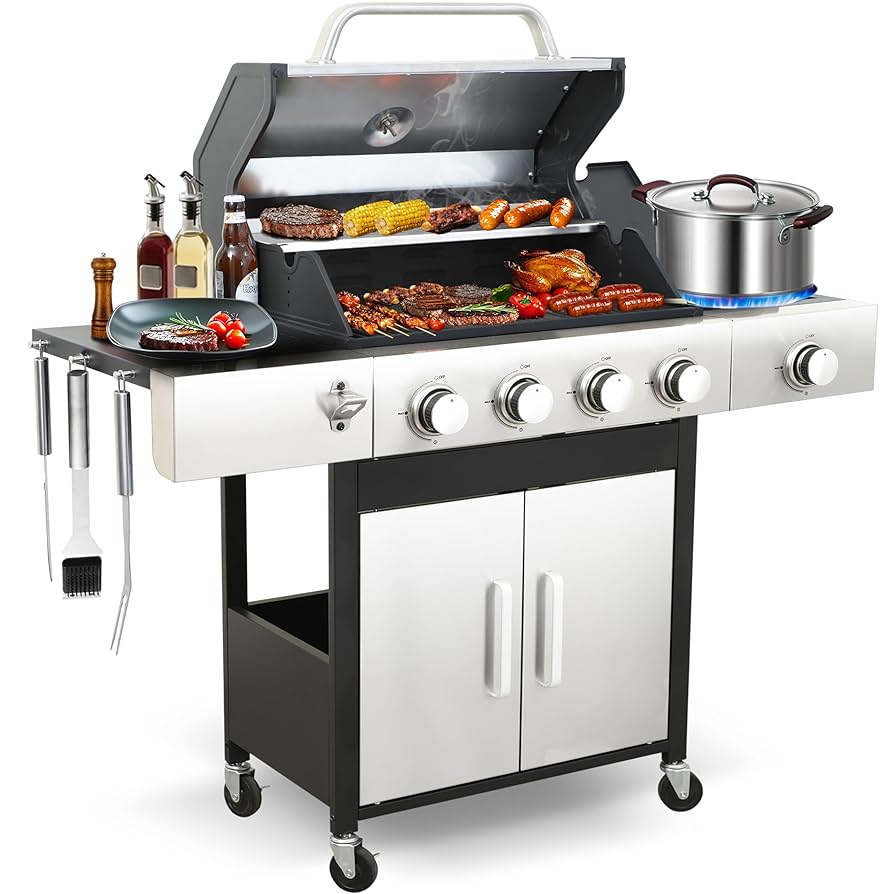
Have you ever wondered how much propane your gas grill uses? Knowing this can help you plan your cookouts better and avoid running out of fuel at the worst moment.
Whether you’re grilling for a small family dinner or a big backyard party, understanding propane consumption can save you money and stress. You’ll discover simple facts about propane use, how to estimate your grill’s fuel needs, and tips to make your grilling sessions last longer.
Keep reading to become a smarter, more prepared griller!
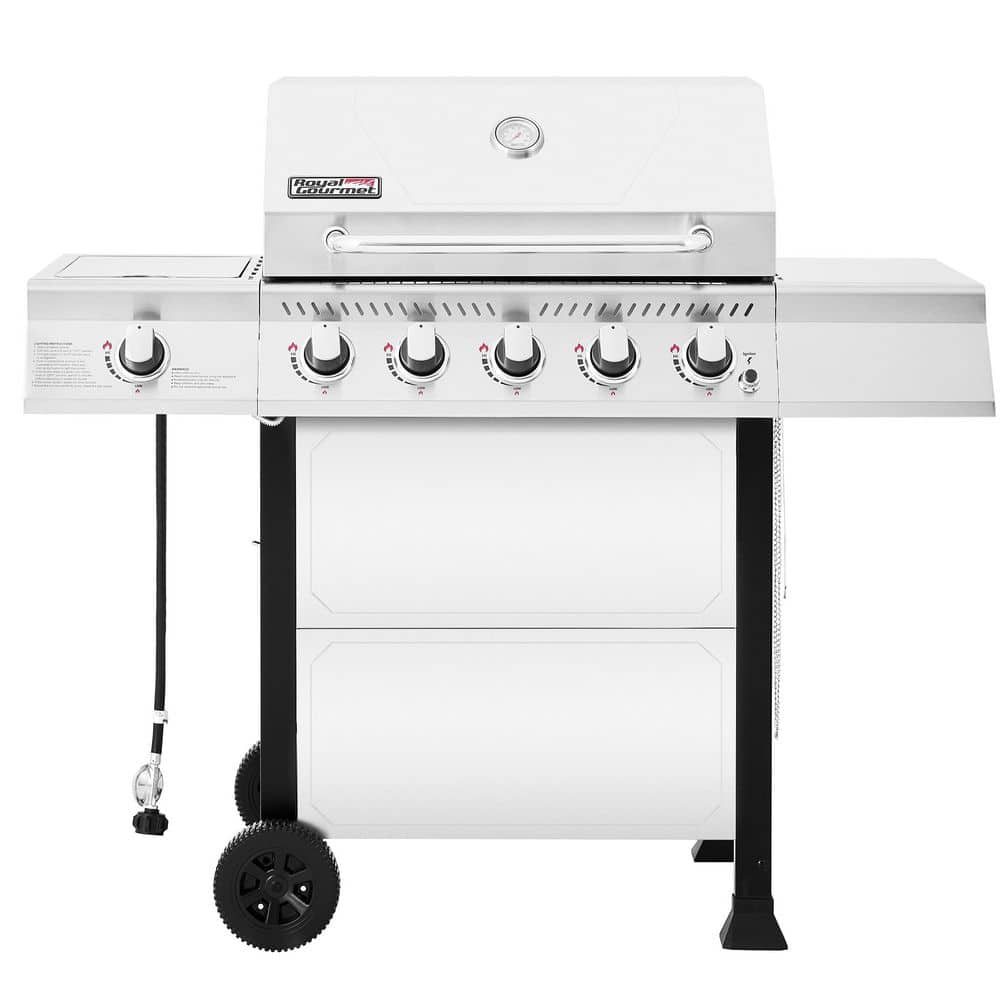
Credit: www.homedepot.com
Propane Basics For Grilling
Propane is a popular fuel for gas grills. It burns clean and heats up fast. Many people use propane to cook outdoors.
This guide explains what propane is and how it powers gas grills. You will learn the basics of propane use for grilling.
What Is Propane
Propane is a type of gas stored as a liquid in tanks. It comes from natural gas and oil. Propane is easy to store and transport.
- Colorless and odorless gas
- Added smell for safety
- Stored under pressure as liquid
- Used for heating, cooking, and vehicles
How Propane Powers Gas Grills
Gas grills use propane to create heat for cooking. The propane flows from the tank through a valve and into burners. When lit, the gas burns and produces a flame.
| Part | Function |
| Propane Tank | Stores liquid propane |
| Regulator | Controls gas flow to grill |
| Burners | Where propane burns to make heat |
| Grill Grates | Hold food over the flame |
Factors Affecting Propane Use
Propane use in gas grills depends on several key factors. Understanding these can help you estimate how much propane your grill will need.
These factors include the grill’s size, the cooking temperature and time, and how often you use the grill.
Grill Size And Btu Rating
Bigger grills use more propane because they have larger burners. The BTU rating shows how much heat the grill produces. Higher BTU means more propane use.
| Grill Size | BTU Rating (per hour) | Propane Use Estimate (lbs/hour) |
|---|---|---|
| Small (2 burners) | 20,000 | 0.5 |
| Medium (3 burners) | 30,000 | 0.75 |
| Large (4+ burners) | 50,000 | 1.25 |
Cooking Temperature And Duration
Higher cooking temperatures use more propane. Longer cooking times increase total propane use. Keeping the lid closed helps keep heat in and saves propane.
- Low heat (250°F) uses less propane.
- Medium heat (350°F) uses moderate propane.
- High heat (450°F+) uses the most propane.
- Cooking longer means more propane is burned.
Grill Usage Frequency
How often you grill affects your total propane use. Frequent grilling means you will buy propane more often. Infrequent use leads to longer intervals between refills.
- Daily grilling can use 10+ pounds of propane per week.
- Weekly grilling may use 2 to 5 pounds per week.
- Monthly grilling uses less than 1 pound per session.
Estimating Propane Consumption
Knowing how much propane your gas grill uses helps you plan better. It saves time and avoids running out of fuel during cooking.
This guide explains how to estimate propane use based on different factors. You will learn average consumption, how grill settings affect usage, and see real examples.
Average Propane Use Per Hour
Most gas grills use propane at a rate depending on their size and heat output. On average, a grill burns about 1 pound of propane per hour on high heat.
- Small grills use around 0.5 pounds per hour
- Medium grills use about 1 to 1.5 pounds per hour
- Large grills can use up to 2 pounds or more per hour
Calculating Usage Based On Grill Settings
Grill temperature settings change how fast propane burns. Higher heat means more propane used. Lower heat saves fuel.
| Grill Setting | Estimated Propane Use (pounds/hour) |
|---|---|
| Low (250°F to 300°F) | 0.3 – 0.6 |
| Medium (300°F to 400°F) | 0.6 – 1.0 |
| High (400°F to 550°F) | 1.0 – 2.0 |
Examples Of Typical Consumption
Here are examples to help you understand propane use during grilling sessions.
- A small grill running on medium heat for 2 hours uses about 1 to 1.2 pounds of propane.
- A medium grill on high heat for 1.5 hours burns roughly 1.5 to 3 pounds of propane.
- A large grill on low heat for 3 hours consumes around 0.9 to 1.8 pounds of propane.
Propane Tank Sizes And Capacity
Knowing how much propane your gas grill uses helps you plan better. It also helps you choose the right tank size for your needs.
Propane tanks come in several sizes. Each size holds a different amount of propane fuel.
Common Tank Sizes
The most common propane tank size for grills is 20 pounds. Other sizes include 5, 10, 30, and 40 pounds.
- 5-pound tanks are small and easy to carry.
- 10-pound tanks offer more propane but still stay portable.
- 20-pound tanks are the standard size for most grills.
- 30 and 40-pound tanks are larger and used for bigger grills or longer cooking times.
How Much Propane Each Tank Holds
Propane tanks are usually labeled by their total weight. This includes the weight of the tank and the propane inside.
Here is a simple guide to how much propane each tank size holds:
| Tank Size | Propane Capacity (Gallons) | Propane Weight (Pounds) |
|---|---|---|
| 5 lb | 1.2 gallons | 5 pounds |
| 10 lb | 2.4 gallons | 10 pounds |
| 20 lb | 4.7 gallons | 20 pounds |
| 30 lb | 7.1 gallons | 30 pounds |
| 40 lb | 9.4 gallons | 40 pounds |
Tank Weight Vs. Propane Volume
Tanks have a tare weight, which is the weight of the empty tank. The propane inside adds to this weight.
To know how much propane is left, subtract the tare weight from the total tank weight. This gives the propane weight.
- Tare weight is stamped on the tank collar.
- Propane weighs about 4.24 pounds per gallon.
- Always fill tanks to 80% capacity for safety.
Maximizing Propane Efficiency
Knowing how much propane a gas grill uses helps you save fuel and money. Using propane efficiently keeps your grill running longer.
Simple changes in maintenance, covering, and cooking can improve propane use. These tips help you cook better and waste less fuel.
Proper Grill Maintenance
Clean grills burn propane more efficiently. Dirt and grease can block burners and lower heat output.
Check for leaks and damage in hoses and connections. Fixing these stops propane waste and keeps you safe.
- Clean grill grates and burners regularly
- Inspect propane hoses for cracks or leaks
- Replace worn or damaged parts promptly
- Keep vents clear for proper airflow
Using Grill Covers And Insulation
Grill covers protect your grill from weather damage. A well-covered grill lasts longer and uses fuel better.
Adding insulation around the grill body keeps heat inside. This reduces propane needed to keep the grill hot.
- Use a tight grill cover after cooking
- Store your grill in a sheltered area
- Consider heat-resistant mats or insulation
- Seal gaps to avoid heat loss
Optimizing Cooking Techniques
Cook with the lid closed to keep heat in. This lowers propane use and cooks food faster.
Preheat the grill only for a few minutes. Avoid long preheating times to save fuel.
- Use medium heat settings for most foods
- Group small items together to cook evenly
- Turn off burners early and use residual heat
- Keep the grill lid closed during cooking

Credit: www.amazon.com
Signs Of Low Propane And Safety Tips
Using a gas grill is fun, but it needs propane to work well. Knowing when propane is low keeps you safe and cooking right.
This guide explains how to spot low propane and how to handle propane safely to avoid accidents.
Detecting When Propane Is Running Low
Your grill may start to have weak flames or take longer to heat when propane is low. Watch for these signs early.
You can also check the propane tank weight or use a gauge to see how much propane is left.
- Flames become smaller or uneven
- Grill takes longer to heat up
- Hissing sound stops or changes
- Tank feels lighter when lifted
- Use a propane gauge if available
Safe Handling And Storage Practices
Keep propane tanks outside in a cool, dry place. Do not store tanks indoors or near heat sources.
Always check hoses and connections for leaks before use. Turn off the tank valve when not grilling.
- Store tanks upright and away from direct sunlight
- Keep tanks away from flames or sparks
- Check for leaks using soapy water on connections
- Close tank valve after each use
- Use proper tools to tighten fittings
Emergency Measures For Propane Leaks
If you smell gas or hear a hissing sound, turn off the propane tank immediately. Do not use flames or electrical switches.
Move away from the leak and call your propane supplier or emergency services for help.
- Turn off the propane tank valve at once
- Avoid lighting matches or using electrical devices
- Move to fresh air quickly
- Call emergency services or propane supplier
- Do not try to fix the leak yourself
Credit: www.amazon.com
Frequently Asked Questions
How Much Propane Does A Gas Grill Use Per Hour?
A standard gas grill typically uses around 1 to 2 pounds of propane per hour. The actual usage can vary based on grill size and cooking temperature. For precise grilling, monitor your tank gauge and adjust the flame accordingly to ensure efficient fuel use.
How Long Does A 20-pound Propane Tank Last?
A 20-pound propane tank generally lasts about 18 to 20 hours on a medium-sized grill. Usage depends on cooking temperature and grill model. Regularly check your tank level to avoid unexpected runouts during grilling sessions.
What Affects Propane Consumption In Grills?
Several factors affect propane consumption, including grill size, cooking temperature, and frequency of use. Windy conditions and grill maintenance also play roles. Keeping the grill clean and using a lid can help optimize propane usage.
How To Reduce Propane Usage While Grilling?
To reduce propane usage, preheat the grill for a shorter time and cook with the lid closed. Adjust the flame to a lower setting for longer cooking durations. Regular maintenance and cleaning can also improve grill efficiency, resulting in less propane consumption.
Conclusion
Knowing how much propane your gas grill uses helps plan your cookouts better. Different grills and temperatures change fuel use. A small grill uses less propane than a big one. Keeping track of usage saves money and avoids surprises. Always check your propane tank before grilling.
Regular maintenance keeps your grill working well and using fuel efficiently. Enjoy grilling with confidence and control over your propane use. Simple steps make every barbecue smoother and more fun.