
If you’re thinking about giving your concrete floors a smooth, polished look, one question probably comes to mind: how much does it cost to grind concrete? You want to know what to expect before you start, so you don’t get surprised by hidden fees or unexpected expenses.
Understanding the costs involved can help you plan your budget better and make smarter decisions for your space. Keep reading, and you’ll get a clear picture of the factors that affect the price and how to get the best value for your money.
Factors Affecting Concrete Grinding Costs
The size of the concrete surfacegreatly impacts the cost. Larger areas need more time and tools. Surface damage level also matters. Deep cracks or uneven spots require extra work and raise expenses.
The type of grinding equipmentused affects the price. Advanced machines cost more but work faster. Basic tools cost less but take longer.
Labor costsvary depending on location and skill level. Skilled workers charge more but deliver better results.
Additional services like sealing, polishing, or cleanupadd to the total cost. These steps improve durability and appearance but increase price.
Credit: blog.onfloor.com
Typical Price Ranges
Concrete grinding costs usually range between $1 and $5 per square foot. Factors like surface size and finish type affect the final price. Simple jobs tend to be cheaper, while detailed work can increase costs.
Small Projects
Small concrete grinding jobs usually cost between $2and $6per square foot. These projects include small patios or driveways. Prices depend on the surface condition and equipment needed. Simple jobs with little damage cost less.
Medium Projects
Medium-sized projects range from $3to $8per square foot. Examples include garage floors or larger patios. More labor and time increase the price. Extra work like crack repair adds to the cost.
Large Projects
Large projects may cost $5to $10per square foot. These include commercial spaces or big warehouse floors. Bigger areas require more equipment and workers. Prices can vary based on floor condition and finishing style.
Diy Vs Professional Grinding
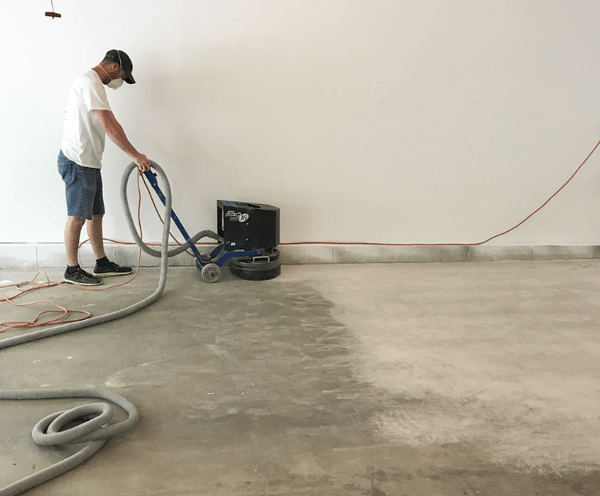
Grinding concrete yourself costs less upfront but needs special tools. Renting or buying grinders can cost $50 to $200 per day. You also need diamond grinding pads, which add to costs.
Hiring professionals may cost $2 to $6 per square foot. This price includes labor, equipment, and cleanup. Professionals finish faster and with better quality.
| DIY Grinding | Professional Grinding | |
|---|---|---|
| Cost | Lower upfront, tool rental or purchase needed | Higher, includes labor and materials |
| Skill Level | Requires learning and practice | Expertise and experience guaranteed |
| Safety | Must use safety gear and precautions | Professionals follow strict safety rules |
- DIY needs good knowledge of tools and techniques.
- Professionals handle tough spots and uneven surfaces.
- Grinding dust and noise require protection for DIYers.
- Pros have proper equipment for dust control and safety.

Credit: www.carpetremovalsydney.com.au
Ways To Save On Grinding Expenses
Choosing the right contractorcan lower costs significantly. Look for those with good reviews and fair prices. Ask for quotes and compare them carefully. Skilled contractors work faster, saving you money. Avoid contractors who charge very low prices; quality may be poor.
Scheduling efficientlyhelps reduce expenses. Plan grinding during off-peak times when contractors are less busy. This may lead to discounts. Avoid rushing the job, as haste can cause mistakes and extra costs.
Material and equipment choicesaffect the price. Using standard grinding tools is cheaper than specialized equipment. Sometimes renting equipment can save money instead of buying. Discuss options with your contractor to find the best fit for your budget.
Common Mistakes That Increase Costs
Mistakes like choosing the wrong equipment or poor surface preparation can raise grinding costs. Skipping detailed planning often leads to extra work and higher expenses. Understanding these errors helps keep the project within budget.
Ignoring Surface Preparation
Surface preparation is very important for concrete grinding. Skipping this step causes uneven grinding and more work later. Dirt, grease, or old paint left on the surface can make the job harder. This leads to extra costs for cleaning and fixing mistakes.
Underestimating Project Scope
Many people think concrete grinding is quick and easy. This can cause wrong budget plans. Large or complex areas need more time and tools. Not knowing the full scope often means paying more for extra hours or materials.
Delaying Maintenance
Concrete that is not maintained breaks down faster. Small cracks or damage can grow bigger if ignored. Fixing big problems costs much more than regular care. Timely maintenance helps keep costs low over time.
Credit: monctonconcrete.com
Frequently Asked Questions
How Much Does Concrete Grinding Cost Per Square Foot?
Concrete grinding typically costs between $1 and $4 per square foot. Prices vary based on surface condition, location, and project size. Additional factors like repair needs and finish type can also impact the overall cost of grinding concrete surfaces.
What Factors Influence The Cost Of Concrete Grinding?
Costs depend on slab size, surface condition, and required finish. Equipment type and labor rates also affect prices. Complex jobs with cracks or stains may increase the total cost due to extra preparation and materials.
Is Concrete Grinding Cost-effective For Floor Resurfacing?
Yes, concrete grinding is cost-effective for leveling and smoothing floors. It’s cheaper than full replacement and extends floor life. Grinding also prepares surfaces for coatings, improving durability and appearance at a reasonable price.
Can Diy Concrete Grinding Reduce Overall Costs?
DIY grinding can save labor costs but requires proper tools and experience. Mistakes may cause damage, increasing expenses. Hiring professionals ensures quality results and may be more cost-efficient for large or complex projects.
Conclusion
Concrete grinding costs vary based on project size and condition. Smaller jobs usually cost less, while larger areas need more time and effort. Surface type and finish also affect the price. Choosing the right equipment and professional help can save money in the long run.
Always plan your budget carefully before starting work. This ensures you get the best results without surprises. Concrete grinding can improve your space’s look and safety. A clear understanding of costs helps you make smart decisions.