

If you’ve ever fired up a charcoal grill, you know that getting the heat just right can be tricky. One of the biggest questions you might have is, “How many briquettes do I need?” Using too few could leave your food undercooked, while too many might turn your meal into a burnt disaster.
In this post, you’ll discover the simple secrets to perfect charcoal grilling every time. Keep reading, and you’ll learn how to choose the right amount of briquettes to make your next cookout a delicious success.
Choosing Briquettes
Choosing the right briquettes is important for your charcoal grill. The type of briquettes affects how long and how hot your grill will burn.
Understanding the types and factors helps you pick the best briquettes for your cooking needs.
Types Of Charcoal Briquettes
There are different types of charcoal briquettes to choose from. Each type has unique features and burning qualities.
- Regular Briquettes: Made from compressed charcoal and fillers. They burn steadily and last long.
- Natural Briquettes: Made without fillers or chemicals. They are cleaner and give better flavor.
- Quick Light Briquettes: Contain additives to help them light faster. Good for fast grilling but can produce more ash.
- Organic Briquettes: Made from natural materials like coconut shells. They burn hot and are eco-friendly.
Factors Affecting Briquette Selection
Several factors affect which briquettes work best for your grill. These factors help you get the right heat and cooking time.
- Cooking Time: Choose briquettes that burn for the time you need. Long cook times need slow-burning briquettes.
- Heat Level: Some briquettes produce higher heat. Pick briquettes that match your recipe’s heat needs.
- Smoke and Flavor: Natural briquettes add better flavor. Avoid briquettes with fillers if flavor matters.
- Ease of Lighting: Quick light briquettes start fast but may add chemicals. Regular briquettes need more time but are cleaner.
- Cost and Availability: Price and local availability can affect your choice.
Credit: www.thegrillcoach.com
Estimating Briquette Quantity
Knowing how many briquettes to use helps keep your grill hot enough. Too few briquettes make cooking slow. Too many cause waste and flare-ups.
Estimating briquettes depends on your grill, cooking time, and food. This guide explains how to count briquettes for your charcoal grill.
Grill Size And Shape
Different grills need different briquette amounts. Small grills use fewer briquettes than large ones. Round grills spread heat evenly. Rectangular grills need more briquettes on one side for direct heat.
| Grill Size | Approximate Briquettes |
|---|---|
| Small (up to 14 inches) | 20-25 briquettes |
| Medium (15-22 inches) | 30-40 briquettes |
| Large (over 22 inches) | 40-60 briquettes |
Cooking Duration And Temperature
Longer cooking times need more briquettes or adding new ones. High heat calls for more briquettes at once. For slow cooking, use fewer briquettes and keep the lid closed.
- For 30-60 minutes at medium heat, use 30-40 briquettes.
- For over 1 hour at low heat, use 20-25 briquettes and add more if needed.
- For high heat over 400°F, use 50-60 briquettes.
Food Quantity And Type
The amount and kind of food affect briquette needs. Thick meats take longer and need steady heat. Small items cook faster and need less fuel. More food means more briquettes to keep heat steady.
| Food Type | Quantity | Briquette Estimate |
|---|---|---|
| Steaks or Chops | 4-6 pieces | 30-40 briquettes |
| Burgers or Hot Dogs | 8-12 pieces | 20-30 briquettes |
| Whole Chicken or Large Cuts | 1-2 pieces | 40-50 briquettes |
| Vegetables or Small Items | Varies | 15-25 briquettes |
Briquette Arrangement Techniques
Arranging briquettes properly helps control the heat for grilling. Different setups suit different cooking styles.
Knowing how many briquettes to use and where to place them is key for good grilling results.
Direct Heat Setup
Direct heat means placing briquettes under the food. This setup cooks food fast at high temperatures.
Use a full layer of briquettes evenly spread for direct heat. About 30-40 briquettes work well for a medium grill.
- Arrange briquettes in a single even layer
- Keep briquettes close to each other for steady heat
- Good for steaks, burgers, and quick cooking
Indirect Heat Setup
Indirect heat cooks food slowly away from the briquettes. It is good for larger or tougher cuts of meat.
Place briquettes on one side of the grill only. Use 20-30 briquettes and keep the other side empty for indirect cooking.
- Pile briquettes on one side of the grill
- Leave the other side free for food placement
- Use a drip pan under the food to catch juices
Two-zone Cooking Method
The two-zone method combines direct and indirect heat. It lets you sear food then cook it slowly.
Arrange briquettes on one side of the grill only, about 25-35 briquettes. Use the other side without briquettes for indirect cooking.
- One side with a full pile of briquettes for direct heat
- Other side empty for indirect heat
- Start food on the hot side, then move to the cooler side
- Works well for chicken, ribs, and roasts

Credit: www.gianteagle.com
Lighting And Maintaining Heat
Using the right number of briquettes helps keep your charcoal grill hot. Lighting and keeping the heat steady is key for good cooking.
This guide explains how to light briquettes well and control the temperature during cooking.
Effective Briquette Lighting
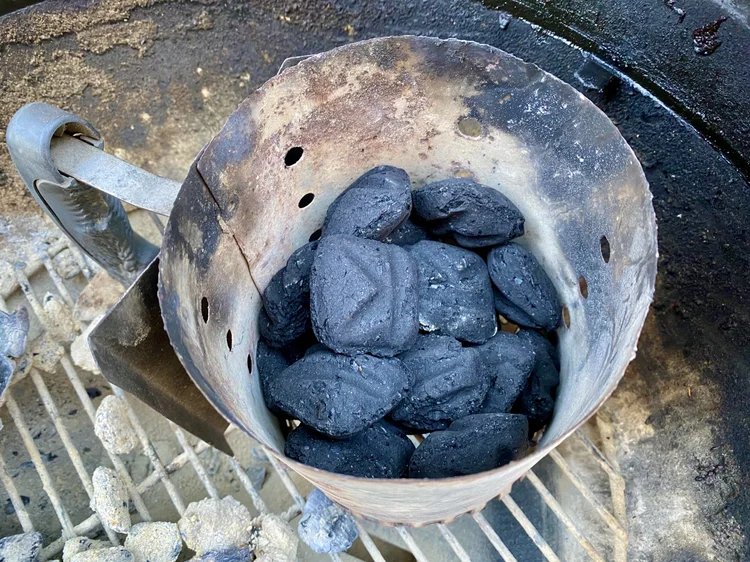
Start with a clean grill and arrange briquettes in a pile or chimney starter. Use lighter cubes or newspaper to ignite the briquettes quickly.
- Place briquettes tightly for faster lighting
- Use a chimney starter for even heat
- Wait until briquettes are gray with ash before spreading
Controlling Airflow And Temperature
Airflow controls the fire’s heat. Open vents let in oxygen to make briquettes burn hotter. Close vents to lower the temperature.
| Vent Position | Effect on Heat |
| Fully Open | High heat, fast burn |
| Half Open | Medium heat, steady burn |
| Mostly Closed | Low heat, slow burn |
Adding Briquettes During Cooking
Add fresh briquettes to keep heat steady during long cooks. Place new briquettes next to hot ones to light them quickly.
- Use tongs to add briquettes safely
- Add small amounts to avoid temperature spikes
- Wait 10-15 minutes for briquettes to ash over
Troubleshooting Common Issues
Using the right number of briquettes is key for a good charcoal grill experience. Sometimes, problems happen during grilling.
Here are tips to fix common issues with your charcoal grill.
Insufficient Heat
Your grill may not get hot enough if you use too few briquettes. Low heat can cause slow cooking and tough food.
Check if the briquettes are fresh and dry. Wet or old briquettes do not burn well.
- Add more briquettes to increase heat.
- Use fresh, dry briquettes for better burning.
- Arrange briquettes in a tight pile to keep heat.
- Make sure air vents are open for good airflow.
Excessive Smoke
Too much smoke can make your food taste bitter. This happens if briquettes are wet or if you use too many briquettes at once.
Burning charcoal too quickly can also cause thick smoke. Slow the burn by adjusting the air vents.
- Use dry briquettes only.
- Do not add too many briquettes at once.
- Keep air vents partly open to control smoke.
- Avoid using lighter fluid, which can cause smoke.
Uneven Cooking
Uneven heat makes some food parts cook fast and others stay raw. This often happens if briquettes are spread unevenly.
Use a two-zone fire by piling briquettes on one side and leaving the other side clear. This helps control cooking.
- Spread briquettes evenly for uniform heat.
- Create a hot zone and a cooler zone in the grill.
- Turn food often to cook all sides well.
- Check briquettes and add more if some burn out.
Safety Tips For Using Briquettes
Using briquettes on your charcoal grill needs care. Safety helps avoid accidents and injuries.
Follow these tips to handle, store, and dispose of briquettes safely for a good grilling experience.
Proper Handling And Storage
Keep briquettes dry to avoid problems when lighting them. Store them in a cool, dry place.
Use gloves when handling briquettes to protect your skin from dust and dirt.
- Store briquettes in a sealed container
- Keep away from children and pets
- Do not store near flammable materials
- Check package instructions for storage tips
Avoiding Carbon Monoxide Risks
Burning briquettes releases carbon monoxide, a harmful gas. Always grill outdoors in open areas.
Never use a charcoal grill inside your home, garage, or tent. Proper airflow is important for safety.
- Grill only outside
- Keep grill away from enclosed spaces
- Make sure wind blows smoke away
- Use a carbon monoxide detector near grilling area
Disposal Of Used Briquettes
After grilling, let used briquettes cool completely. Hot briquettes can cause fires if not handled right.
Dispose of ashes in a metal container. Never dump hot ashes in trash or near dry leaves.
- Wait at least 48 hours for briquettes to cool
- Use a metal container with a lid for ashes
- Do not throw ashes in plastic or paper bins
- Keep ash container away from buildings and flammable items

Credit: lifehacker.com
Frequently Asked Questions
How Many Briquettes Are Needed For A Small Charcoal Grill?
For a small charcoal grill, use about 30-40 briquettes. This amount provides enough heat for 1-3 hours of cooking. Adjust based on grill size and cooking time needed.
How Many Briquettes For A Medium Charcoal Grill?
A medium grill typically requires 40-60 briquettes. This quantity offers steady heat for grilling meats and vegetables. Increase briquettes slightly for longer cooking sessions.
How Many Briquettes For A Large Charcoal Grill?
Use 60-100 briquettes for a large charcoal grill. This ensures consistent heat for extended cooking times and larger food quantities. Always monitor and add briquettes if needed.
Can I Reuse Charcoal Briquettes?
Yes, you can reuse briquettes once they cool. Remove ash and store them in a dry place. Reused briquettes burn slower and produce less heat.
Conclusion
Choosing the right number of briquettes makes grilling easier and tastier. Start with a small amount and add more if needed. Keep in mind the size of your grill and cooking time. Watching the heat helps you cook food just right.
Practice will help you learn what works best. Enjoy your grilling with confidence and good food every time.