
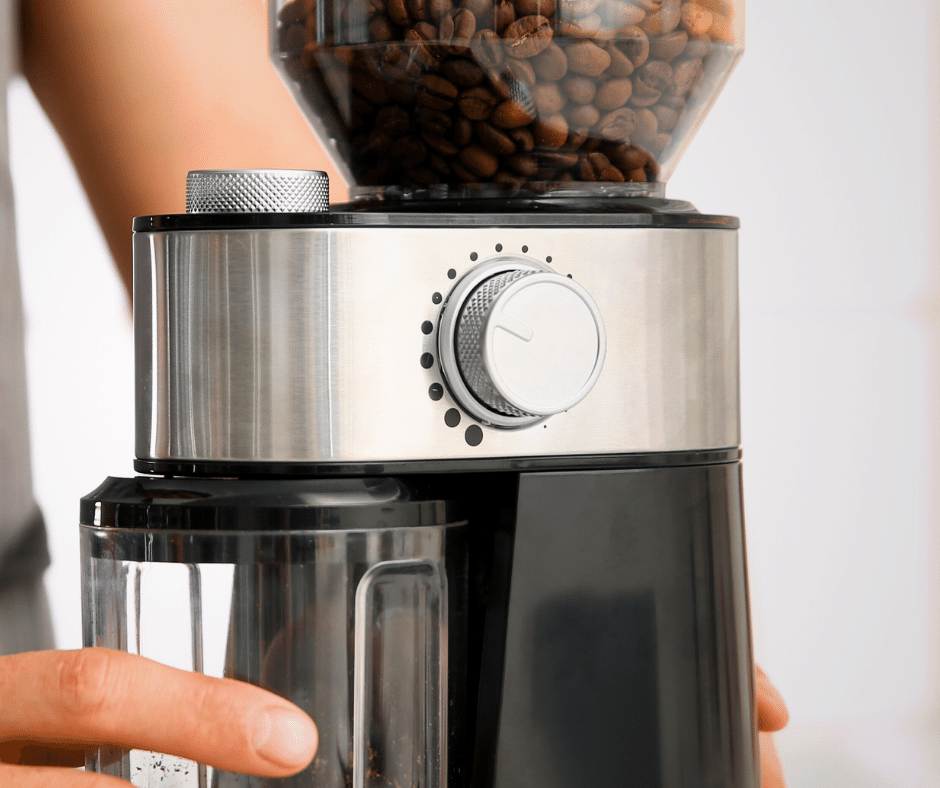
Have you ever wondered exactly how many coffee beans you need to grind for that perfect pot of coffee? Getting it just right can transform your morning routine and make every cup taste amazing.
Too few beans, and your coffee feels weak; too many, and it can turn bitter or overpowering. You’ll discover the simple, foolproof way to measure your beans so you can enjoy rich, flavorful coffee every time. Keep reading, and you’ll never guess how easy it is to master the perfect grind!

Credit: thewoodenskillet.com
Choosing The Right Coffee Beans
Arabicaand Robustaare the two main coffee bean types. Arabica beans have a sweet, soft taste with higher acidity. Robusta beans are stronger, more bitter, and have more caffeine. Choose based on your taste preference.
Freshnessmatters a lot. Beans start losing flavor soon after roasting. Buy beans roasted recently, and grind just before brewing for best taste.
The roast levelaffects flavor:
- Light roastkeeps most original flavors. It tastes fruity or floral.
- Medium roastbalances flavor and acidity. It is smooth and rich.
- Dark roasthas a strong, bold flavor. It is less acidic and more bitter.
Measuring Coffee Beans
The standard coffee-to-water ratiois about 1 to 15. This means 1 gram of coffee for every 15 grams of water. For example, 20 grams of coffeeneeds 300 ml of waterto brew.
Adjusting the ratio changes the brew strength:
- Stronger coffee:Use 1:14 or 1:13 ratio.
- Milder coffee:Use 1:16 or 1:17 ratio.
| Brew Strength | Coffee (grams) | Water (ml) |
|---|---|---|
| Strong | 20 | 260 |
| Standard | 20 | 300 |
| Mild | 20 | 340 |
Measuring coffee beans by weight is best for accuracy. A kitchen scale helps a lot. This way, you get the same good taste every time.
Grinding Beans For Different Brew Methods
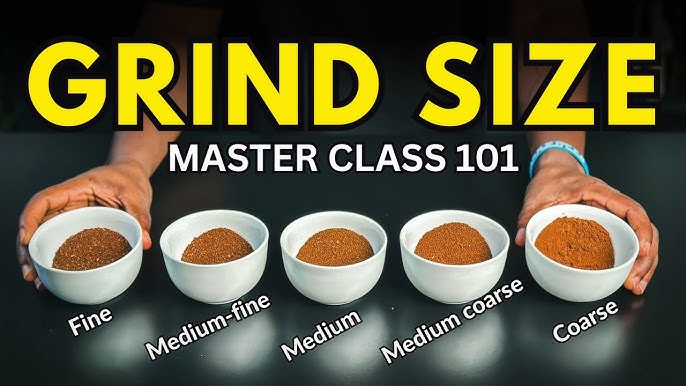
Coarse grindworks best for a French Press. The beans should be ground to about the size of sea salt. This helps the coffee steep slowly and get rich flavor. Use about 1 tablespoon of coffee per 4 ounces of water. This makes a good strength for most people.
Medium grindsuits drip coffee makers. The grind looks like sand. It allows water to flow through at the right speed. Use roughly 1 to 2 tablespoons of coffee per 6 ounces of water. Adjust to taste, but this is a good start.
Fine grindis needed for espresso machines. It looks like table salt or sugar. This lets water press through quickly and makes a strong shot. Use about 7 grams (1 tablespoon) of coffee for a single shot. This gives the best espresso flavor.

Credit: letsbrewcoffee.com
Tools For Measuring And Grinding
A coffee scalehelps measure the exact amount of beans. It ensures you use the right quantity for your pot. You can weigh the beans in grams for accuracy. This avoids using too many or too few beans.
Choosing the right grinder affects coffee taste and texture. There are two main types:
- Burr grinders: They crush beans evenly. This creates a consistent grind size.
- Blade grinders: They chop beans unevenly. This can cause inconsistent coffee flavor.
Use a burr grinder for a smoother cup. Adjust the grind size based on your brewing method. Fine for espresso, coarse for French press.
Tips For Consistent Grinding
Grinding coffee beans just before brewingkeeps the flavor fresh and rich. Coffee starts to lose taste soon after grinding. For best taste, grind beans in small batches. This way, the coffee stays aromatic and strong.
Cleaning your grinder regularlyis key. Old coffee oils and bits can make new coffee taste bitter or stale. Use a brush or cloth to clean the grinder parts. Doing this once a week keeps the machine working well and your coffee tasting great.
Troubleshooting Common Issues
Weak coffeeoften means not enough coffee grounds or too much water. Try using more coffee beansfor a stronger flavor. Grind the beans finer to help release more taste. Also, check the water temperature. It should be between 195°F and 205°F. If water is too cool, coffee will taste weak and flat.
Bitter coffeecan happen if the coffee is over-extracted. Use less coffee groundsor grind beans coarser to reduce bitterness. Avoid brewing too long. Keep brewing time between 4 and 5 minutes for drip coffee. Also, check the water temperature; too hot water can cause bitterness.
| Problem | Cause | Fix |
|---|---|---|
| Weak Coffee | Too few grounds, too much water, low water temperature | Use more beans, finer grind, heat water to 195°F-205°F |
| Bitter Coffee | Over-extraction, too fine grind, too hot water, long brew time | Use fewer grounds, coarser grind, lower water temp, shorten brew time |
Credit: www.youtube.com
Frequently Asked Questions
How Many Coffee Beans Make One Cup?
About 70 coffee beans are needed for one standard cup. This amount yields approximately 10 grams of coffee grounds. It ensures a balanced flavor and proper strength in your brew.
What Is The Right Grind Size For A Pot?
Use a medium grind size for a pot of coffee. It allows optimal extraction and avoids bitterness or weak taste. Adjust grind slightly based on your brewing method for best results.
How To Measure Beans For A Coffee Pot?
Use a kitchen scale to measure around 10-12 grams of beans per cup. This precision helps maintain consistency and taste. Adjust quantity based on pot size and personal preference.
Can I Grind Beans In Advance For A Pot?
Grinding beans fresh is best for flavor and aroma. Grind just before brewing to preserve oils and taste. If needed, grind within 30 minutes before making a pot.
Conclusion
Grinding the right amount of beans makes your coffee taste better. Use about one to two tablespoons of beans for every six ounces of water. Adjust the amount to match your taste. Freshly ground beans bring out the best flavor.
Too many beans can make coffee bitter. Too few make it weak. Keep it simple and enjoy your perfect cup every time. Experiment a little, and find what works best for you. Great coffee starts with the right bean grind.