
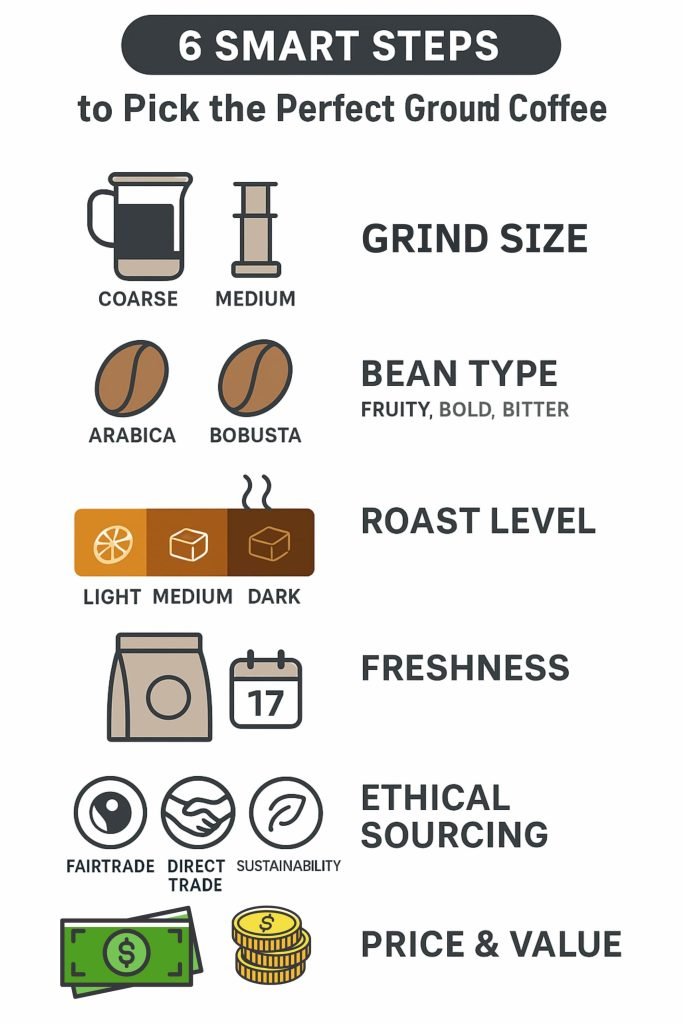
If you want the perfect espresso, grinding your coffee beans just right is key. But how long should you grind?
Too short, and your espresso might taste weak. Too long, and it could turn bitter. Getting this timing right can change your whole coffee experience. You’ll discover exactly how long to grind for espresso to unlock rich, bold flavors every time.
Keep reading, and you’ll soon be pulling shots like a pro.
Credit: coffeemachinetools.com
Grind Size And Espresso Quality
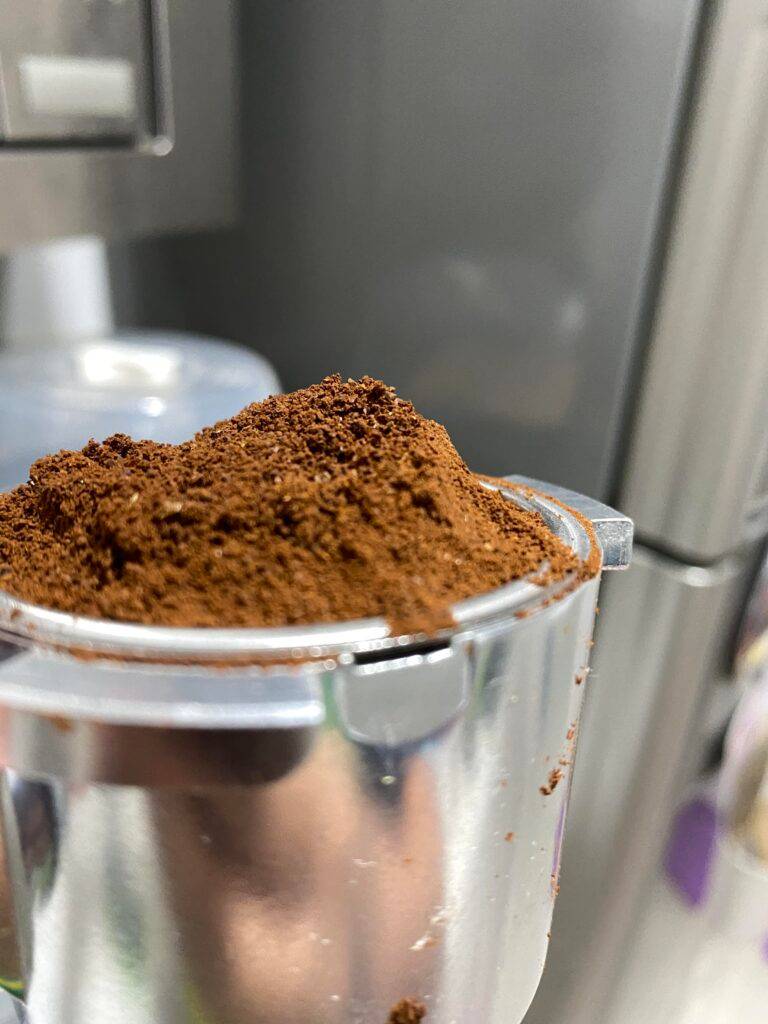
Fine grindis best for espresso. It allows water to pass slowly, creating a rich flavor. Medium grindis coarser and extracts faster but may taste weak. Too fine a grind can cause over-extraction and bitterness. Too coarse leads to under-extraction and sour taste.
Extraction time depends on grind size. Fine grind needs about 25-30 seconds. Medium grind extracts too quickly, often under 20 seconds. Proper extraction brings out balanced taste and aroma.
Consistencyin grind size is key. Uneven grounds cause uneven extraction. This results in mixed flavors and weak espresso. Using a quality grinder helps keep grind size uniform. Small changes in grind affect shot quality a lot.
Ideal Grinding Time
The ideal grinding timefor espresso usually ranges between 15 to 30 seconds. This range helps achieve the perfect fine grindneeded for rich flavor and good extraction.
Grinders differ. Burr grinders need less time than blade grinders. Burr grinders produce a more uniform grind, essential for espresso.
| Grinder Type | Typical Grinding Time |
|---|---|
| Burr Grinder | 15 – 20 seconds |
| Blade Grinder | 20 – 30 seconds |
- Overgrindingmakes coffee bitter and too fine, clogging the machine.
- Undergrindingleads to weak, sour taste because water flows too fast.
- Check grind size often. It should look like table salt.
Grinding Techniques
Burr grindersoffer a consistent grind size, which is key for espresso. They crush coffee beans between two abrasive surfaces. This method keeps the flavors balancedand avoids overheating the beans.
Avoid blade grindersas they chop beans unevenly. This causes uneven extractionand bitter taste in espresso. Blade grinders also create heat that can affect coffee flavor.
Grinding speedmatters. A slow and steadypace helps keep the temperature low. Fast grinding can heat the beans, changing their taste. Aim for a consistent speed to get the best results.

Credit: pesado585.com
Factors Affecting Grind Time
Bean typeaffects grind time because hard beans take longer to grind. Fresh beans grind faster and give better taste. Stale beans can clog the grinder and slow the process.
The grinder settingcontrols how fine or coarse the grind is. Finer settings need more time, while coarse settings require less time. Adjust settings based on your espresso machine and taste.
Dose amountmeans how much coffee you put in the grinder. Larger doses need more time to grind evenly. Small doses grind quickly but need careful timing to avoid over or under-grinding.
Testing And Tweaking Your Grind
Pulling test shots helps check the grind size and espresso flow. A shot taking too long means the grind is too fine. If the shot is too fast, the grind is too coarse. Watch the espresso drip speed closely.
Adjust the grind based on taste. Bitter flavor means grind finer. Sour or weak taste means grind coarser. Small changes make a big difference in flavor.
Track grind times to find the best setting. Note the grind size, shot time, and taste each time. This helps repeat the perfect espresso shot every time.

Credit: rmckeon.medium.com
Maintenance For Consistent Grinding
Cleaning your grinder regularly keeps the grind size steady. Old coffee oils and dust can clog burrs and change grind quality. Use a brush or grinder cleaner to remove residue. Wipe down the grinder’s exterior and hopper for best results.
Calibrating settings ensures the grind matches your espresso needs. Small changes can affect taste a lot. Test grind size often and adjust the dial or lever. Keep notes on settings that work well to repeat the process.
Replacing burrs is key when grinding becomes uneven or slow. Burrs wear down after many uses and lose sharpness. Check manufacturer advice for burr lifespan. Using fresh burrs keeps espresso flavor rich and consistent.
Frequently Asked Questions
How Long Should Espresso Coffee Be Ground?
Espresso coffee should be ground for about 20 to 30 seconds. This ensures a fine and consistent grind. Proper timing helps extract full flavor and aroma. Adjust the time based on your grinder’s speed and espresso machine type for best results.
What Grind Size Is Best For Espresso Brewing?
A fine grind size is best for espresso brewing. It allows water to extract rich flavors quickly. Too coarse a grind causes weak espresso, while too fine can cause over-extraction. Aim for a texture like powdered sugar for perfect espresso shots.
How Does Grinding Time Affect Espresso Taste?
Grinding time directly impacts espresso taste by controlling grind size. Longer grinding produces finer grounds, increasing bitterness and extraction. Shorter grinding results in coarser grounds, leading to sour or weak espresso. Finding the right balance ensures smooth, flavorful espresso.
Can Over-grinding Coffee Ruin Espresso Flavor?
Yes, over-grinding coffee can ruin espresso flavor. It creates overly fine grounds that cause bitter, burnt tastes. Over-extraction from over-grinding also clogs the portafilter, leading to slow extraction. Proper grinding time is essential to avoid ruining your espresso.
Conclusion
Grinding time matters a lot for good espresso taste. Too short or too long can change flavor. A fine, even grind helps water flow right. Start with small adjustments and watch the results. Use a timer to keep grind consistent each time.
Remember, practice makes the perfect shot. Enjoy the process of finding your best grind time. Good espresso comes with patience and care. Keep trying, and you will enjoy every cup.