
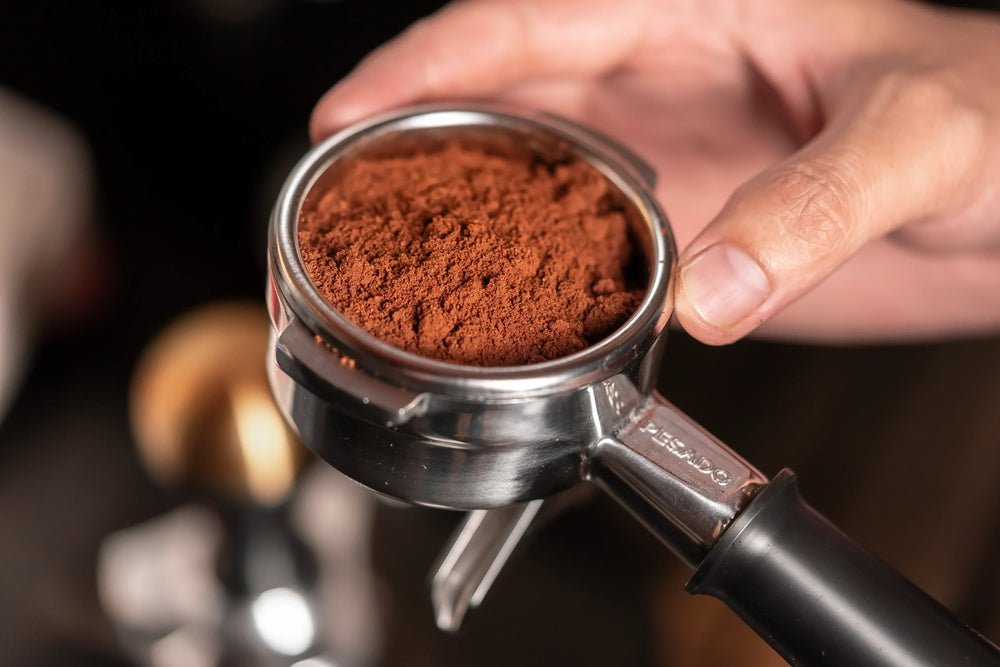
If you want the perfect espresso, knowing how long to grind your beans is key. Too short, and your coffee might taste weak.
Too long, and it could turn bitter or burnt. Getting this right can transform your daily cup from just okay to truly amazing. You’ll discover simple tips to master your grind time, so your espresso always hits the spot. Keep reading—you’re just moments away from brewing coffee like a pro.
Factors Affecting Grind Time
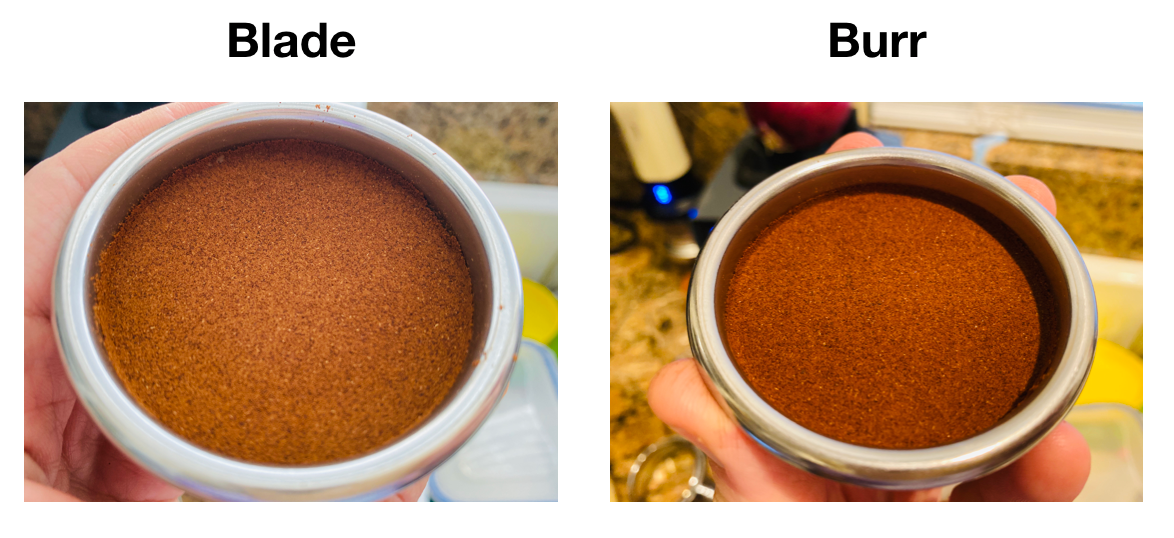
The type of beanaffects how long it takes to grind. Darker roasts are usually softer and grind faster. Light roasts are harder and take more time. The grinder typealso matters. Burr grinders give a more consistent grind but may take longer than blade grinders. Settings on the grinder change grind size and time. Finer grinds need more time; coarser grinds take less.
Espresso styleimpacts grind time too. A ristretto needs a finer grind and longer grind time. A lungo calls for a coarser grind and shorter time. Adjusting grind time helps get the best taste and crema.
| Factor | Impact on Grind Time |
|---|---|
| Bean Type & Roast Level | Darker roasts grind faster; lighter roasts take longer |
| Grinder Type & Settings | Burr grinders slower but consistent; fine settings need more time |
| Espresso Style | Ristretto = finer grind, longer time; Lungo = coarser grind, shorter time |
Credit: medium.com
Ideal Grind Size For Espresso
The ideal grind size for espressois very fine. It looks like powdered sugar but not too powdery. This fine grind helps water pass through the coffee quickly yet evenly.
Fine grind characteristicsinclude:
- Small, consistent particles
- Slightly powdery texture
- Allows for high pressure extraction
The impact on extractionis key. If the grind is too coarse, the water flows too fast, causing weak coffee. Too fine, and water struggles to pass, making the espresso bitter.
The right grind size balances flavor, strength, and crema. It ensures a smooth, rich espresso with good body and aroma.
Timing Your Grind
The typical time to grind espresso beans is 5 to 15 seconds. This depends on the grinder and the amount of coffee needed. Small doses take less time, while larger doses need more.
Grinding too long can make the coffee too fine. Too short grinding means the grind is too coarse. Both affect the taste of espresso.
Adjust the time to get the right consistency. Fine powder is needed for espresso. If the grind looks uneven, change the grind time.
| Grind Time (seconds) | Grind Size | Use |
|---|---|---|
| 5-7 | Fine | Single espresso shot |
| 8-12 | Fine to medium-fine | Double espresso shot |
| 13-15 | Medium-fine | More coffee or coarser espresso |
Common Grinding Mistakes
Grinding espresso beans too long can cause bitter flavors. Too short grinding leads to weak, watery coffee. Finding the right time ensures balanced taste and proper extraction.
Overgrinding Issues
Overgrindingespresso beans makes the coffee taste bitter and harsh. The fine particlesblock water flow, causing slow extraction. This leads to a strong, burnt flavor. Also, the espresso shot may have too much pressure, making your machine work harder. Avoid grinding too long. Aim for a texture like fine sand. Adjust grind time in small steps. A shorter grind timeoften improves taste and machine health.
Undergrinding Problems
Undergrindingleaves beans too coarse. Water flows too fast, causing weak, watery espresso. The shot lacks rich flavor and crema. Coffee tastes sour or flat. Coarse grounds lead to quick extraction, missing key coffee oils. Adjust grind time to be longer for finer texture. Beans should look like table salt. Proper grind size ensures balanced taste and good crema.
Tips For Perfect Grinding
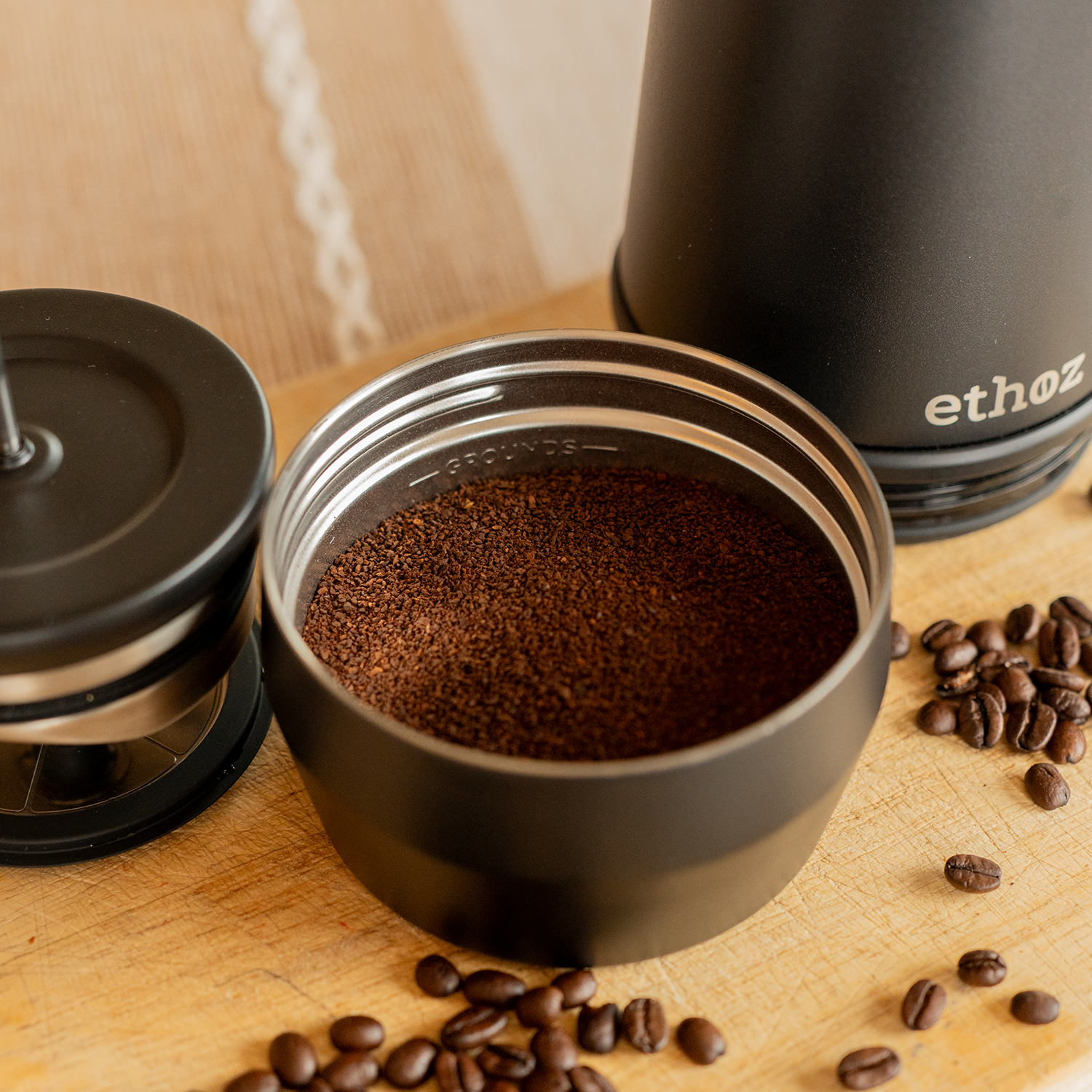
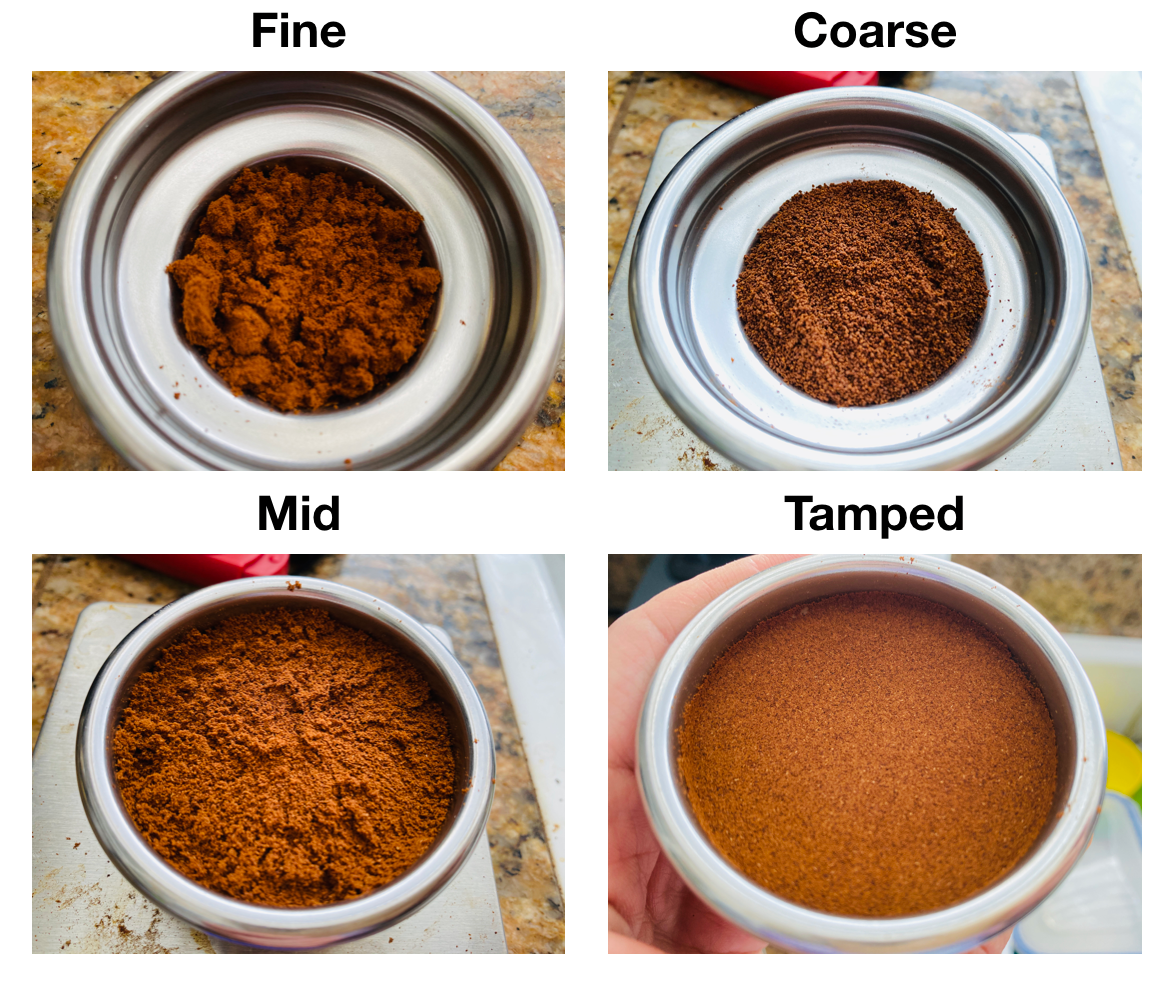
Calibrating your grindermeans setting it to the right size. Adjust the grind size based on your espresso machine’s needs. A fine grind is best for espresso, but too fine can cause clogging. Too coarse can make your coffee weak. Start with a medium-fine setting and test from there.
Test your grind by pulling a shot of espresso. Look for a shot time of about 25-30 seconds. If the shot runs too fast, grind finer. If it takes too long, grind coarser. Taste the espresso; it should be balanced, not bitter or sour. Keep adjusting until the flavor feels right.
Credit: planetarydesign.com
Credit: medium.com
Frequently Asked Questions
How Long Should I Grind Espresso Beans?
Grind espresso beans for about 20 to 30 seconds. This time ensures a fine, consistent grind for optimal extraction and rich flavor.
Does Grind Time Affect Espresso Taste?
Yes, grind time changes bean size and extraction. Too long makes espresso bitter, too short causes weak flavor.
How To Know When Espresso Grind Is Perfect?
Perfect espresso grind looks fine and feels like table salt. It should clump slightly but not be powdery.
Can Grind Time Vary By Grinder Type?
Yes, blade grinders need less time than burr grinders. Burr grinders offer more consistent and precise grind times.
Conclusion
Grinding espresso beans takes practice and patience. It’s not just about timing. Consistency in grind size matters. Aim for a fine texture. Like sand, but not powder. Too coarse, and the coffee may taste weak. Too fine, and it could be bitter.
Experiment with your grinder. Adjust until you find the sweet spot. Your taste buds will thank you. Remember, quality beans and a good grinder help. Enjoy the process. Savor each cup. Your perfect espresso is just a grind away. Happy brewing!