
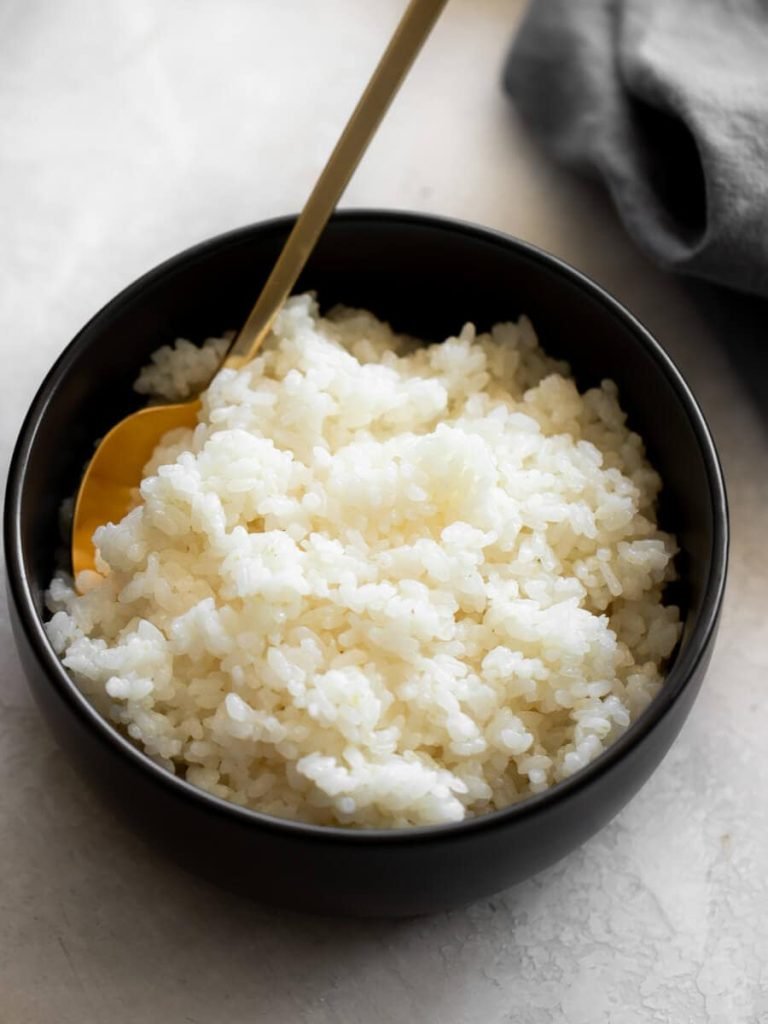
Are you ready to elevate your homemade sushi game? Cooking sushi rice perfectly is the first step to creating delicious sushi rolls, and using an Instant Pot can simplify the process.
But how long should you cook sushi rice in this handy kitchen gadget to achieve that perfect texture? It’s a question many sushi enthusiasts ponder, and you’re about to discover the secret. In this guide, you’ll find clear, step-by-step instructions to help you master the art of cooking sushi rice in your Instant Pot.
Whether you’re a seasoned chef or a curious beginner, this method promises to make your sushi rice fluffy, sticky, and absolutely irresistible. Read on to ensure every sushi roll you make is a masterpiece, starting with the perfect rice.
Choosing The Right Rice
Short-grain rice is best for sushi. It sticks together well. Japonica rice is perfect. It is soft and chewy. Calrose rice is another good choice. It is grown in California. Some people like Koshihikari rice. It is sweet and sticky. Avoid long-grain rice. It is not sticky. It will not hold well for sushi.
Rinse rice before cooking. This removes extra starch. Use cold water to rinse. Clear water means it is ready. Cook the rice in water. Use the Instant Pot. Add rice and water. Follow instructions on your Instant Pot. It will cook fast.
Preparing Rice For Cooking
Rinsingsushi rice is very important. It removes extra starch. Too much starch can make rice sticky. Use cold water to rinse. Fill a bowl with water. Put the rice in the bowl. Swirl it around gently. Repeatthis a few times. The water will be cloudy at first. Keep rinsing until water is clear.
After rinsing, soakthe rice. Soaking makes rice soft. Use clean water for soaking. Let rice sit for 30 minutes. This helps rice cook evenly. The rice absorbs water and swells. Drainthe water before cooking. Now the rice is ready for the Instant Pot.
Setting Up The Instant Pot
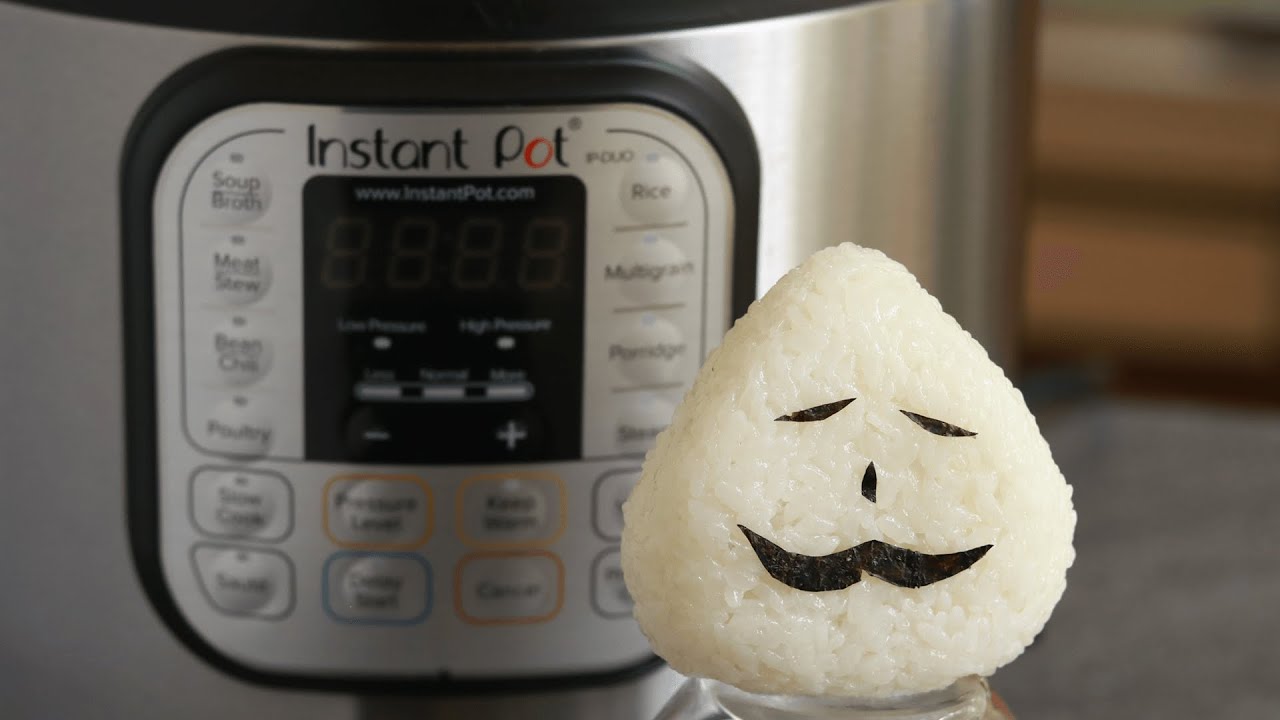
The Instant Potis great for cooking sushi rice. First, plug in the Instant Pot. Then, find the “Rice” settingon the panel. This setting is perfect for sushi rice. Set the timer to 12 minutes. Make sure the lid is closed tight. The pot needs to be sealed well. This helps cook the rice evenly.
Cooking sushi rice requires the right water to rice ratio. Use one cup of rice and one cup of water. This ratio ensures the rice is sticky. Sticky rice is best for sushi. Use a measuring cup for accuracy. Pour the water into the Instant Pot. Add the rice after. Stir gently to mix them.
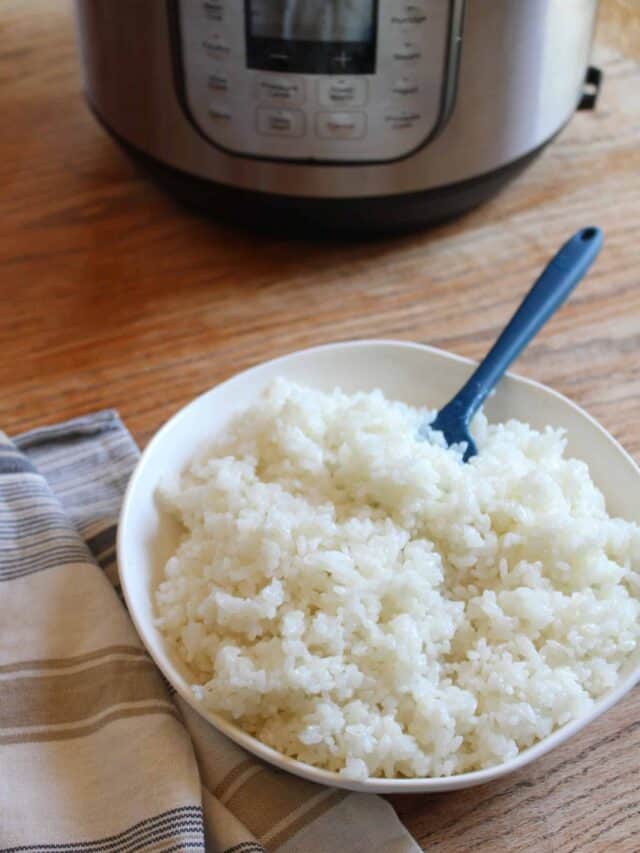
Credit: www.themidwestkitchenblog.com
Cooking Time
Sushi rice needs special care. Instant Pot cooking saves time. Set the timer for 10 minutes. After cooking, let it rest for 10 minutes. This makes the rice soft and sticky. Use the natural release method. It helps the rice stay fluffy. Always rinse the rice before cooking. This removes extra starch. The right time makes perfect sushi rice.
High places need different cooking times. At higher altitude, adjust the time. Add 2 extra minutes. This helps the rice cook well. Water boils slower in high places. This affects the rice texture. Keep an eye on the rice. Use the timer wisely. Check the rice softness before serving. Follow these tips for the best results.
Natural Release Vs. Quick Release
Natural Releaselets pressure drop slowly. This method is gentle. It keeps rice fluffy and moist. Steam stays inside the pot. This helps flavors blend well. Natural release is best for delicate dishes. It prevents overcooking. The rice stays perfect every time.
Use Quick Releasefor fast results. It works well for firm dishes. Quick release saves time. It’s ideal for busy nights. But be careful. Rice can lose moisture quickly. Flavors may not blend as well. Always check the rice after quick release. Adjust cooking time if needed.
Credit: m.youtube.com
Post-cooking Steps
Cooking sushi rice in an Instant Pot takes about 10 minutes on high pressure. After cooking, let it sit for 10 minutes before releasing pressure. Fluff the rice gently with a fork for perfect texture.
Fluffing The Rice
Use a fork to fluff the rice gently. This helps the rice stay light and airy. Be careful not to press down hard. The rice should remain soft and separate. Fluffing lets out extra steam. It also makes the rice cool faster. Let the rice sit for a few minutes. This helps in settling the texture.
Seasoning Tips
Mix rice vinegar, sugar, and salt in a small bowl. This is the seasoning mix. Pour it over the cooked rice. Use a spatula to mix the rice and seasoning. Do this gently, so the rice grains don’t break. Taste to ensure the seasoning is just right. Add more vinegar or sugar if needed. This gives sushi rice its signature flavor. Let the rice cool before making sushi rolls.
Common Mistakes To Avoid
Cooking sushi rice in an Instant Pot requires precise timing. Many people mistakenly cook it too long, leading to mushy rice. Aim for around 5 minutes on high pressure to achieve the perfect texture.
Overcooking Issues
Overcooking sushi rice makes it sticky and mushy. This is a common mistake. The rice should be firm yet sticky. Using a timer helps. Instant Pot cooks fast, so keep a watch. Overcooked rice loses flavor and texture. This can spoil your sushi dish. Always check the rice after cooking. Adjust the time if needed. Remember, a few minutes make a big difference.
Incorrect Ratios
Using incorrect water and rice ratios leads to problems. Too much water makes rice soggy. Too little water leaves it undercooked. A good ratio is essential. Use one cup of rice to one cup of water. This keeps the rice perfect. Measuring cups help ensure accuracy. Always measure carefully for best results. Correct ratios mean perfect sushi rice every time.
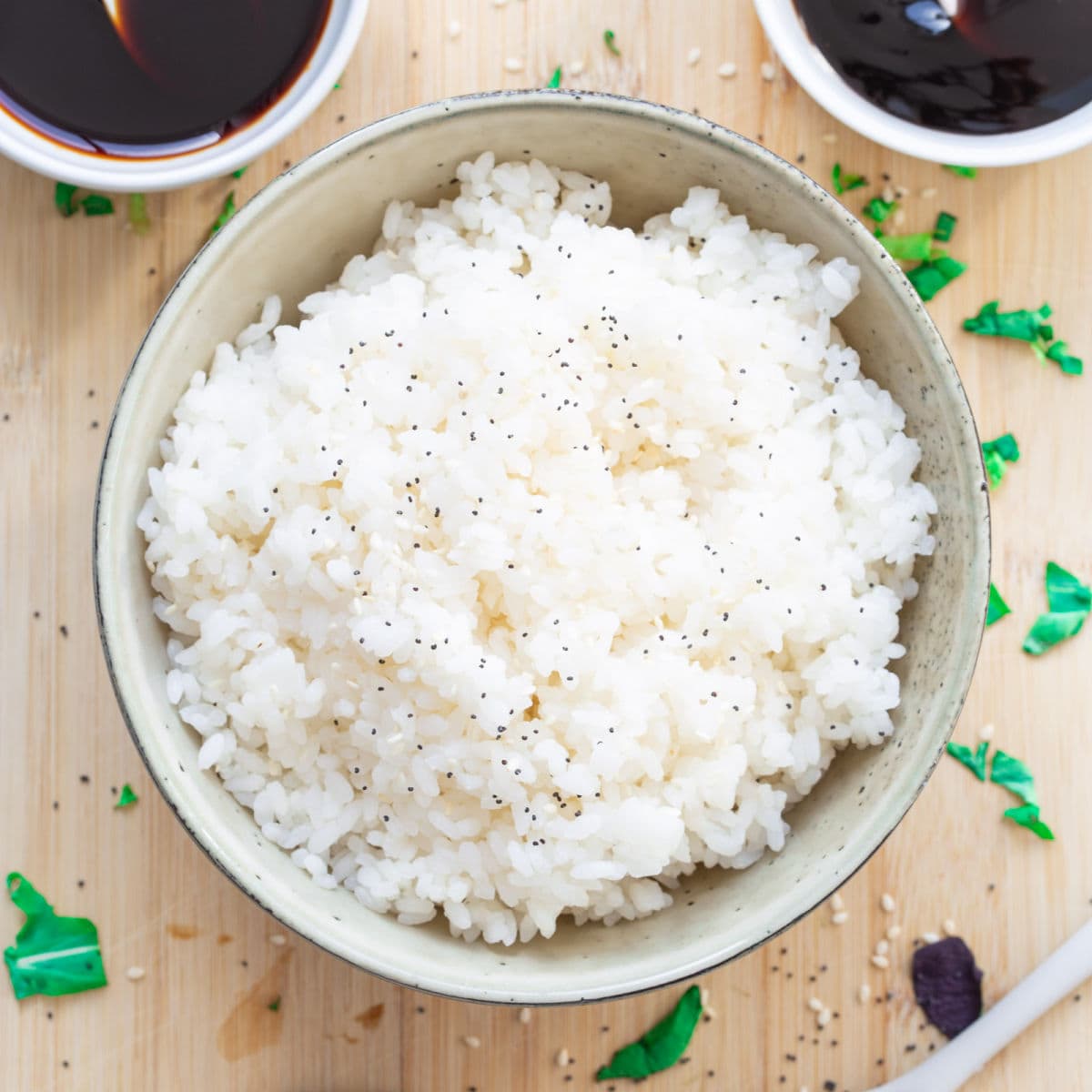
Credit: thebigmansworld.com
Troubleshooting Tips
Cooking sushi rice in an Instant Pot takes around 12 minutes. Use a 1:1 water-to-rice ratio for perfect results. Ensure pressure valve is sealed before starting.
Dealing With Sticky Rice
Sticky rice can be tricky. Rinse the rice before cooking. This removes extra starch. Use a correct water-to-rice ratio. For sushi rice, use 1:1.25 ratio. Do not open the lid too soon. Let the rice sit for 10 minutes after cooking. This helps it become less sticky. If still sticky, try fluffing with a fork. This adds air and separates the grains.
Handling Undercooked Rice
Undercooked rice feels hard. Add some water and cook again. Use the “Keep Warm” setting on the Instant Pot. Let it sit for 5-10 minutes. This helps soften the rice. If the rice is too dry, add a bit more water. Let it steam for a short time. Stir gently to avoid mashing the grains. Check the texture before serving.
Frequently Asked Questions
How Long Should You Cook Rice In An Instant Pot?
Cook white rice in an Instant Pot for 4-6 minutes at high pressure. Use natural release for 10 minutes. For brown rice, cook for 20-22 minutes, then use natural release for 10 minutes. Adjust time for desired texture. Always follow specific rice package instructions for best results.
How Much Water For Sushi Rice In A Pressure Cooker?
Use a 1:1. 1 ratio of rice to water in a pressure cooker for sushi rice. This means 1 cup of sushi rice requires approximately 1. 1 cups of water. Ensure you rinse the rice thoroughly before cooking for the best texture and flavor.
Adjust water slightly based on rice brand if needed.
How Long Does It Take To Cook Sushi Rice In A Rice Cooker?
Cooking sushi rice in a rice cooker typically takes about 20 to 30 minutes. Always follow your rice cooker’s instructions for best results. Once cooked, let the rice sit for 10 minutes before opening the lid to ensure proper texture.
How Many Minutes Should I Cook Sushi Rice?
Cook sushi rice for 18-20 minutes on low heat. Let it steam for 10 minutes afterward for best results.
Conclusion
Cooking sushi rice in an Instant Pot is simple. Just follow the steps. It’s quick, taking around 12 minutes to cook. Perfectly cooked rice is essential for delicious sushi. Ensure you rinse the rice properly before cooking. This removes excess starch.
Use the right water-to-rice ratio. It impacts texture. Let the rice rest after cooking for best results. Now, you can enjoy homemade sushi anytime. Experiment with different toppings. Share your sushi with family and friends. It’s a great way to bond.
Enjoy your sushi-making journey!