

Grilling the perfect steak on your gas grill can feel like a challenge. You want it juicy, tender, and cooked just right—not dry or underdone.
But how long should you really cook your steak to get that mouthwatering result every time? If you’ve ever stood by the grill, unsure whether to flip or wait, this guide is for you. Keep reading, and you’ll discover simple, clear answers that make steak grilling easy and enjoyable.
Your next backyard cookout could be your best one yet!
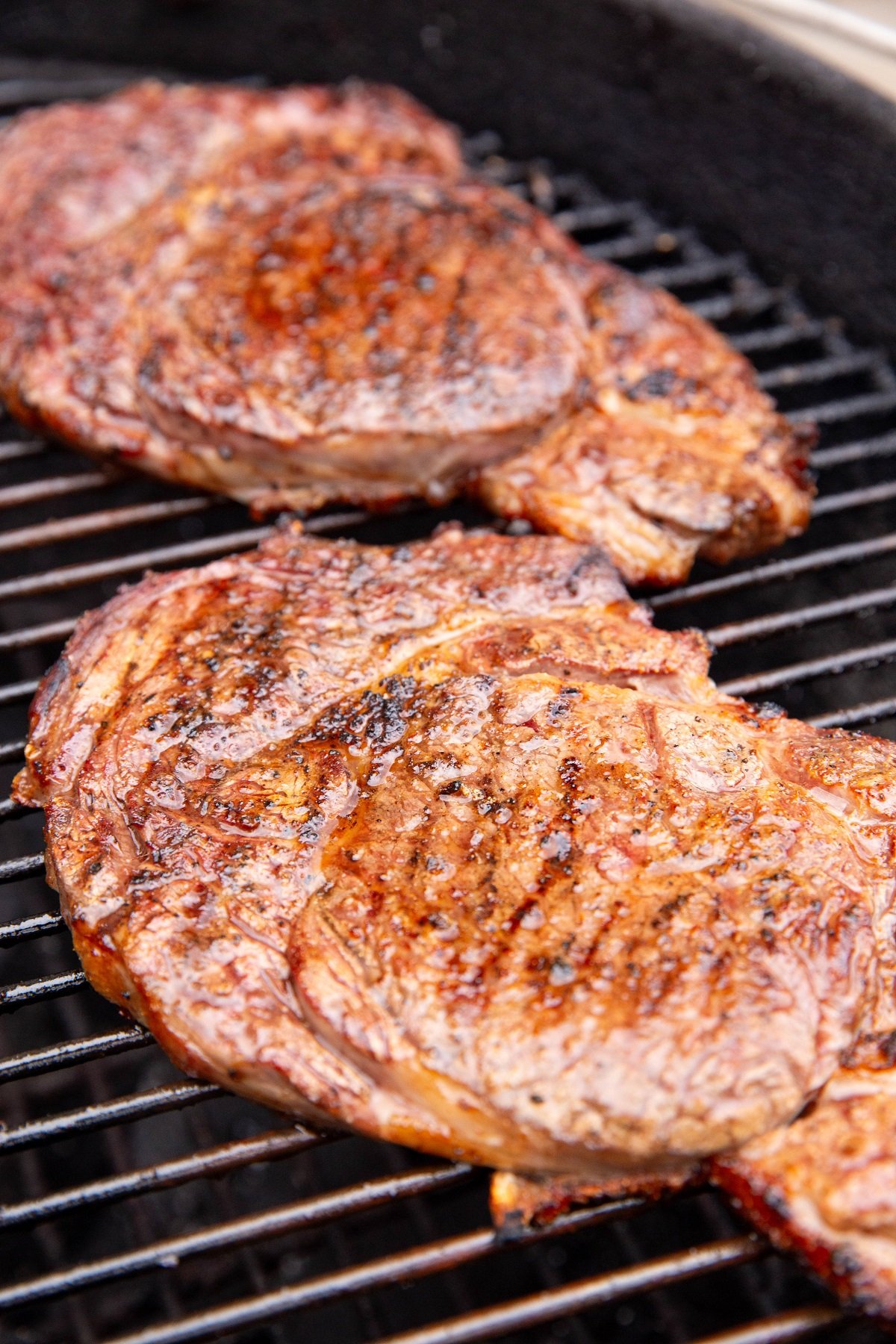
Credit: www.theroastedroot.net
Choosing The Right Steak Cut
Picking the right steak cut is key for grilling success. Different cuts have different flavors and textures.
Some cuts cook faster and stay tender, while others need more time and care.
Popular Cuts For Grilling
Ribeye, sirloin, and filet mignon are great for grilling. Each has its own taste and fat content.
Ribeye has more fat, giving it rich flavor. Sirloin is lean and firm. Filet mignon is very tender.
- Ribeye:Juicy with marbled fat
- Sirloin:Lean and flavorful
- Filet Mignon:Soft and tender
- New York Strip:Firm with good fat
- T-Bone:Combines tender and firm cuts
Thickness And Its Impact On Cooking Time
Steak thickness changes how long you grill it. Thick steaks take more time to cook inside.
Thin steaks cook faster but can dry out quickly. Use a timer and check often for best results.
| Steak Thickness | Approximate Cooking Time per Side (Medium Rare) |
|---|---|
| 1/2 inch | 2-3 minutes |
| 1 inch | 4-5 minutes |
| 1 1/2 inches | 6-7 minutes |
| 2 inches | 8-10 minutes |
Preparing Your Gas Grill
Cooking steak on a gas grill starts with proper preparation. Getting the grill ready ensures even cooking and great flavor.
Two main steps help you prepare your grill: preheating it well and setting temperature zones.
Preheating Tips
Preheating your gas grill is key to cooking steak evenly. Turn on all burners and close the lid for best results.
- Open the lid before lighting the grill.
- Turn all burners to high.
- Close the lid and let the grill heat for 10 to 15 minutes.
- Check that the grill grates are hot before placing the steak.
Setting Temperature Zones
Setting temperature zones on your grill lets you cook steak perfectly. Use different heat areas for searing and finishing.
| Zone | Burner Setting | Use |
|---|---|---|
| Hot Zone | High | Searing the steak |
| Medium Zone | Medium | Cooking through after sear |
| Cool Zone | Low or Off | Keeping steak warm |
Steak Doneness Levels
Cooking steak on a gas grill requires knowing how long to cook it. The doneness level affects the flavor and texture.
Understanding steak doneness helps you achieve the perfect meal every time. The main levels range from rare to well-done.
Rare To Well-done Explained
Steak doneness depends on the internal temperature and cooking time. Each level has a distinct color and feel.
- Rare:Cool red center, soft texture.
- Medium Rare:Warm red center, firmer texture.
- Medium:Pink center, balanced firmness.
- Medium Well:Slight pink center, firm texture.
- Well-Done:No pink, very firm and cooked through.
Internal Temperature Guide
Using a meat thermometer helps check steak doneness. Each level has a safe internal temperature range.
| Doneness Level | Internal Temperature (°F) | Description |
| Rare | 120-125°F | Red center, very juicy |
| Medium Rare | 130-135°F | Warm red center, tender |
| Medium | 140-145°F | Pink center, firm |
| Medium Well | 150-155°F | Slight pink center |
| Well-Done | 160°F and above | No pink, fully cooked |

Credit: www.youtube.com
Cooking Times For Different Steaks
Grilling steak on a gas grill needs careful timing. Different cuts cook at different speeds. Knowing the right time helps you get the steak just right.
This guide covers cooking times for thin, thick, and bone-in steaks. Follow these tips for best results on your gas grill.
Thin Steaks
Thin steaks are usually less than 1 inch thick. They cook quickly and need close attention. Overcooking can dry them out fast.
- Cook thin steaks for 2 to 3 minutes per side for medium-rare.
- Use high heat to sear the outside quickly.
- Flip the steak only once for even cooking.
- Rest the steak for 3 to 5 minutes after grilling.
Thick Steaks
Thick steaks are 1.5 inches or more in thickness. They need longer cooking times. Use a lower heat after searing to cook inside well.
| Steak Thickness | Rare | Medium | Well Done |
| 1.5 inches | 4 min per side | 5-6 min per side | 7-8 min per side |
| 2 inches | 5 min per side | 6-7 min per side | 8-9 min per side |
| 2.5 inches | 6 min per side | 7-8 min per side | 9-10 min per side |
Bone-in Steaks
Bone-in steaks take longer to cook than boneless. The bone holds heat and cooks the meat around it slowly. Use indirect heat for best results.
- Sear the steak over high heat for 3-4 minutes per side.
- Move steak to indirect heat and cook for 10-15 minutes.
- Check internal temperature to avoid overcooking.
- Rest steak for 5-7 minutes before serving.
Techniques For Perfect Grill Marks
Grill marks make steak look great and add flavor. You can get perfect marks with the right grill techniques.
Using a gas grill takes practice to cook steak just right. Focus on heat and timing for the best results.
Searing Tips
Start with high heat to sear your steak. This creates a nice crust and clear grill marks.
Pat the steak dry before placing it on the grill. Moisture stops the meat from browning well.
- Preheat grill to high for 10-15 minutes
- Oil the grill grates or steak lightly
- Place steak at a 45-degree angle to grill lines
- Do not move steak during searing
Flipping Frequency
Flip the steak only once or twice. Too many flips can stop the grill marks from forming.
Wait until the first side develops grill marks before turning. This usually takes 3-5 minutes.
- Check for grill marks before flipping
- Use tongs to flip, not a fork
- Flip steak to the opposite angle for crosshatch marks
- Cook second side for the same time as the first
Resting And Serving
Cooking steak on a gas grill is just part of the process. Resting and serving the steak are just as important. Resting lets the juices settle inside the meat.
Serving the steak properly makes the meal more enjoyable. Both steps help keep the steak juicy and flavorful.
Why Resting Matters
After grilling, let the steak rest for 5 to 10 minutes. This wait time helps the juices spread evenly. Cutting too soon makes the juices spill out. That can dry out your steak.
- Turn off the grill and move the steak to a plate.
- Cover the steak loosely with aluminum foil.
- Wait 5 to 10 minutes before slicing.
- Serve the steak whole or cut against the grain.
Serving Suggestions
Serve steak with sides that balance its rich flavor. Simple sides often work best. You can add sauces for extra taste.
| Side Dish | Description |
| Grilled Vegetables | Light, smoky flavor that complements steak |
| Baked Potatoes | Soft inside and crispy skin for texture contrast |
| Fresh Salad | Refreshing and adds crunch to the meal |
| Steak Sauce | Enhances flavor with tangy or spicy notes |
Common Mistakes To Avoid
Grilling steak on a gas grill can be simple. Still, some mistakes can ruin the taste and texture.
Avoiding these errors helps you cook steak perfectly and enjoy every bite.
Overcooking
Cooking steak too long makes it dry and tough. Many people keep the steak on the grill for too much time.
Use a meat thermometer to check the temperature. Remove the steak a few degrees before your target temperature.
- Rare steak: 120°F to 125°F
- Medium-rare steak: 130°F to 135°F
- Medium steak: 140°F to 145°F
- Well-done steak: 160°F and above
Underseasoning
Steak needs enough salt and pepper to taste good. Some people do not season the meat well before grilling.
Season steak generously on both sides. Let the salt sit for at least 30 minutes before cooking to enhance flavor.
- Use kosher salt or sea salt for better flavor
- Add freshly ground black pepper before grilling
- Optional: Use garlic powder or herbs for extra taste
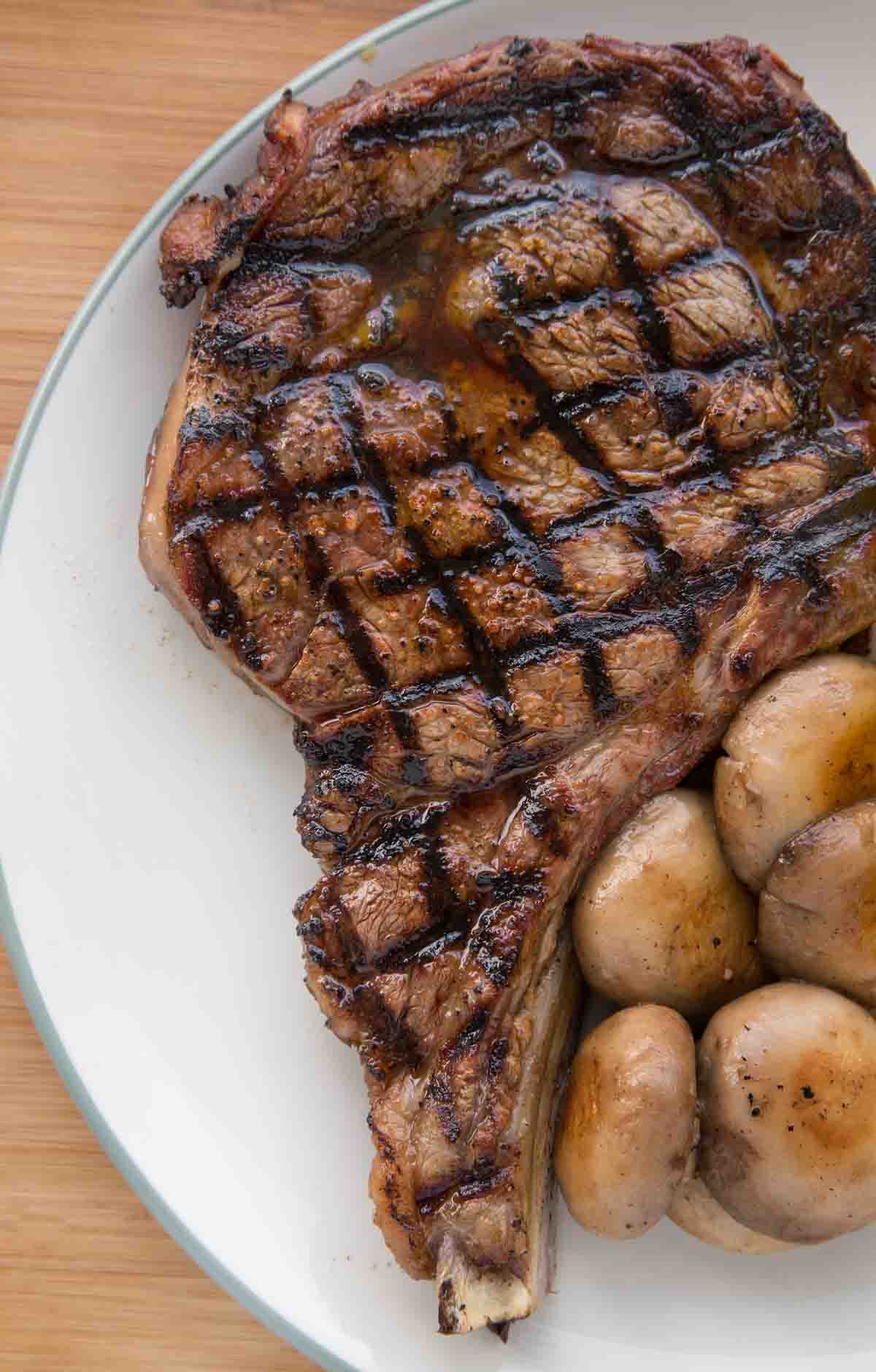
Credit: www.askchefdennis.com
Using A Meat Thermometer
Cooking steak on a gas grill needs careful attention to temperature. A meat thermometer helps you cook steak perfectly.
It tells you the steak’s internal temperature. This way, you avoid overcooking or undercooking.
Types Of Thermometers
There are many thermometers for grilling. Each type has different features and uses.
- Instant-read Thermometer:Gives quick temperature readings. You check the steak then remove the probe.
- Probe Thermometer:Stays inside the steak while cooking. It often shows temperature on a digital screen outside the grill.
- Dial Thermometer:Has a needle dial. It is slower but does not need batteries.
- Infrared Thermometer:Measures surface temperature without touching the meat. Not ideal for internal steak temperature.
How To Check Temperature Accurately
To get a correct temperature reading, insert the thermometer probe in the right spot. Avoid bone or fat for accuracy.
| Steak Doneness | Internal Temperature (°F) |
|---|---|
| Rare | 120-125 |
| Medium Rare | 130-135 |
| Medium | 140-145 |
| Medium Well | 150-155 |
| Well Done | 160+ |
Insert the thermometer probe into the thickest part of the steak. Keep it away from bones or fat. Wait a few seconds for the reading to stabilize.
Check the temperature several times during cooking. Remove the steak from the grill once it reaches the target temperature for your preferred doneness.
Frequently Asked Questions
How Long To Grill A Steak On A Gas Grill?
Grill steak for 4-6 minutes per side for medium-rare. Adjust time based on thickness and desired doneness. Use a meat thermometer for accuracy.
What Temperature Is Best For Cooking Steak On Gas Grill?
Preheat gas grill to high heat, around 450-500°F. High heat sears the steak, locking in juices and flavor.
How To Check Steak Doneness On A Gas Grill?
Use a meat thermometer: 130°F for medium-rare, 140°F for medium. Alternatively, use the finger test for firmness.
Should Steak Rest After Cooking On A Gas Grill?
Yes, let steak rest 5-10 minutes after grilling. Resting redistributes juices, making steak tender and flavorful.
Conclusion
Cooking steak on a gas grill takes attention to time and heat. Different steak cuts need different cooking times. Use a meat thermometer for best results. Rest the steak a few minutes before serving. This helps juices spread evenly inside.
Enjoy the process and adjust times to your taste. Perfect grilled steak is just a few steps away. Keep practicing, and your grilling skills will improve fast.