
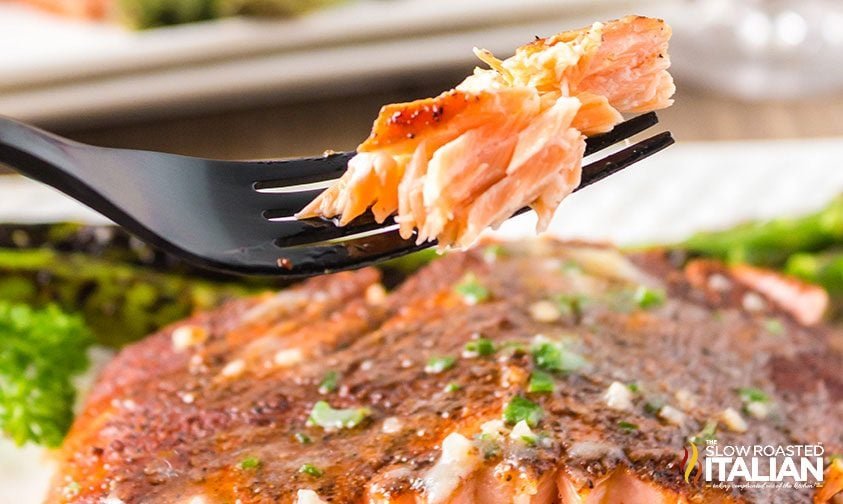
If you love grilling salmon but aren’t sure how long to cook it on a pellet grill, you’re not alone. Getting the timing just right can make the difference between juicy, flavorful fish and a dry, overcooked meal.
You want your salmon to be tender, smoky, and perfectly cooked every time. You’ll discover the exact cooking times and tips to master salmon on your pellet grill. Keep reading, and you’ll soon impress everyone with your grilling skills.
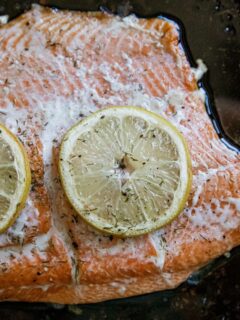
Credit: www.orwhateveryoudo.com
Choosing The Right Salmon Cut
Choosing the right salmon cut is important for cooking on a pellet grill. The cut affects cooking time and flavor.
Different cuts cook differently and need different handling. Knowing the difference helps you get the best result.
Fillets Vs Steaks
Salmon fillets are thin and boneless pieces cut from the side of the fish. They cook faster and more evenly.
Steaks are thick cross-sections cut from the whole fish. They have bones and need more cooking time.
- Fillets cook quickly and are easy to handle on the grill.
- Steaks hold together well and stay juicy during cooking.
- Fillets are better for delicate cooking and fast meals.
- Steaks work well for longer grilling and smoky flavor.
Fresh Vs Frozen Salmon
Fresh salmon has a bright color and firm texture. It cooks evenly and tastes rich.
Frozen salmon is easy to store and often available year-round. It should be thawed slowly before cooking.
- Fresh salmon cooks faster and has better texture.
- Frozen salmon needs careful thawing to avoid uneven cooking.
- Both types work well on a pellet grill with proper prep.
Preparing Salmon For The Grill
Grilling salmon on a pellet grill is a tasty and healthy way to cook fish. Before you start cooking, it is important to prepare the salmon properly. This helps bring out the best flavors and keeps the fish moist.
Proper preparation also protects the salmon from sticking to the grill. The following tips will guide you through seasoning, marinating, and deciding whether to cook with skin on or off.
Seasoning Tips
Simple seasoning is often best for salmon. Salt and pepper enhance the natural flavor of the fish. You can add herbs and spices to make it more interesting.
Apply seasoning evenly on all sides. Let the salmon sit for a few minutes after seasoning. This helps the flavors soak in before grilling.
- Use kosher salt or sea salt for better flavor
- Add black pepper for a mild kick
- Try dill, garlic powder, or paprika for variety
- Pat the salmon dry before seasoning to help it stick
Marinating Options
Marinating salmon adds moisture and extra taste. Use a simple marinade with oil, acid, and herbs. Keep the marinating time short to avoid changing the fish’s texture.
Place the salmon in the marinade and refrigerate for 15 to 30 minutes. Too long can make the fish mushy. Remove the salmon and pat it dry before grilling.
- Use olive oil or avocado oil as the base
- Add lemon juice, lime juice, or vinegar for acidity
- Include fresh herbs like parsley or thyme
- Try a bit of soy sauce or honey for sweetness
Skin On Or Off
Cooking salmon with skin on helps hold the fish together on the grill. The skin also creates a barrier to protect the flesh from direct heat. It crisps nicely and adds flavor.
If you prefer skinless salmon, be careful when flipping. Use a well-oiled grill and a wide spatula. Skinless fillets cook faster and may need extra attention to avoid breaking.
- Skin on: better for grilling and flavor
- Skin off: cooks quicker but needs gentle handling
- Score the skin slightly to prevent curling
- Oil the skin side before placing on the grill
Setting Up Your Pellet Grill
Cooking salmon on a pellet grill needs proper setup. Setting the grill right helps cook the fish evenly.
This guide covers the ideal temperature, preheating steps, and using wood pellets for the best flavor.
Ideal Temperature Range
Keep your pellet grill temperature between 225°F and 275°F for salmon. This range cooks the fish gently without drying it out.
| Temperature (°F) | Cooking Effect |
| 225 | Slow cook, tender and juicy |
| 250 | Balanced cooking, good texture |
| 275 | Faster cook, firmer texture |
Preheating The Grill
Preheating helps your grill reach the right cooking temperature before adding the salmon. It ensures even heat distribution.
- Fill the hopper with your chosen wood pellets.
- Turn the grill on and set it to the desired temperature.
- Close the lid and let it heat up for 10-15 minutes.
- Check the grill temperature with a built-in or separate thermometer.
- When the grill reaches the set temperature, place the salmon inside.
Using Wood Pellets For Flavor
Wood pellets add flavor to your salmon. Different types create different tastes.
- Alder pellets give a light and sweet flavor.
- Hickory pellets add a stronger, smoky taste.
- Maple pellets provide a mild and slightly sweet smoke.
- Cherry pellets offer a fruity and rich aroma.
Cooking Times For Different Thicknesses
Salmon cooks at different speeds based on its thickness. Knowing the right time helps you avoid overcooking or undercooking.
Using a pellet grill adds a smoky flavor and cooks salmon evenly. Below are guides for thin fillets, thick fillets and steaks, and whole sides.
Thin Fillets
Thin fillets are usually less than 1 inch thick. They cook quickly and need careful attention to avoid drying out.
- Preheat the pellet grill to 350°F (175°C).
- Place the thin fillets skin-side down on the grill.
- Cook for 6 to 8 minutes.
- Flip only if you want grill marks, but it is not necessary.
- Check for an internal temperature of 125°F (52°C) for medium doneness.
Thick Fillets And Steaks
Thick fillets and steaks are about 1 to 2 inches thick. They require a longer cook time for even heat inside.
| Thickness | Cooking Time at 350°F (175°C) | Internal Temperature |
|---|---|---|
| 1 inch | 10 to 12 minutes | 125°F (52°C) |
| 1.5 inches | 13 to 15 minutes | 125°F (52°C) |
| 2 inches | 16 to 18 minutes | 125°F (52°C) |
Whole Side Cooking
Cooking a whole side of salmon takes the longest time. Use indirect heat on your pellet grill for best results.
Follow these tips for a whole side:
- Preheat the grill to 275°F (135°C).
- Place the salmon skin-side down on a foil-lined tray or grill mat.
- Cook for 30 to 45 minutes depending on thickness.
- Check the thickest part for 125°F (52°C) internal temperature.
- Let rest for 5 minutes before serving.
Checking Salmon Doneness
Cooking salmon on a pellet grill gives it a nice smoky flavor. Knowing when it is done is important for great taste and safety.
You can check salmon doneness by using a thermometer or by looking at its texture and color.
Internal Temperature Guide
The best way to know if salmon is done is by checking its internal temperature. This helps avoid undercooking or overcooking.
- Salmon is safe to eat at 145°F (63°C).
- For medium doneness, cook to 125°F (52°C).
- Use a digital meat thermometer for accuracy.
- Insert the thermometer into the thickest part of the salmon.
Visual And Texture Cues
Besides temperature, you can check salmon doneness by looking at its color and feel. This works well if you do not have a thermometer.
Cooked salmon changes in color and texture as it cooks through.
- The outside turns a light pink and slightly opaque.
- The inside is still a bit translucent for medium doneness.
- Salmon flakes easily with a fork when done.
- If it feels firm but still moist, it is cooked well.

Credit: www.youtube.com
Tips For Perfectly Cooked Salmon
Cooking salmon on a pellet grill gives it a rich smoky flavor. You want it tender, moist, and cooked just right.
Follow simple tips to avoid overcooking and make your salmon delicious every time.
Avoiding Overcooking
Overcooked salmon becomes dry and loses flavor. Keep an eye on the cooking time and temperature.
Cook salmon at 225°F to 250°F for about 45 minutes to 1 hour. Check the fish often after 40 minutes.
- Use low and slow heat for even cooking
- Do not leave salmon on the grill too long
- Watch for the fish to flake easily with a fork
Resting The Fish
Let salmon rest after grilling to keep it juicy. Resting allows the juices to spread inside the fish.
Remove salmon from the grill and cover it loosely with foil. Rest for 5 to 10 minutes before serving.
- Rest keeps the salmon moist
- Resting improves texture and flavor
- Do not skip this step for best results
Using A Meat Thermometer
A meat thermometer helps you cook salmon perfectly every time. It shows when the fish is done.
Insert the thermometer into the thickest part of the salmon. Look for an internal temperature of 145°F.
- Check temperature to avoid under or overcooking
- 145°F means the salmon is safe and moist
- Use an instant-read thermometer for quick checks
Serving Suggestions
Salmon cooked on a pellet grill has a rich, smoky flavor. Choosing the right sides and sauces can enhance your meal. This guide offers ideas for side dishes and toppings to serve with grilled salmon.
These suggestions help balance the salmon’s taste and create a complete, tasty plate. Try different combinations to find your favorite.
Complementary Side Dishes
Side dishes add texture and flavor contrast to your salmon. Pick fresh, simple options that do not overpower the fish.
- Grilled asparagus with lemon zest
- Roasted baby potatoes with rosemary
- Steamed green beans with garlic
- Quinoa salad with cucumber and tomato
- Mixed greens with a light vinaigrette
Sauces And Toppings
Sauces and toppings add moisture and flavor layers to grilled salmon. Choose from creamy, tangy, or fresh options to suit your taste.
| Sauce/Topping | Description |
|---|---|
| Dill yogurt sauce | Creamy with fresh herbs and a tangy bite |
| Mango salsa | Sweet and spicy with diced mango and chili |
| Lemon butter sauce | Rich and zesty with melted butter and lemon juice |
| Avocado slices | Fresh and creamy texture to balance smoky flavor |
| Pesto drizzle | Herby and nutty for an earthy touch |

Credit: www.simplymeatsmoking.com
Frequently Asked Questions
How Long Does Salmon Take On A Pellet Grill?
Salmon typically takes about 30 minutes to cook on a pellet grill. The temperature should be set at 350°F for optimal results. Always check that the internal temperature of the salmon reaches 145°F to ensure it’s fully cooked.
What Temperature Should The Pellet Grill Be For Salmon?
Set your pellet grill to 350°F for cooking salmon. This temperature ensures the fish cooks evenly while retaining moisture. Always monitor the internal temperature of the salmon to reach 145°F for safe consumption.
Should Salmon Be Grilled With Skin On Or Off?
Grilling salmon with the skin on is recommended. It helps retain moisture and adds flavor. The skin acts as a barrier, preventing the salmon from sticking to the grill. After cooking, you can easily remove the skin if desired.
Is It Necessary To Preheat The Pellet Grill?
Yes, preheating the pellet grill is essential. Preheat it for about 15 minutes at your desired cooking temperature. This ensures even cooking and enhances the flavor of the salmon. Proper preheating helps achieve a perfect smoky taste.
Conclusion
Cooking salmon on a pellet grill takes patience and care. Aim for 20 to 30 minutes at 225°F for tender, juicy fish. Check the internal temperature; 145°F means it’s done. Avoid overcooking to keep salmon moist and flavorful. Use a meat thermometer for best results.
Let the salmon rest a few minutes before serving. Enjoy the smoky taste and simple cooking process. Perfect salmon is within your reach with these easy steps. Keep practicing, and your grilling skills will improve quickly.