
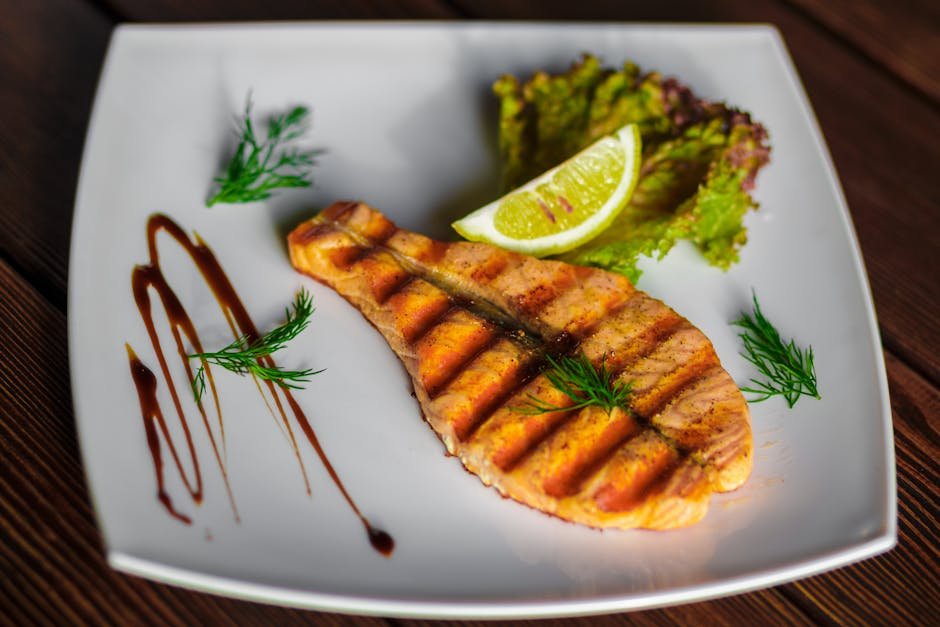
Are you ready to enjoy perfectly cooked salmon on your electric grill but unsure how long it should stay on the heat? Getting the timing just right can make all the difference between a juicy, flavorful meal and a dry, overcooked disappointment.
You’ll discover the exact cooking times you need, along with easy tips to make your salmon tender and delicious every single time. Keep reading, and you’ll never second-guess your grill again!
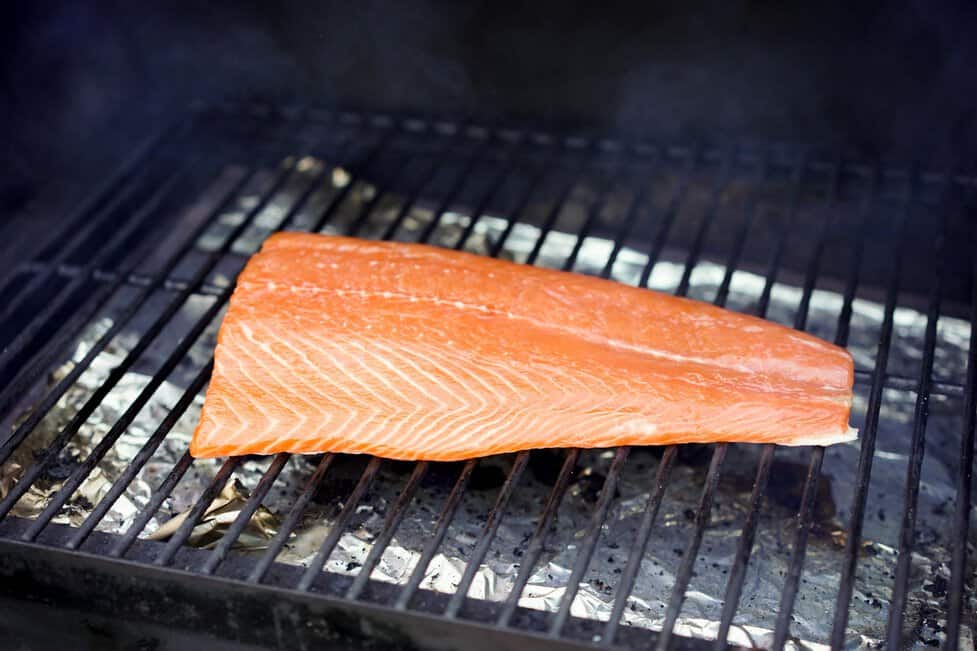
Credit: www.hungryhuy.com
Choosing The Right Salmon Cut
Choosing the right salmon cut affects cooking time on an electric grill. Different cuts cook at different speeds.
Understanding the cut helps you grill salmon perfectly every time. It also improves taste and texture.
Fillets Vs Steaks
Salmon fillets are slices cut from the side of the fish. They are flat and usually skin-on or skinless.
Steaks are cross-sections cut straight through the fish. They have a bone in the middle and are thicker.
- Fillets cook faster because they are thinner and smaller.
- Steaks take longer due to thickness and bone presence.
- Fillets are easier to flip on the grill.
- Steaks hold moisture well and stay juicy.
Thickness And Size Considerations
Thicker salmon pieces need more cooking time to reach the center. Thin pieces cook quickly and can dry out.
Size also matters. Large cuts take longer, small cuts cook fast. Adjust grilling time based on thickness and size.
- 1-inch thick salmon cooks in about 8-10 minutes.
- Thicker cuts may need 12-15 minutes.
- Smaller pieces can cook in 5-7 minutes.
- Use a thermometer to check for 145°F inside.

Credit: iowagirleats.com
Preparing Salmon For Grilling
Cooking salmon on an electric grill is simple and tasty. Proper preparation helps keep the fish moist and flavorful.
Before grilling, you need to season the salmon and prepare the grill for best results. This guide covers important steps for both.
Seasoning And Marinades
Seasoning adds flavor to salmon without overpowering its natural taste. Marinades can tenderize and add moisture for juicier fish.
- Use salt and pepper for a simple, classic taste.
- Try lemon juice or vinegar for a fresh, tangy flavor.
- Add herbs like dill, parsley, or thyme to enhance aroma.
- Use olive oil to keep the fish from sticking to the grill.
- Marinate salmon for 15 to 30 minutes before cooking, not longer.
Preheating The Electric Grill
Preheating the grill ensures even cooking and prevents the fish from sticking. Set the temperature properly before placing salmon on the grill.
| Grill Temperature | Recommended Setting |
| Low Heat | 250°F – 275°F (120°C – 135°C) |
| Medium Heat | 300°F – 350°F (150°C – 175°C) |
| High Heat | 400°F – 450°F (200°C – 230°C) |
For salmon, medium heat works best. Preheat for at least 10 minutes before grilling.
Cooking Times Based On Thickness
Cooking salmon on an electric grill depends on its thickness. Thinner pieces cook faster than thicker ones. Knowing the right time helps keep salmon juicy and tender.
This guide explains how long to cook thin fillets and thick fillets or steaks. Use these times to get perfect results every time.
Thin Fillets
Thin salmon fillets are usually less than 1 inch thick. They cook quickly and need careful attention to avoid drying out.
- Preheat the electric grill to medium heat.
- Cook each side for about 3 to 4 minutes.
- Check for an internal temperature of 125°F (52°C).
- Remove from grill as soon as salmon flakes easily with a fork.
Thick Fillets And Steaks
Thick salmon fillets and steaks are 1 inch or thicker. They take longer to cook but stay moist if timed right.
| Thickness | Cooking Time per Side | Internal Temperature |
|---|---|---|
| 1 to 1.5 inches | 5 to 6 minutes | 125°F (52°C) |
| 1.5 to 2 inches | 6 to 8 minutes | 125°F (52°C) |
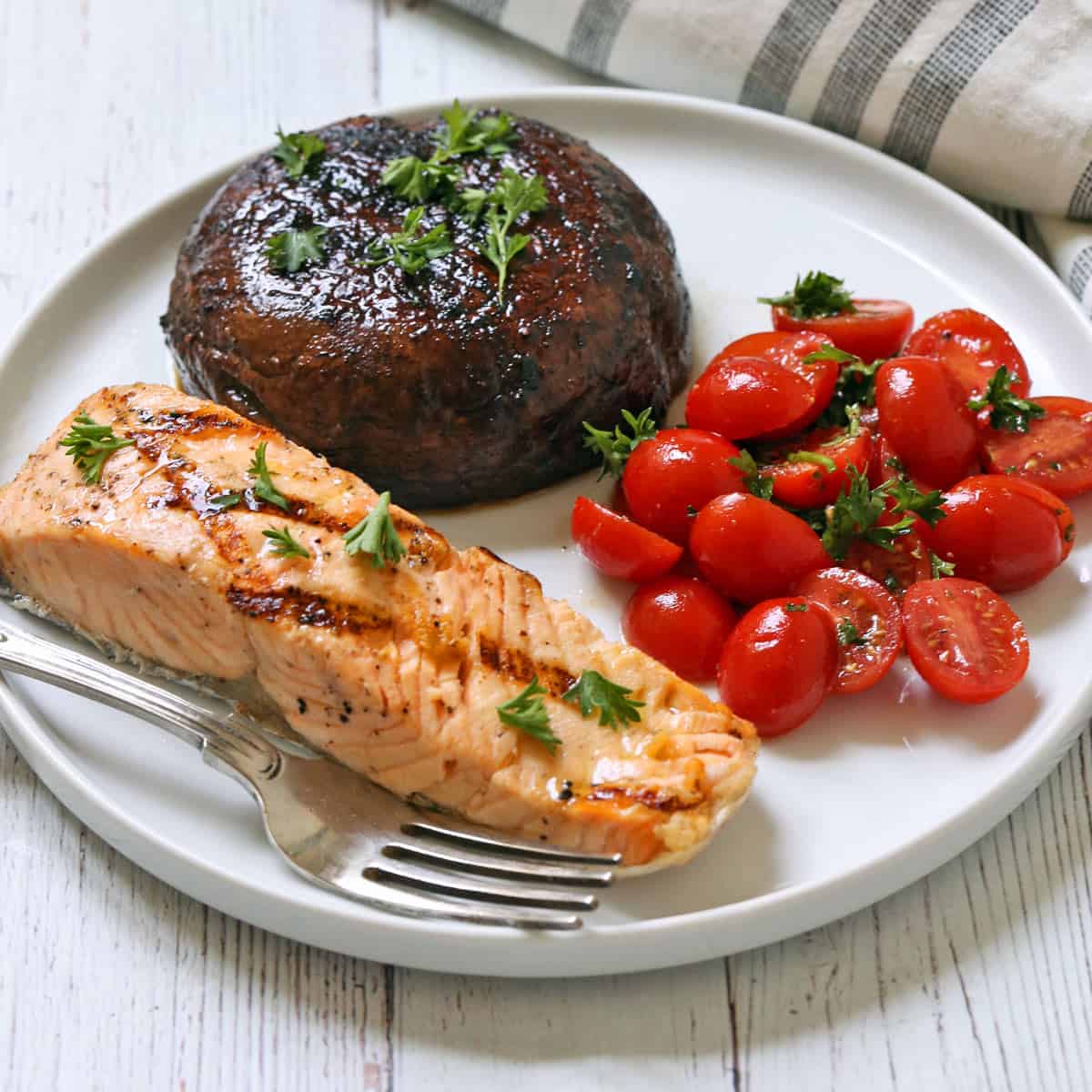
Credit: healthyrecipesblogs.com
Using Temperature To Judge Doneness
Cooking salmon on an electric grill needs care to get it just right. Using temperature helps you know when the fish is done. This way, you avoid overcooking or undercooking it.
Checking the temperature inside the salmon is the best way to judge doneness. Let’s look at ideal temperatures and the tools you need for this.
Ideal Internal Temperature
The perfect salmon is cooked to the right internal temperature. This makes it safe and tasty. The temperature you want depends on how you like your salmon.
- 120°F (49°C): Rare and very moist
- 125°F (52°C): Medium-rare, slightly flaky
- 130°F (54°C): Medium, fully cooked but juicy
- 145°F (63°C): Well done, firm texture (USDA safe)
Tools For Measuring Temperature
Using the right tool helps you check the salmon’s temperature easily. Here are some common tools used for measuring the doneness of salmon on an electric grill.
| Tool | Description | Advantages |
| Instant-read thermometer | Quickly reads temperature when inserted | Fast, accurate, easy to use |
| Digital probe thermometer | Stays in food during cooking | Monitors temperature without opening grill |
| Infrared thermometer | Measures surface temperature without contact | Good for grill surface, not inside fish |
Grilling Tips For Even Cooking
Cooking salmon on an electric grill needs care to get the best taste. Even heat helps the fish cook well without drying out.
Follow simple tips for grilling salmon evenly and enjoying a juicy result every time.
Avoiding Overcooking
Overcooked salmon becomes dry and loses flavor. Watch the cooking time closely to keep it moist and tender.
- Preheat the electric grill for about 10 minutes before cooking.
- Cook salmon for about 4-6 minutes per side, depending on thickness.
- Check for doneness by gently pressing the fish; it should flake easily.
- Use a food thermometer; salmon is done at 145°F (63°C).
- Remove salmon from the grill immediately once cooked to avoid carryover heat.
Flipping Techniques
Flipping salmon at the right time helps it cook evenly and keeps the skin from sticking to the grill.
| Flipping Tips | Details |
|---|---|
| Wait Before Flipping | Let salmon cook undisturbed for 4-6 minutes first. |
| Use a Wide Spatula | Supports the fish fully to prevent breakage. |
| Flip Gently | Turn slowly to keep the salmon intact. |
| Flip Once | Flipping only once reduces chances of sticking. |
Resting And Serving Salmon
After cooking salmon on an electric grill, resting it is key. Resting helps keep the salmon juicy and tender. It also lets the heat finish cooking the fish evenly.
Serving salmon the right way can enhance its flavor. Simple sides and garnishes bring out the best taste in your grilled salmon.
Why Resting Matters
Resting salmon lets the juices settle inside. If you cut it too soon, the juices will run out. This makes the salmon dry and less tasty.
- Rest salmon for 5 minutes after grilling
- Cover loosely with foil to keep warm
- Allow the heat to spread evenly through the fish
Serving Suggestions
| Side Dish | Flavor Pairing |
| Steamed Asparagus | Fresh and light |
| Roasted Potatoes | Earthy and crispy |
| Mixed Green Salad | Refreshing and crisp |
| Lemon Wedges | Adds bright citrus notes |
| Dill Sauce | Herby and creamy |
Troubleshooting Common Issues
Cooking salmon on an electric grill can be quick and tasty. Some common problems may occur. Knowing how to fix them helps you get perfect salmon every time.
This guide covers issues like sticking to the grill and uneven cooking. Follow these tips to improve your grilling experience.
Sticking To The Grill
Salmon often sticks to the grill surface. This can tear the fish and make cleanup hard. Here are ways to prevent sticking and keep your salmon intact.
- Preheat the grill well before placing the salmon.
- Oil the grill grates or brush the salmon with oil.
- Do not move the salmon too early; wait until it naturally releases.
- Use a fish spatula to gently lift the salmon.
- Keep the skin on to help hold the fish together.
Uneven Cooking
Uneven cooking can leave some parts raw while others are overdone. This happens due to heat spots or incorrect grill settings.
| Cause | Solution |
| Hot spots on the grill | Move salmon frequently to balance heat exposure |
| Grill temperature too high | Lower the heat to cook salmon evenly |
| Salmon pieces vary in thickness | Choose uniform thickness or adjust cooking time |
| Closed lid traps heat unevenly | Open lid occasionally for better heat control |
Frequently Asked Questions
How Long To Cook Salmon On An Electric Grill?
Cooking salmon on an electric grill typically takes 6 to 8 minutes. Ensure the grill is preheated to medium-high. For perfectly cooked salmon, the internal temperature should reach 145°F. Always consider the thickness of the fillet, as it may require more or less time.
What Temperature Should Electric Grill Be For Salmon?
Set your electric grill to medium-high heat, around 375°F to 400°F. This temperature ensures even cooking without drying out the salmon. Preheating the grill is essential for achieving a nice sear. Adjust the temperature based on the thickness of the salmon fillet.
How Do You Know When Salmon Is Done?
Salmon is done when it easily flakes with a fork. Its color should be opaque, with a slightly translucent center. An internal temperature of 145°F confirms it’s fully cooked. Overcooking can lead to dryness, so monitor closely and remove promptly.
Do You Need To Flip Salmon On The Grill?
Yes, flipping salmon once ensures even cooking. Start by grilling skin-side down for 3 to 4 minutes. Then, flip and cook for another 3 to 4 minutes. This method helps achieve a crispy skin and tender flesh. Use a spatula to prevent breaking the fillet.
Conclusion
Cooking salmon on an electric grill takes just minutes. Aim for 4 to 6 minutes per side, depending on thickness. Salmon cooks best when it flakes easily with a fork. Keep the grill temperature medium to avoid burning. Rest the fish a few minutes before serving.
This helps juices spread evenly inside. Perfectly grilled salmon tastes fresh and tender every time. Try to watch the fish closely while cooking. Enjoy your healthy and tasty meal right at home. Simple steps lead to great results.