
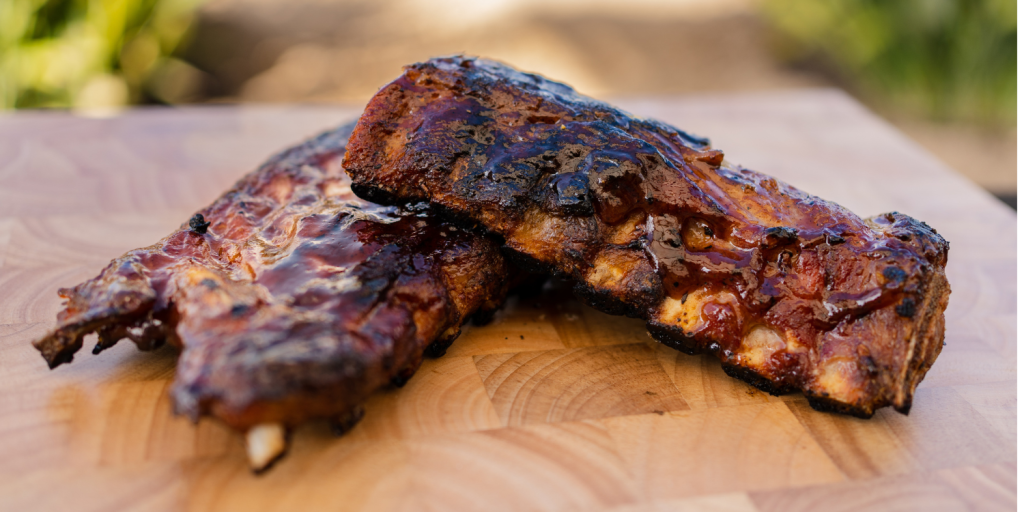
If you love juicy, tender ribs with that perfect smoky flavor, knowing how long to cook ribs on a gas grill is key. Too short, and your ribs will be tough and chewy.
Too long, and they might dry out or burn. You want that fall-off-the-bone texture that makes every bite a delight. You’ll discover the ideal cooking times and tips to get your ribs just right every time. Keep reading, and soon you’ll be the grill master your friends and family can’t stop raving about.

Credit: www.reddit.com
Choosing The Right Ribs
Picking the right ribs is key to cooking great ribs on a gas grill. Different ribs have different textures and flavors. Knowing these differences helps you cook them properly.
This guide explains the main types of ribs and how to choose between fresh and pre-packaged options for the best grilling experience.
Baby Back Vs Spare Ribs
Baby back ribs come from the upper part of the rib cage near the spine. They are smaller, leaner, and cook faster. Spare ribs come from the lower part and have more fat and meat. They take longer to cook but are very flavorful.
| Rib Type | Location | Size | Cooking Time | Flavor |
| Baby Back Ribs | Upper rib cage | Smaller | Shorter | Mild and tender |
| Spare Ribs | Lower rib cage | Larger | Longer | Rich and fatty |
Fresh Or Pre-packaged Options
You can buy ribs fresh from a butcher or packaged from a store. Fresh ribs usually taste better but may cost more. Pre-packaged ribs are convenient but check the label for additives or preservatives.
- Fresh ribs have a bright color and firm texture
- Pre-packaged ribs are easy to store and handle
- Look for ribs with minimal liquid in the package
- Check for a sell-by date to ensure freshness
- Trim excess fat if needed before grilling
Preparing Ribs For Grilling
Cooking ribs on a gas grill takes some prep work. Getting the ribs ready helps them cook evenly and taste great.
This guide covers two key steps before grilling: removing the membrane and applying rubs or marinades.
Removing The Membrane
The membrane is a thin layer on the back of ribs. It can make ribs tough if left on.
To remove it, slide a knife under the membrane and lift it. Use a paper towel to grip and pull it off.
- Place ribs bone-side up
- Loosen membrane edge with a knife
- Grab membrane with a paper towel
- Pull membrane off slowly
- Remove any leftover bits
Applying Rubs And Marinades
Rubs and marinades add flavor and help keep ribs moist. Apply them before grilling.
Use a dry rub or a wet marinade. Cover all sides evenly for the best taste.
- Pat ribs dry with paper towels
- Apply dry rub evenly on all sides
- Or soak ribs in marinade for 2-4 hours
- Let ribs rest with rub or marinade before grilling
Setting Up The Gas Grill
Cooking ribs on a gas grill needs the right setup. Proper heat control helps ribs cook evenly and stay juicy.
Understanding heat zones and temperature range makes your grilling easier. Let’s look at how to prepare your grill.
Direct Vs Indirect Heat
Direct heat means placing ribs right over the flame. This cooks ribs fast but can burn the outside before the inside cooks.
Indirect heat means putting ribs away from the flame. This cooks ribs slowly and keeps them tender.
- Turn on one side of the gas burners only.
- Place ribs on the side without flame.
- Close the lid to keep heat inside.
- Use indirect heat for slow cooking and better flavor.
Ideal Temperature Range
Keep the grill temperature steady for perfect ribs. Too hot and ribs dry out. Too cool and ribs take too long to cook.
| Temperature | Cooking Style | Effect on Ribs |
| 225°F – 250°F | Low and Slow | Ribs become tender and juicy |
| 250°F – 300°F | Moderate Heat | Balanced cooking and good bark |
| Above 300°F | High Heat | Risk of burning outside, raw inside |
Cooking Times For Tender Ribs
Cooking ribs on a gas grill needs time and patience. The goal is to make ribs tender and juicy. Cooking too fast will dry them out.
Using low heat and indirect grilling helps ribs cook evenly. This guide shows the best cooking times for tender ribs.
Baby Back Ribs Timing
Baby back ribs are smaller and leaner than spare ribs. They cook faster and stay tender if grilled right. Use indirect heat at about 275°F.
Cook baby back ribs for 1.5 to 2 hours. Check tenderness by poking with a fork or toothpick. The meat should feel soft and pull away easily.
- Preheat grill to 275°F (135°C)
- Place ribs bone-side down on indirect heat
- Cook for 90 to 120 minutes
- Wrap in foil if needed for extra tenderness
- Finish with sauce during last 10 minutes if desired
Spare Ribs Timing
Spare ribs are larger and have more fat. They take longer to cook but become very tender. Grill them low and slow at 275°F.
Cook spare ribs for 2.5 to 3 hours. Test tenderness by bending the ribs. They should bend easily and the meat should start to pull away from the bone.
- Heat grill to 275°F (135°C)
- Place ribs on indirect heat, bone-side down
- Cook for 150 to 180 minutes
- Wrap in foil halfway to keep moisture
- Add sauce in final 15 minutes if you like
Checking Ribs For Doneness
Cooking ribs on a gas grill takes time and care. Checking if ribs are done is important for taste and safety.
There are different ways to check ribs. Visual signs, a meat thermometer, and the bend test help you know when ribs are ready.
Visual Signs
Look for these signs to see if ribs are cooked well:
- The meat pulls back from the bones by about ¼ inch.
- The ribs have a nice brown color with a slight char.
- The surface feels firm but not dry to touch.
- Juices run clear when you press the ribs lightly.
Using A Meat Thermometer
A meat thermometer gives a precise way to check doneness. Insert it into the thickest part of the ribs, avoiding bones.
| Type of Ribs | Safe Internal Temperature |
| Pork Ribs | 190°F to 203°F (88°C to 95°C) |
| Beef Ribs | 203°F (95°C) or higher |
Temperatures in this range break down connective tissue for tender ribs.
Bend Test Method
The bend test shows rib tenderness without tools. Hold the ribs with tongs and lift them in the middle.
- If the ribs bend easily and the meat starts to crack, they are done.
- If the ribs feel stiff and do not bend much, they need more cooking.
- This method works best with experience and careful handling.
Enhancing Flavor During Cooking
Cooking ribs on a gas grill can bring out rich flavors. Using special techniques improves taste. Simple steps make ribs juicy and tasty.
Adding smoke and using sauces during cooking adds layers of flavor. These tricks help you enjoy ribs with a smoky and savory touch.
Adding Smoke With Wood Chips
Wood chips add a smoky aroma to ribs. Soak the chips in water for 30 minutes before grilling. Place them in a smoker box or wrap in foil with holes.
- Use mild wood like apple or cherry for a light smoke.
- Hickory or mesquite gives a stronger smoky flavor.
- Keep the grill lid closed to trap smoke.
- Add new chips every 30 minutes for steady smoke.
- Watch the grill temperature to avoid burning the wood.
Basting And Saucing Tips
Basting ribs keeps them moist and adds flavor layers. Use sauces with care to avoid burning sugars in them.
| Time to Apply | Tip |
| During last 30 minutes | Brush sauce lightly to avoid burning |
| Every 10 minutes | Baste with marinade or apple juice for moisture |
| After cooking | Apply a fresh coat of sauce for strong flavor |
Resting And Serving Ribs
After cooking ribs on a gas grill, resting them is important. Resting lets the juices settle inside the meat.
Proper cutting and presentation make ribs easier to serve and enjoy. These steps improve the eating experience.
Resting Time Importance
Resting ribs for 10 to 15 minutes helps keep them juicy. This short wait lets the meat fibers relax.
- Place ribs on a plate or cutting board.
- Cover loosely with foil to keep warm.
- Do not skip resting to avoid dry ribs.
Cutting And Presentation
Cut ribs between the bones for neat serving portions. Use a sharp knife for clean cuts.
| Cutting Tip | Serving Suggestion |
| Slice between each rib bone | Arrange ribs on a platter for easy picking |
| Trim excess fat if needed | Add fresh herbs or sauce on the side |
| Use a carving fork to hold ribs steady | Serve with sides like coleslaw or corn |

Credit: www.thepioneerwoman.com
Common Mistakes To Avoid
Cooking ribs on a gas grill can be tricky. Many people make simple mistakes that change the taste and texture.
Knowing what to avoid helps you cook ribs just right. This guide covers two common errors.
Overcooking Or Undercooking
Cooking ribs too long makes them dry and tough. Too short, and they stay chewy and hard to eat.
Check ribs often and use a meat thermometer. The ideal temperature for ribs is about 190°F to 203°F.
- Do not rely only on time; check meat texture and temperature.
- Use foil to keep ribs moist if cooking longer.
- Rest ribs after cooking to keep juices inside.
Temperature Fluctuations
Gas grills can have uneven heat. Hot spots burn ribs, cold spots slow cooking.
Keep the grill temperature steady between 225°F and 250°F. Use indirect heat for even cooking.
- Preheat the grill before placing ribs.
- Turn ribs regularly to avoid burning.
- Use a grill thermometer to monitor heat.

Credit: cheflolaskitchen.com
Frequently Asked Questions
How Long To Grill Ribs On A Gas Grill?
Grill ribs on a gas grill for about 1. 5 to 2 hours. Preheat the grill to 300°F (150°C). Turn the ribs occasionally to ensure even cooking. Use a meat thermometer to check if the internal temperature reaches 190°F (88°C) for tender ribs.
What Temperature Should Gas Grill Be For Ribs?
Set your gas grill to 300°F (150°C) for cooking ribs. This low and slow method ensures tender, juicy ribs. Maintaining this temperature throughout the cooking process is crucial. Use a grill thermometer for accurate temperature monitoring. Consistent heat will help achieve the best results.
Do You Wrap Ribs In Foil On A Gas Grill?
Yes, wrapping ribs in foil helps retain moisture and flavor. After the first hour of grilling, wrap the ribs tightly in foil. This technique, known as the “Texas crutch,” speeds up cooking and ensures tender ribs. Remove the foil during the last 15 minutes for a crispy finish.
How To Know When Ribs Are Done On The Grill?
Ribs are done when they reach an internal temperature of 190°F (88°C). Use a meat thermometer for accuracy. The meat should be tender and pull away from the bone easily. Another test is to bend the ribs; they should crack slightly when done.
Conclusion
Cooking ribs on a gas grill takes patience and care. Keep the grill temperature steady around 225-250°F. Cook the ribs slowly for 2. 5 to 3 hours. This slow cooking makes the ribs tender and juicy. Check the ribs often and turn them to avoid burning.
Use a meat thermometer to ensure they reach 190-203°F inside. Let the ribs rest a few minutes before serving. Enjoy tasty ribs cooked just right on your gas grill. Simple steps lead to great flavor every time.